

The Interior Design Process Explained
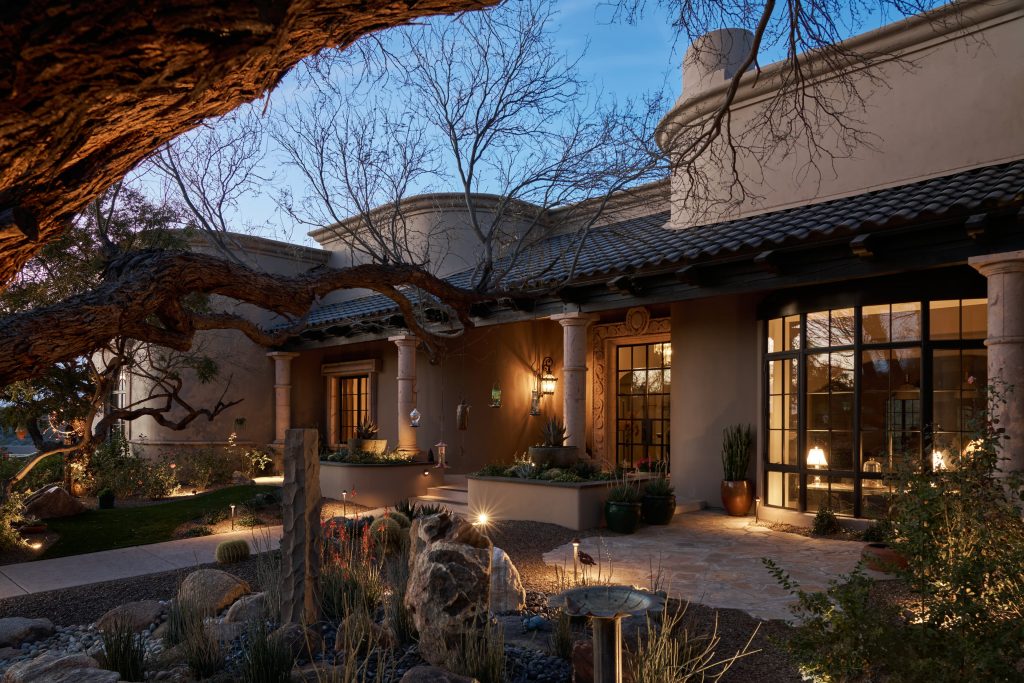
The Interior Design Process Explained for High-End Homes The interior design process for a high-end home is much more than selecting furnishings, finishes, and colors. For a custom home or significant luxury remodel, interior design is a structured process that connects the homeowner’s lifestyle with the architecture, construction, materials, lighting, furnishings, and hundreds of detailed decisions required to complete the residence. In Scottsdale, Paradise Valley, Carefree, and other Arizona luxury-home markets, projects frequently involve architects, builders, landscape professionals, specialty contractors, fabricators, and numerous vendors. An experienced luxury interior designer helps bring those moving parts together around one cohesive design direction. The earlier that coordination begins, the greater the opportunity to make important decisions intentionally rather than reacting to conditions after construction is underway. While every project is different, understanding the major phases of the high-end residential interior design process can help homeowners know what to expect and why each stage matters. When Should You Hire an Interior Designer for a Custom Home? Ideally, an interior designer should become involved early in the architectural or pre-construction process. Waiting until a home is framed—or until someone is ready to select countertops and furniture—can eliminate opportunities to improve layouts, lighting, cabinetry, ceiling details, electrical locations, plumbing relationships, and other elements that affect the finished interior. For a custom home, early collaboration allows the architect, builder, and interior designer to approach important decisions from different but complementary perspectives. The architect develops the building and its architectural language. The builder evaluates construction and execution. The interior designer considers how people will live within those spaces and how architecture, materials, lighting, furnishings, and details will ultimately work together. That collaboration can be equally important during a major remodel. Before construction begins, the design team can determine what truly needs to change, what should remain, and where investment will have the greatest effect. Phase 1: Discovery and Programming The first phase is about understanding the homeowners before designing the home. I want to know much more than which colors or styles they prefer. How do they begin their mornings? How often do they entertain? Do children or grandchildren visit regularly? Are there pets? Is the residence a primary home or a seasonal retreat? Are there existing furnishings, artwork, or collections that need to be incorporated? We also discuss priorities, project scope, timing, and budget. These conversations create the framework for later decisions and help distinguish what is essential from what is simply desirable. For me, this is one of the most important parts of the process because luxury should be personal. Two homes with similar architecture can require completely different solutions because the people living in them have different routines, preferences, and expectations. Phase 2: Space Planning and Concept Development Once the priorities are understood, we begin translating them into the physical environment. Space planning evaluates how rooms function individually and how they relate to one another. We consider circulation, furniture placement, focal points, sightlines, entertaining patterns, and connections to outdoor living areas. This is also where the broader design language begins to emerge. Rather than selecting isolated products, we establish a visual direction for the entire residence. Materials, architectural details, color, texture, and furnishings should ultimately feel related even when individual rooms have distinct personalities. In an Arizona luxury home, concept development also considers the relationship with the surrounding environment. Desert views, natural light, strong sun exposure, indoor-outdoor living, and the architecture of the residence can all influence the design direction. Phase 3: Detailed Interior Design and Material Selection After the overall concept and space planning are established, the project moves into increasingly detailed decisions. This is where the interior begins to take shape through cabinetry, stone, flooring, plumbing fixtures, hardware, lighting, wall finishes, architectural details, and other selections. A typical high-end residential project may require coordination of: Kitchen and bathroom design Custom cabinetry and architectural millwork Flooring, countertops, tile, and natural stone Plumbing fixtures and decorative hardware Decorative, architectural, and task lighting Ceiling treatments and specialty wall finishes Fireplaces and other architectural focal points Furniture layouts and custom furnishings Each selection affects other decisions. Changing the thickness of a countertop can affect cabinetry details. A decorative fixture may influence ceiling construction and electrical placement. The dimensions of a custom sofa can affect floor outlets, lighting, and circulation. That interdependence is why a luxury interior should be designed as a complete system rather than as a series of shopping decisions. Phase 4: Design Documentation and Specifications Beautiful ideas have to be communicated accurately before they can be built correctly. Documentation translates design intent into information that builders, trades, fabricators, and installers can use. Depending on the scope of the project, this can include detailed plans, elevations, cabinetry drawings, lighting locations, finish schedules, material specifications, and custom details. Documentation also gives the team a common reference point when questions arise during construction. The more customized the residence, the more important this phase becomes. A one-of-a-kind fireplace, custom vanity, specialty ceiling treatment, or integrated millwork feature cannot rely on assumptions. Proportion, materials, dimensions, relationships, and installation details need to be understood before fabrication begins. Phase 5: Procurement and Project Coordination High-end residential interiors frequently include products from many different manufacturers, artisans, showrooms, and custom fabricators. Some items may have significant production lead times, while others need to arrive at a specific stage of construction. Procurement therefore needs to be coordinated with the larger project schedule. A fixture cannot simply be beautiful; it needs to be specified, ordered, received, and available when the project requires it. Custom furnishings and specialty materials may need to be approved months before installation. This is another reason early interior design involvement is valuable. Decisions can be sequenced according to when they are actually needed rather than allowing urgent construction deadlines to dictate important design choices. Phase 6: Construction Administration and Design Oversight The designer’s work does not end when the drawings and selections are complete. Construction inevitably creates questions. Existing conditions may be different from what was anticipated, a material may change
Designing Homes for Entertaining in Scottsdale and Paradise Valley
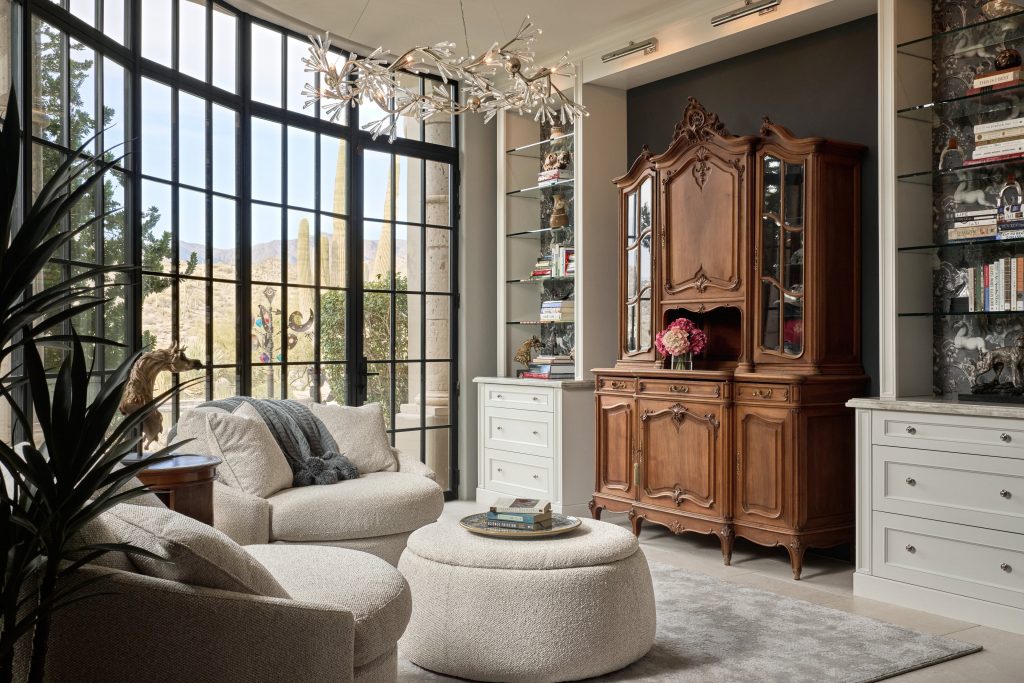
Designing Homes for Entertaining in Scottsdale and Paradise Valley Entertaining is not an occasional use of the home for many of our Scottsdale and Paradise Valley clients. It is part of how they live. A quiet dinner with friends, a family gathering around the kitchen island, cocktails at sunset, or a larger celebration that moves from the interior to the pool and patio all place different demands on a home. The difference between a home that simply has enough space for guests and one that truly supports entertaining is thoughtful planning. Layout, circulation, seating, lighting, food and beverage service, and indoor-outdoor connections all need to work together. When they do, entertaining feels natural. Guests know where to gather, conversations form easily, and the homeowners can participate in the evening rather than constantly managing it. Start with How You Actually Entertain There is no universal entertaining floor plan because people entertain differently. Before thinking about features, I want to understand what entertaining means to the homeowners. Do they regularly host intimate dinner parties for eight? Are large family gatherings more typical? Do guests gather around the kitchen while dinner is being prepared? Are catered events common? Does entertaining almost always move outdoors? Those answers influence the design much more than simply knowing the number of guests a room can accommodate. A couple who loves cooking with friends needs something different from homeowners who frequently use caterers. A family that hosts grandchildren and extended family has different priorities from clients whose gatherings are primarily evening cocktail parties. The objective is to design around the way people will actually experience the home rather than create an impressive entertaining space that looks wonderful but does not match the homeowners’ lifestyle. Good Entertaining Design Begins with Movement Guests rarely remain where they were originally seated. They arrive, greet people, move toward the kitchen or bar, step outside, return for dinner, and gather somewhere else afterward. The home needs to accommodate that movement without forcing everyone through the same narrow pathway. This becomes particularly important in large luxury homes. More square footage does not automatically create better flow. In fact, oversized rooms without clearly planned circulation can make gatherings feel less comfortable because guests are either spread too far apart or concentrated around the few areas that naturally attract activity. Several planning decisions can make an enormous difference: Provide generous circulation around kitchen islands and major seating areas Keep primary routes from cutting directly through conversation groups Create visual connections between the kitchen, great room, bar, and outdoor spaces Position doors so indoor-outdoor traffic does not interrupt food preparation Allow more than one natural destination for guests When circulation is resolved properly, people simply move through the home without thinking about the floor plan. That effortless quality is one of the hallmarks of successful luxury design. Create Destinations, Not One Enormous Gathering Space Open-concept living has changed the way luxury homes are designed, but one very large room is not necessarily the ideal entertaining environment. Successful gatherings naturally divide into smaller conversations and activities. The design should encourage that behavior. A great room might include a primary seating area near the fireplace, a smaller conversation grouping closer to the view, counter seating at the kitchen, and a nearby bar that becomes another destination. Outdoors, there may be dining, lounge seating, a fire feature, and poolside areas. Each space has its own purpose, but all of them belong to the same experience. Furniture placement is critical here. Rugs, lighting, ceiling treatments, and furniture arrangements can define individual zones without constructing walls between them. The result feels intimate enough for six people but can expand comfortably when dozens of guests are present. The Kitchen Should Support Entertaining Without Becoming the Entire Party In many Scottsdale and Paradise Valley homes, the kitchen naturally becomes one of the most active spaces during a gathering. Guests gravitate toward food, drinks, and the host. Rather than fighting that tendency, we can design for it while still protecting the kitchen’s working areas. A generously proportioned island can create a natural boundary between guests and food preparation. A separate beverage station or bar gives people a destination away from the primary cooking zone. For homeowners who entertain frequently, a back kitchen, catering kitchen, or well-planned pantry can keep preparation and cleanup from dominating the main room. This is particularly valuable during larger events. Platters, empty glasses, catering equipment, and dishes need somewhere to go. When support spaces are planned from the beginning, the visible kitchen can remain composed while the practical work of entertaining continues behind the scenes. Arizona Entertaining Should Flow Naturally Outdoors One of the great pleasures of living in Arizona is the ability to extend entertaining outside for much of the year. In Scottsdale and Paradise Valley, the outdoor environment may include mountain views, desert landscaping, a pool, covered patios, outdoor kitchens, fireplaces, and multiple seating areas. These spaces deserve the same level of design attention as the interior. The transition between inside and outside is especially important. Large sliding or pocketing glass doors can create a remarkable connection, but the opening itself is only the beginning. Flooring relationships, furniture placement, ceiling materials, lighting, and color all influence whether the two environments truly feel connected. Comfort matters as well. Shade, ceiling fans, heaters, fire features, and the orientation of seating can extend the useful season of an outdoor room. A beautiful patio that is uncomfortable at the time homeowners most want to use it is not successful design. Lighting Changes the Party After Sunset Entertaining spaces need to transition gracefully from daytime to evening. A room illuminated for everyday activities can feel completely different once lighting levels are lowered and accent lighting begins emphasizing art, architecture, and materials. Layered lighting and programmable scenes make this transition much easier. The homeowners should not need to walk around adjusting a dozen switches before guests arrive. A well-designed control system can establish an entertaining scene that adjusts several areas of the home at
Lighting as a Foundation in Design – The Janet Brooks Way
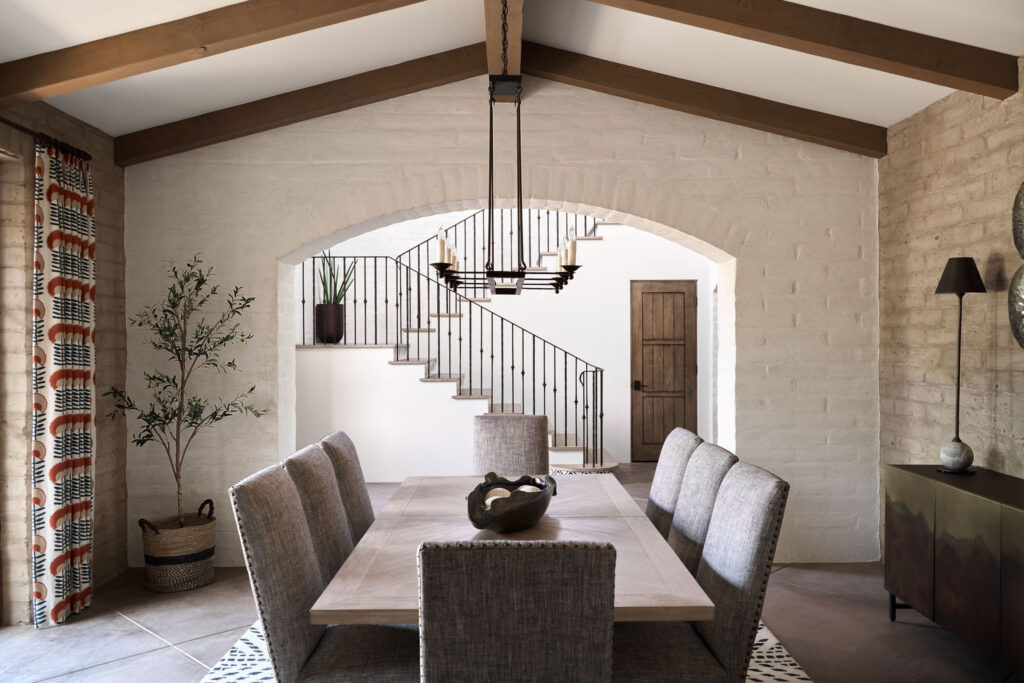
Lighting as a Foundation in Luxury Interior Design Lighting is one of the most influential elements in luxury interior design because it changes the way we experience virtually everything else in a home. Architecture, stone, wood, artwork, furnishings, color, and texture can all look dramatically different depending on how they are illuminated. Yet lighting is sometimes treated as something to address after the floor plan, ceiling design, and material selections have already been established. For luxury homes in Scottsdale, Paradise Valley, Carefree, and other Arizona communities, I believe lighting needs to be part of the design conversation much earlier. We have extraordinary natural light in the desert, but more light is not necessarily better light. The objective is to understand how natural and artificial light will work together throughout the day, then create layers that make the home comfortable, functional, and beautiful from morning through evening. Lighting Should Begin with the Architecture One of the advantages of involving an interior designer early in a custom home or major remodel is the ability to coordinate lighting with the architecture rather than working around decisions that have already been made. Ceiling heights, beams, coffers, cabinetry, art walls, fireplaces, furniture arrangements, and window locations can all influence where light belongs and what type of lighting will be most effective. This is especially important in larger luxury homes. A grid of recessed fixtures across every ceiling may technically illuminate the rooms, but illumination alone is not lighting design. We want to think about what deserves emphasis, where tasks will occur, what people will see as they move through the home, and how each room should feel at different times of day. When those questions are considered early, lighting becomes part of the architecture instead of a collection of fixtures added to it. A Luxury Home Needs Layers of Light A beautifully lit room rarely depends on one source. Instead, different types of light work together so the space can change according to the activity, time of day, and desired atmosphere. This flexibility is particularly valuable in homes where the same great room may be used for a quiet morning, an afternoon with family, and a large evening gathering. The three familiar lighting layers provide a useful starting point: Ambient lighting establishes comfortable overall illumination and allows people to move through the space easily. Task lighting provides focused light where specific activities occur, such as kitchen preparation, reading, working, grooming, or serving. Accent lighting draws attention to architecture, artwork, stone, landscaping, or other elements that deserve visual emphasis. The important part is not simply including all three. It is determining how they interact. A dramatic pendant can provide both task lighting and visual interest. Concealed architectural lighting can soften a ceiling while revealing its form. Carefully positioned accent lighting can bring a textured stone wall to life after sunset. The best results happen when these layers are designed as a composition rather than selected independently. Arizona Natural Light Is an Asset—When It Is Managed Natural light is one of the great advantages of designing homes in Arizona. Expansive windows and glass doors can connect an interior to mountain views, desert vegetation, pools, courtyards, and outdoor entertaining areas. That connection is an important part of luxury desert living. But Arizona sunlight is powerful. The orientation of a home can dramatically change the character of a room throughout the day. Morning light may be soft and inviting while western exposure can become intense later in the afternoon. Glare can make otherwise beautiful spaces uncomfortable, and direct sunlight can change how colors and materials appear. Window placement, overhangs, automated shades, glazing, furniture orientation, and material reflectivity all become part of the lighting conversation. The goal is not to eliminate Arizona sunlight. It is to shape it so we receive the beauty of natural light without allowing it to overwhelm the interior. Lighting Changes the Way Materials Are Experienced This is one of the reasons lighting and material selection should never be completely separated. A heavily textured stone wall responds very differently to light than polished stone. Wood grain becomes richer when light grazes across it from the correct direction. Metals can sparkle beautifully or create distracting reflections. Fabrics and wall colors can shift noticeably depending on both the intensity and color temperature of the light around them. When we select an important material, we are also thinking about how it will be seen. A feature wall that is striking during daylight should not disappear after sunset. Likewise, a beautiful kitchen should retain the warmth of its materials in the evening rather than becoming overly bright or visually flat. This coordination becomes especially important in open-concept luxury homes where several rooms may be visible at once. Lighting temperatures and intensities should relate to one another so the overall environment remains cohesive. Statement Fixtures Should Have a Reason to Be There Decorative lighting can provide some of the most memorable moments in an interior. A chandelier over a dining table, sculptural pendants above a kitchen island, or a dramatic fixture in a two-story entry can function almost like artwork. In the right setting, these pieces add personality and establish scale. But statement lighting works best when there is something worth stating. A fixture should relate to the proportions of the room, the architecture around it, and the furnishings below it. Selecting something dramatic simply because it is dramatic can pull attention away from the rest of the design. Scale is particularly important in the larger homes we design. A fixture that appears substantial in a showroom may look surprisingly small beneath a high ceiling or above an oversized dining table. Conversely, a fixture that is too dominant can interrupt sightlines or compete with an important view. Proper proportion allows decorative lighting to become part of the composition rather than an interruption. Controls Are Part of Good Lighting Design A luxury lighting plan should give homeowners choices. The lighting needed while preparing dinner is different from what feels appropriate while
Designing Luxury Kitchens and Bathrooms
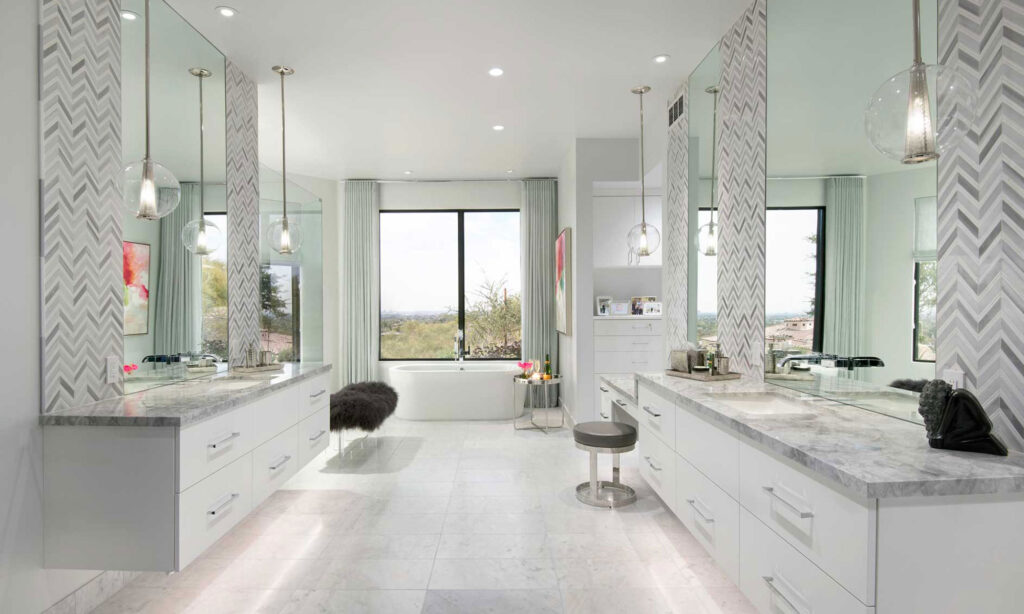
Designing Luxury Kitchens and Bathrooms That Function Beautifully Kitchens and bathrooms are among the most demanding spaces we design. They contain more cabinetry, lighting, plumbing, appliances, hardware, storage, and specialized materials than almost any other rooms in a home. At the same time, homeowners expect them to be some of the most beautiful spaces in the house. Achieving both requires much more than selecting beautiful countertops, cabinetry, and fixtures. In the luxury homes we design in Scottsdale, Paradise Valley, Carefree, and surrounding Arizona communities, I approach kitchens and bathrooms first as environments that need to work exceptionally well. Every important decision—from the location of an appliance to the height of a vanity—affects how comfortably the room functions. Once those fundamentals are right, we can layer in the materials, details, and individual character that make the space exceptional. Beautiful Design Begins with How the Room Will Be Used Before designing a kitchen, I want to understand how the homeowners actually use it. Do they cook every evening or primarily entertain? Is one person usually preparing meals, or does the entire family gather in the kitchen? Are caterers frequently involved? Is the kitchen expected to disappear visually into an open great room, or should it be an architectural centerpiece? The answers affect everything from appliance placement and island dimensions to storage and circulation. A kitchen designed for frequent entertaining may benefit from a separate beverage area or secondary prep zone so guests are not constantly moving through the primary cooking space. A serious cook may place entirely different demands on refrigeration, ventilation, counter space, and storage. Bathrooms deserve the same level of analysis. Morning routines, privacy preferences, storage needs, bathing habits, and whether two people regularly use the room simultaneously all influence the plan. Luxury begins when the space feels as though it was designed specifically for the people living there. Layout Comes Before Finishes A beautiful slab of stone cannot correct a poorly planned kitchen, and an extraordinary freestanding tub cannot solve an awkward bathroom. Layout needs to be resolved before the decorative elements begin competing for attention. In kitchens, I think beyond the traditional work triangle and look at the complete sequence of activities. Where do groceries enter the kitchen? Where are they stored? Where does food preparation occur? Can someone make coffee without crossing through the primary cooking area? What happens when several people are using the room at once? In bathrooms, we consider sightlines, privacy, clearances, storage, and the relationship between wet and dry areas. Some of the fundamentals we evaluate include: Comfortable circulation around islands, vanities, and major fixtures Storage located where items are actually used Separation between primary work areas and guest circulation Clear relationships between showers, tubs, vanities, and dressing areas Door swings and cabinetry that do not interfere with one another These details may not be the first things someone notices in photographs, but they are often what determines whether a room remains enjoyable years after it is completed. Luxury Kitchen Storage Should Be Almost Invisible Storage is one of the areas where thoughtful design has an enormous impact. A luxury kitchen should accommodate the realities of everyday life without allowing those necessities to overwhelm the visual composition. Small appliances, cookware, serving pieces, pantry goods, charging devices, and recycling all need a logical home. Custom cabinetry gives us the opportunity to design storage around the client rather than asking the client to adapt to standard cabinet configurations. Deep drawers can make cookware more accessible. Appliance garages can keep frequently used equipment available without leaving it on display. Specialized pantry storage, integrated refrigeration, and carefully planned interior fittings can dramatically simplify the room. The objective is not storage for the sake of storage. It is creating a kitchen where the things homeowners use are located exactly where they naturally need them. Bathrooms Should Feel Restful Without Sacrificing Performance A primary bathroom often serves a very different emotional purpose from the kitchen. While kitchens tend to be social and active, bathrooms should feel private, calm, and restorative. That experience is created through proportion, material, lighting, and organization rather than simply filling the room with expensive fixtures. A large shower, for example, still needs to feel comfortable in scale. Vanities need appropriate storage and useful counter space. Mirrors and lighting need to work together. Towels should be convenient to the shower or tub, and electrical needs should be anticipated rather than treated as an afterthought. In larger Paradise Valley and Scottsdale homes, we may also be coordinating the primary bathroom with dressing rooms, closets, exercise areas, or private outdoor spaces. Thinking about those relationships as a complete suite creates a much more sophisticated result than designing each room independently. Materials Need to Be Beautiful Enough for Luxury and Durable Enough for Real Life Kitchens and bathrooms are demanding environments. Water, steam, heat, spills, cleaning products, and constant use place very different demands on materials than a formal living room does. That makes performance an important part of every selection. Natural stone can be extraordinary in both kitchens and bathrooms, but different stones have different characteristics. The finish, porosity, maintenance requirements, and intended location need to be considered. Cabinet finishes should be selected for the way the room will be used. Flooring needs to feel appropriate underfoot while performing well around moisture and heavy traffic. In Arizona, we also think about strong natural light. Sunlight can reveal texture beautifully, but it can also affect color, create glare, and expose every reflective surface. Materials need to be evaluated as part of the actual environment rather than simply because they looked beautiful in a showroom. Lighting Has to Work Harder in Kitchens and Bathrooms Lighting becomes especially important in these rooms because it needs to accomplish several jobs at once. In a kitchen, we need excellent illumination at counters and work areas while still creating an inviting atmosphere when cooking is finished and the room becomes part of the evening entertaining space. Bathrooms require equally thoughtful layering. Vanity lighting
Materials That Elevate Arizona Interiors
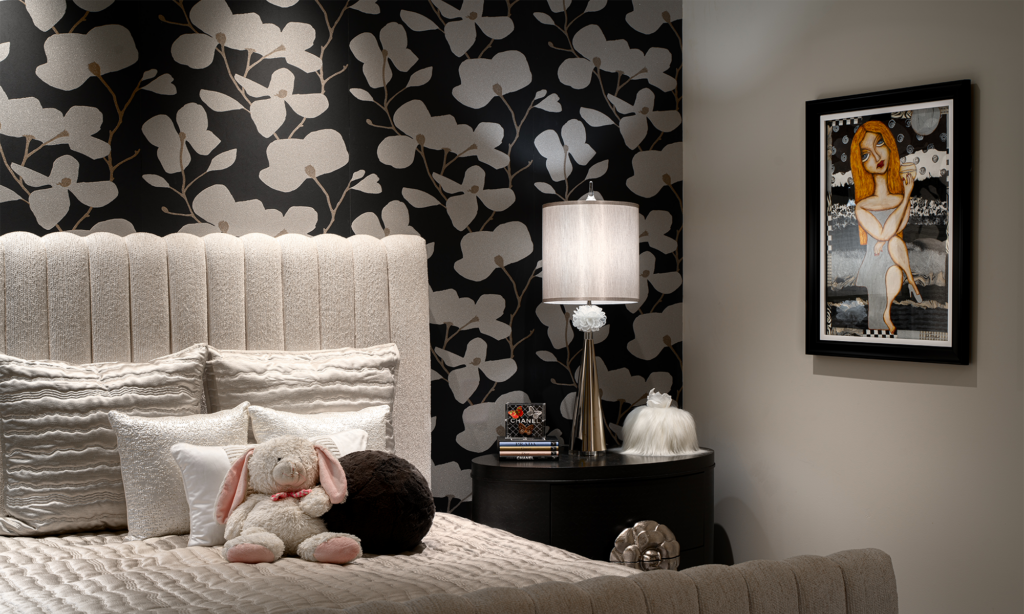
Materials That Elevate Luxury Interiors in Arizona Homes Materials are one of the most powerful elements in luxury interior design. They establish the character of a home, influence how light moves through a space, create warmth and texture, and ultimately determine how beautifully an interior ages. In Arizona, material selection carries an additional responsibility. Homes in Scottsdale, Paradise Valley, Carefree, and surrounding desert communities live with intense natural light, dramatic temperature changes, dust, and a strong visual relationship with the landscape. For me, selecting materials is never simply about finding a beautiful stone, an interesting wood, or the newest surface being introduced to the market. The goal is to create a thoughtful material palette that feels appropriate to the architecture, reflects the personality of the homeowners, and performs beautifully for the way they actually live. When those elements come together, materials become much more than finishes. They become part of the architecture and part of the experience of the home. Luxury Begins with Quality, Not Quantity One of the misconceptions about luxury interiors is that more materials automatically create a more interesting home. I often believe the opposite is true. Some of the most sophisticated interiors use a relatively disciplined palette of exceptional materials and then repeat or reinterpret them throughout the home. That continuity creates a sense of calm and allows important architectural moments to have greater impact. A beautiful natural stone might begin at an entry wall and appear again at a fireplace or bar. A warm wood used for cabinetry can reappear in ceiling details or custom millwork. Metal finishes can subtly connect lighting, hardware, and furnishings. These repetitions do not make a home predictable. When handled thoughtfully, they create a visual language that carries from one room to another. Natural Stone Brings Character That Cannot Be Manufactured Natural stone remains one of my favorite materials for luxury homes because every slab has its own movement, coloration, and personality. Marble, quartzite, limestone, travertine, and other natural stones can become extraordinary focal points when the right material is matched to the right application. In a large Scottsdale or Paradise Valley residence, stone can provide the visual weight needed to balance expansive rooms, high ceilings, and dramatic architecture. But selecting stone from a small sample is rarely enough. Scale matters. Veining that looks subtle in a sample may become dramatic across a large kitchen island or fireplace wall. The relationship between slabs, the direction of the pattern, edge details, grout decisions, and lighting can all change the finished result. Those details are why material selection needs to be considered as part of the complete design rather than as an isolated purchasing decision. Wood Adds Warmth to Desert Architecture Arizona luxury homes frequently feature stone, glass, steel, and large expanses of windows. Wood provides an important counterpoint to those harder materials. It introduces warmth and softness while helping contemporary interiors feel inviting rather than austere. Depending on the architecture, wood can be rustic and textural, sleek and contemporary, or quietly transitional. We might incorporate wood through cabinetry, flooring, wall treatments, ceiling details, doors, or custom furnishings. The species, grain, stain, sheen, and method of installation all influence how the material reads in the room. Just as important, wood products must be selected and installed with Arizona’s dry climate and environmental conditions in mind. Beauty matters, but appropriate performance matters just as much. Layering Materials Creates Depth A sophisticated room rarely depends on one dramatic material. The richness comes from how different surfaces interact. A honed stone can feel even more beautiful beside warm wood. A subtle metal detail can provide definition without demanding attention. Textured fabrics, leather, plaster, glass, and handcrafted finishes can add another layer of interest. When developing a material palette for a luxury Arizona home, some of the qualities I consider include: How the material responds to Arizona’s strong natural light Whether its texture complements the surrounding architecture How it will wear and develop character over time Whether maintenance requirements fit the homeowner’s lifestyle How naturally it relates to adjoining rooms and outdoor spaces The goal is not to check every material category off a list. It is to determine which combination creates the right balance for that particular home. Arizona Light Changes the Way Materials Look Natural light deserves special attention in Scottsdale and Paradise Valley interiors because it can dramatically alter color and texture throughout the day. A stone that appears soft and neutral in a showroom may look significantly warmer beside a west-facing window. Highly polished materials can create unwanted glare, while textured surfaces may become more dramatic as sunlight moves across them. This is one reason I prefer to evaluate important finishes within the context of the actual project whenever possible. Samples should be viewed near the surfaces and light conditions where they will ultimately live. Artificial lighting also matters. Color temperature, fixture placement, and accent lighting can reveal texture beautifully—or flatten it completely. Materials and lighting should therefore be developed together rather than treated as separate design decisions. Indoor-Outdoor Continuity Matters in Arizona For many of our Scottsdale, Paradise Valley, and Carefree clients, outdoor living is an extension of the interior rather than a separate experience. Large glass doors disappear into walls, patios become entertaining rooms, and views of desert mountains and native landscaping become part of the home’s visual composition. Materials can help make that transition feel effortless. That does not necessarily mean using identical products inside and outside. Exterior conditions often require different performance characteristics. Instead, we can create continuity through related colors, textures, proportions, and visual weight. An interior limestone, for example, might relate beautifully to an exterior stone with greater weather resistance. The materials are different, but the design language remains connected. Choosing Materials for the Way You Live A material can be exquisite and still be wrong for a particular client. A family that entertains frequently may have very different priorities from someone designing a second home used only part of the year. Pets, grandchildren, cooking
Remodeling vs Redesigning Luxury Homes
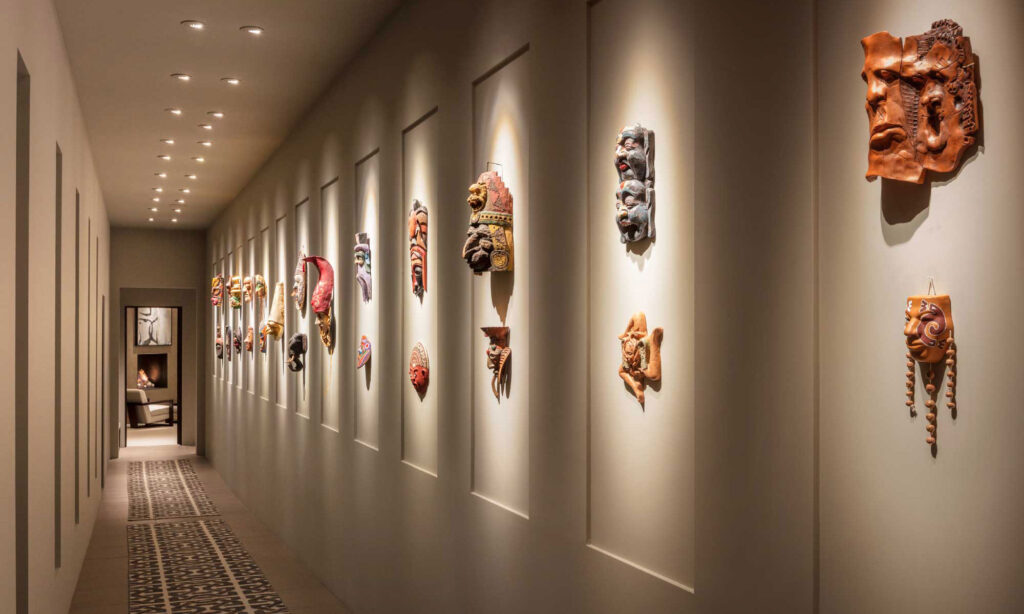
Remodeling vs. Redesigning: What’s Right for Your Luxury Home? Understanding whether to remodel or redesign is one of the most important decisions homeowners face when improving a luxury home. While the terms are often used interchangeably, they represent fundamentally different approaches—and choosing the wrong one can lead to unnecessary cost, disruption, and frustration. In high-end markets like Scottsdale and Paradise Valley, homes are often structurally sound but functionally outdated. The key is identifying whether the issue lies in the structure itself or in how the space has been designed and finished. Making that distinction early allows for a more efficient, targeted approach. What Remodeling Actually Involves Remodeling focuses on structural change. This includes altering the physical layout of the home to improve how spaces function and connect. Walls may be removed or added, rooms expanded, or entire sections of the home reconfigured to better support the homeowner’s lifestyle. This approach is typically necessary when the existing layout creates limitations—such as poor flow, underutilized space, or separation between key living areas that should be connected. Reconfiguring floor plans to improve circulation Expanding kitchens, living areas, or primary suites Altering ceiling heights or architectural elements Improving indoor-outdoor transitions Remodeling is more involved, but when the structure itself is the problem, it is often the only way to achieve a meaningful improvement. What Redesigning Focuses On Redesigning works within the existing structure, refining how the home looks and functions without making major structural changes. This includes updating materials, improving lighting, and rethinking how spaces are used through layout and design adjustments. In many luxury homes, the underlying architecture is strong, but the finishes, lighting, or spatial definition feel dated or inconsistent. Redesigning addresses these issues without the complexity of construction. Strategic changes in materials, color palette, and furniture layout can significantly improve cohesion and usability without altering the footprint of the home. How to Determine the Right Approach The decision between remodeling and redesigning should be based on the root cause of the problem, not the desired outcome alone. Many homeowners assume they need a remodel when a redesign would be more efficient—or attempt a redesign when structural issues remain unresolved. Clarifying the primary issue is essential: If the layout restricts movement or functionality, remodeling is likely required If the home feels visually inconsistent or outdated, redesigning may be sufficient If both issues exist, a combined approach may deliver the best result When a Hybrid Approach Makes Sense In many cases, the most effective solution is a combination of both approaches. Targeted structural changes can resolve key functional issues, while redesigning can refine the overall aesthetic and cohesion of the home. This approach allows homeowners to focus investment where it matters most, avoiding unnecessary construction while still achieving a meaningful transformation. Making the Right Decision Early The earlier this decision is made, the more efficient the project becomes. Remodeling requires coordination with architects and contractors, while redesigning can often be implemented with less disruption. Aligning the approach with the actual need prevents wasted time, budget overruns, and design compromises. Ultimately, the goal is not simply to change the home—it is to improve how it functions and feels. Choosing the right path ensures that every decision contributes to a more cohesive, livable, and refined result. Contact janet@janetbrooksdesign.com https://janetbrooksdesign.com (480) 776-2700
Designing for Flow in Large Luxury Homes
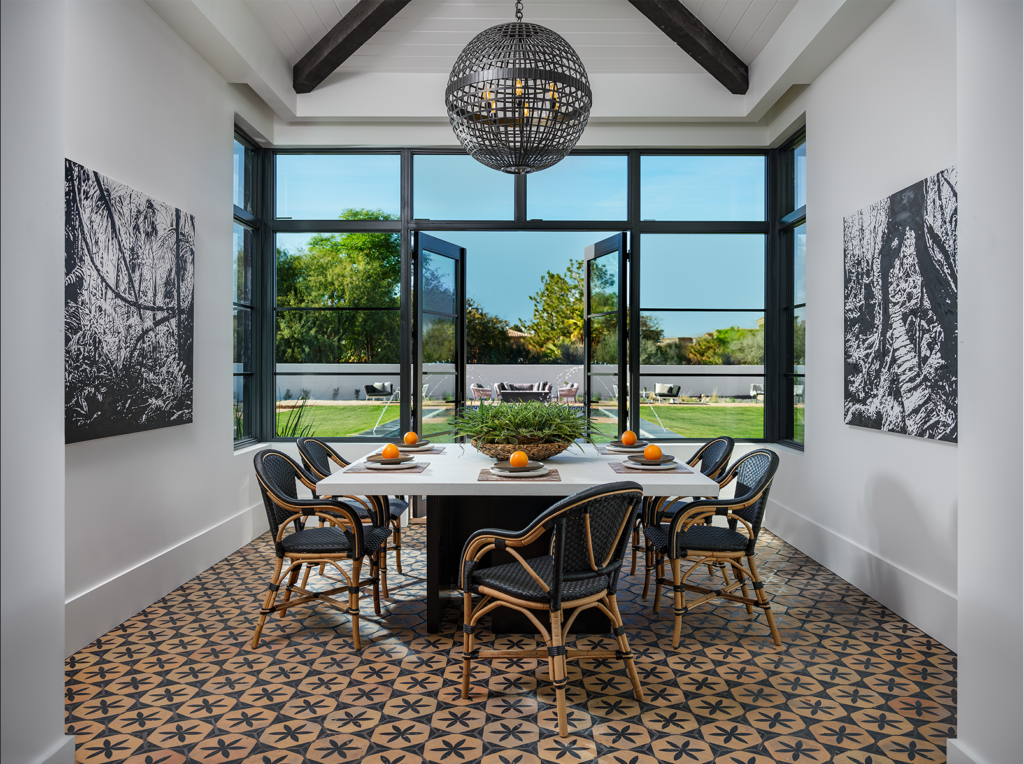
Designing for Flow in Large Luxury Homes Luxury homes offer extraordinary opportunities for personalization, entertaining, and everyday living. Expansive floor plans, soaring ceilings, and generous living spaces create an incredible canvas for beautiful design—but they also require a higher level of planning. Without a cohesive design strategy, even the most impressive home can feel disconnected, with rooms that compete for attention instead of working together. One of the defining characteristics of exceptional interior design is flow. It’s the invisible framework that allows a home to feel effortless, inviting, and functional while maintaining the elegance expected in a luxury residence. When flow is thoughtfully considered from the very beginning, every room contributes to a unified experience that feels as beautiful as it looks. Why Flow Matters in Interior Design Flow is much more than simply moving from one room to another. It influences how your family lives, how guests experience your home, and how architecture, furnishings, lighting, and finishes work together to create harmony. A well-designed home should naturally guide you through each space without feeling forced or repetitive. The eye should move comfortably from one focal point to the next, while each room maintains its own purpose and personality. Great flow creates a sense of calm because nothing feels out of place. Professional interior designers evaluate several important elements when planning luxury homes, including: Clear sightlines between primary living spaces Comfortable circulation paths that encourage movement Natural transitions between public and private areas Consistent architectural details and proportions Balanced focal points that complement rather than compete Seamless connections between indoor and outdoor living When these design principles work together, the home becomes intuitive to live in rather than simply impressive to admire. Common Design Challenges in Large Homes More square footage doesn’t automatically create a better home. In fact, larger residences often expose design mistakes that would go unnoticed in a smaller floor plan. One of the most common mistakes is treating every room as a separate project. While each space should have its own function and character, it should also contribute to a larger design story. Abrupt changes in finishes, flooring, color palettes, or architectural styles can interrupt the visual rhythm of the home and make it feel fragmented. Other common challenges include: Rooms that feel isolated from one another Furniture layouts that interrupt natural traffic patterns Oversized furnishings that overwhelm the space Competing architectural focal points Inconsistent lighting temperatures and fixture styles Excessive segmentation that breaks visual continuity Addressing these issues early in the design process creates a home that feels cohesive, welcoming, and timeless. Designing with Cohesion in Mind Every luxury home should tell a single story. That doesn’t mean every room should look identical. Instead, there should be intentional connections that tie the home together from the moment someone enters the front door. Flooring transitions should feel natural. Color palettes should evolve rather than abruptly change. Architectural details, custom millwork, cabinetry, and carefully selected materials should reinforce one another throughout the home. Texture is equally important. Natural stone, warm woods, handcrafted tile, luxurious textiles, and layered finishes add depth without overwhelming the architecture. When repeated thoughtfully throughout the home, these materials create continuity while allowing every room to maintain its own unique identity. Professional interior design isn’t about making every room match—it’s about making every room belong. Designing for the Arizona Lifestyle Luxury homes throughout Scottsdale, Paradise Valley, Carefree, and Cave Creek have a distinct advantage: they are surrounded by one of the most beautiful landscapes in the country. The Sonoran Desert offers dramatic mountain views, remarkable natural textures, and more than 300 days of sunshine each year. Rather than separating the interior from the exterior, thoughtful design embraces these surroundings and allows them to become part of the living experience. Large windows, disappearing glass walls, covered patios, interior courtyards, and outdoor living rooms blur the line between inside and outside. These transitions make homes feel larger while creating opportunities to enjoy Arizona’s exceptional climate throughout much of the year. Lighting also plays a critical role in establishing flow. Natural daylight should be complemented with layered architectural lighting, decorative fixtures, and accent illumination that guide the eye through the home while highlighting artwork, architectural details, and carefully curated materials. Creating a Home That Lives Beautifully The most memorable luxury homes are not defined by their square footage—they’re defined by how they make people feel. When movement is effortless, every room has a purpose, and each design decision supports the next, the result is a home that feels welcoming, sophisticated, and uniquely personal. Thoughtful flow enhances everyday living, improves entertaining, and allows the architecture to reach its full potential without sacrificing comfort. At Janet Brooks Design, every project begins with understanding how clients want to live before selecting furnishings, finishes, or decorative details. This collaborative approach creates interiors that are elegant, functional, and designed to remain beautiful for years to come. Create a Home That Lives Beautifully A truly exceptional home is more than a collection of beautiful rooms. It is a thoughtfully designed environment where every space feels connected, every detail has purpose, and every day is enhanced by exceptional design. Whether you are building a custom luxury home, renovating an existing residence, or reimagining individual spaces, Janet Brooks Design creates interiors that reflect your lifestyle while embracing timeless elegance and livable luxury. Serving clients throughout Scottsdale, Paradise Valley, Carefree, Cave Creek, and the greater Phoenix area, Janet Brooks Design delivers personalized interior design solutions that are both sophisticated and enduring. Janet Brooks DesignEmail: janet@janetbrooksdesign.comPhone: (480) 776-2700Website: https://janetbrooksdesign.com
What Sets a High-End Interior Designer Apart in Scottsdale
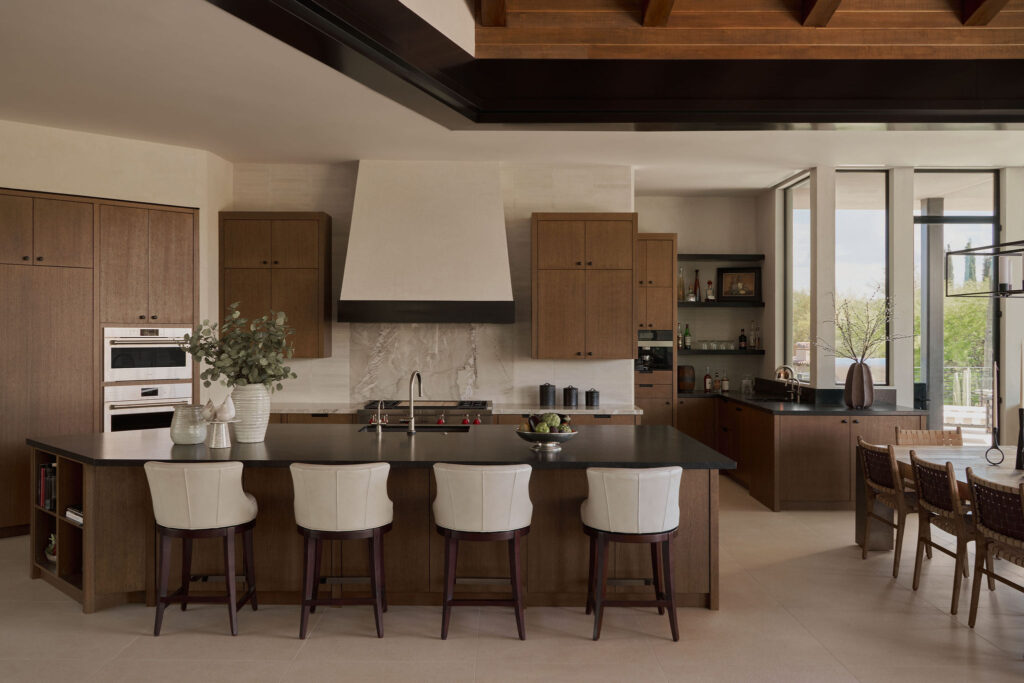
What Sets a High-End Interior Designer Apart in Scottsdale In Scottsdale and Paradise Valley, the distinction between a standard interior designer and a high-end professional is defined by process, involvement, and execution—not style. High-end designers influence projects from the beginning, shaping how the home functions rather than reacting to completed structures. Early Involvement Working alongside architects and builders allows designers to refine layouts and ensure design alignment before construction begins. Managing Complexity Coordinating multiple contractors Aligning design decisions across trades Maintaining consistency throughout the project Material Expertise High-end designers understand how materials perform over time, particularly in Arizona’s climate. Execution and Oversight Concept alone is not enough. Execution requires continuous oversight to ensure that the design vision is maintained throughout construction. Key Differentiators Early integration with architecture Strong project coordination Material performance knowledge End-to-end oversight This level of control is what allows high-end designers to deliver cohesive, refined results. Contact janet@janetbrooksdesign.com https://janetbrooksdesign.com (480) 776-2700
Common Mistakes Homeowners Make in Luxury Home Design
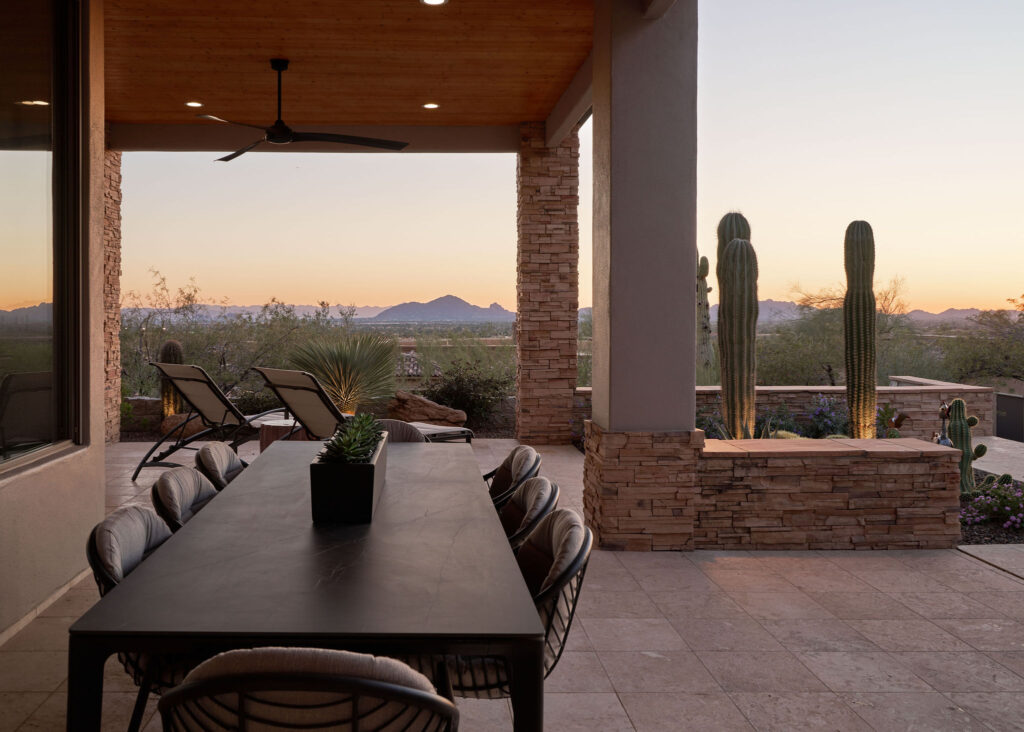
Common Mistakes Homeowners Make in Luxury Home Design Luxury home design presents a unique opportunity to create highly personalized, functional, and visually refined environments. However, it also introduces a level of complexity that is often underestimated. In Scottsdale, Paradise Valley, and other high-end Arizona markets, the most common design issues are not immediately visible—they tend to surface over time as the home is lived in. These mistakes are rarely the result of poor taste. More often, they stem from timing, lack of coordination, or decisions made in isolation rather than as part of a cohesive plan. Understanding where these breakdowns occur is the first step in avoiding them. Delayed Design Decisions One of the most frequent problems in luxury home projects is bringing interior design into the process too late. When layout, lighting, and material decisions are addressed after construction has already begun, flexibility is reduced and compromises become inevitable. At that stage, structural elements are already fixed. Ceiling heights, window placements, and spatial relationships may not support the intended design, forcing adjustments that weaken the overall result. Early involvement allows design to shape the home, rather than react to it. Overemphasis on Individual Features Another common mistake is focusing too heavily on individual statement elements without considering how they fit into the larger environment. While feature walls, dramatic lighting, or bold materials can be effective, they must be integrated into a broader design language. Homes designed this way often feel fragmented. Each room may appear impressive on its own, but the transition between spaces lacks consistency. High-end design is defined by cohesion—where every element supports the same vision. Ignoring Flow and Functional Layout Flow is one of the most overlooked aspects of residential design, particularly in larger homes. Without intentional planning, spaces can feel disconnected or difficult to navigate. Circulation paths that interrupt natural movement Rooms that feel isolated rather than connected Areas that are rarely used due to poor positioning These issues are not always obvious during construction, but they become clear once the home is occupied. A well-designed layout should feel intuitive, allowing movement between spaces without effort or confusion. Environmental Oversights in Arizona Homes Arizona’s climate introduces challenges that must be addressed early in the design process. Sunlight, heat, and environmental exposure all affect how a home performs and how materials age over time. Ignoring these factors can lead to glare, overheating, fading finishes, and increased maintenance requirements. Proper orientation, material selection, and shading strategies are essential to maintaining comfort and long-term performance. Designing Without a Cohesive Strategy Many of these issues ultimately stem from a lack of integration. When architecture, interior design, and construction are not aligned from the beginning, decisions are made in isolation. This leads to inconsistencies that are difficult to correct later. A cohesive strategy ensures that layout, materials, lighting, and function all support the same outcome. It also allows for better coordination between the professionals involved in the project. A Better Approach to Luxury Home Design Avoiding these mistakes does not require more complexity—it requires better planning. When design is approached as a complete system, the home performs more effectively and feels more refined over time. The most successful luxury homes are not defined by individual features, but by how well every element works together. That alignment is what creates a space that is both functional and enduring. Contact janet@janetbrooksdesign.com https://janetbrooksdesign.com (480) 776-2700
Designing Second Homes in Sedona and Carefree
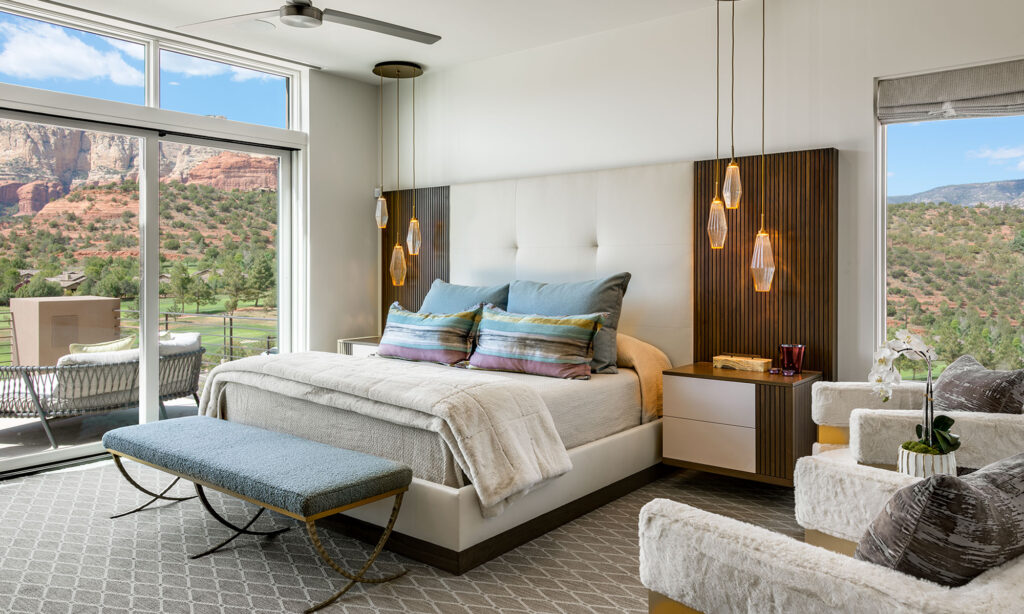
Designing Second Homes in Sedona, Carefree, and Scottsdale Second homes in Arizona serve a fundamentally different purpose than primary residences. In Sedona, Carefree, and Scottsdale, these properties are designed for retreat, relaxation, and entertaining—not daily routine. That shift requires a different design strategy, one focused on simplicity, durability, and immediate usability. Unlike a primary home, a second home must feel functional the moment you arrive. There is no adjustment period. The design must anticipate needs and eliminate friction. Designing for Intermittent Use Because second homes are not occupied full-time, materials and layouts must accommodate periods of inactivity. Surfaces should resist dust accumulation and wear, while systems should function seamlessly without constant oversight. Low-maintenance materials reduce upkeep Durable finishes withstand environmental exposure Simplified layouts improve usability Smart storage reduces visual clutter Location-Driven Design Decisions Each Arizona location introduces different priorities. Sedona homes often emphasize views and integration with the natural landscape, while Scottsdale properties may prioritize entertaining and indoor-outdoor living. Design should reflect these differences rather than apply a generic approach. Creating Immediate Comfort A second home should feel comfortable and intuitive from the moment it is used. This includes thoughtful furniture selection, flexible layouts, and a balance between openness and privacy. Key Takeaways Prioritize durability and low maintenance Design for immediate usability Align design with location-specific needs Keep layouts simple and adaptable A well-designed second home removes complexity and allows the homeowner to focus on experience rather than upkeep. Contact janet@janetbrooksdesign.com https://janetbrooksdesign.com (480) 776-2700