

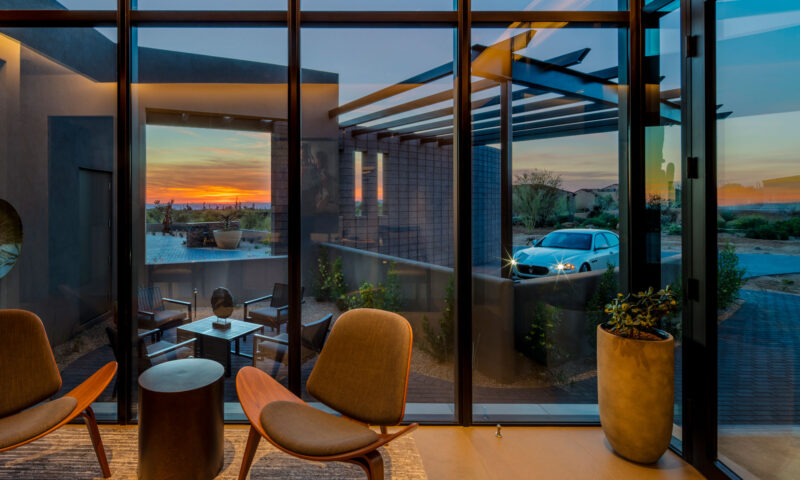
Designing a Home Around Your Lifestyle, Not Just Aesthetic Trends
Design trends can influence direction, but they should never define a home. In Scottsdale, Paradise Valley, and Sedona, homes are long-term investments. Designing around trends often leads to spaces that feel dated or disconnected within a few years.
A lifestyle-driven approach produces a very different result—one where the home supports daily routines, entertaining, and long-term use without constant adjustment.
Why Trend-Based Design Falls Short
Trends focus on visual impact. They rarely account for how a space functions. Over time, this creates friction—rooms that look impressive but are not used effectively.
High-end design requires a shift from appearance-first thinking to performance-first planning.
Understanding How the Home Is Used
Before selecting materials or finishes, the design process should define how the homeowner lives. This includes movement, habits, and how different areas of the home interact.
- Daily routines and movement patterns
- Frequency and style of entertaining
- Balance between private and shared spaces
- Long-term adaptability
Material Decisions Based on Use
Material selection should reflect lifestyle, not just aesthetics. In Arizona, this includes durability under heat and sunlight, as well as ease of maintenance.
Surfaces that look refined but fail over time create unnecessary cost and disruption.
Designing for Flexibility
Homes should adapt as needs evolve. Flexible spaces—such as multi-use rooms or adaptable layouts—allow the home to remain functional without requiring major redesign.
Key Advantages of Lifestyle-Based Design
- Improved long-term usability
- Reduced need for future redesign
- Greater comfort and efficiency
- Better alignment between design and daily life
A well-designed home should feel natural to live in. When lifestyle drives design, the result is a space that remains relevant, functional, and comfortable over time.
Contact
janet@janetbrooksdesign.com
https://janetbrooksdesign.com
(480) 776-2700