

Common Mistakes Homeowners Make in Luxury Home Design
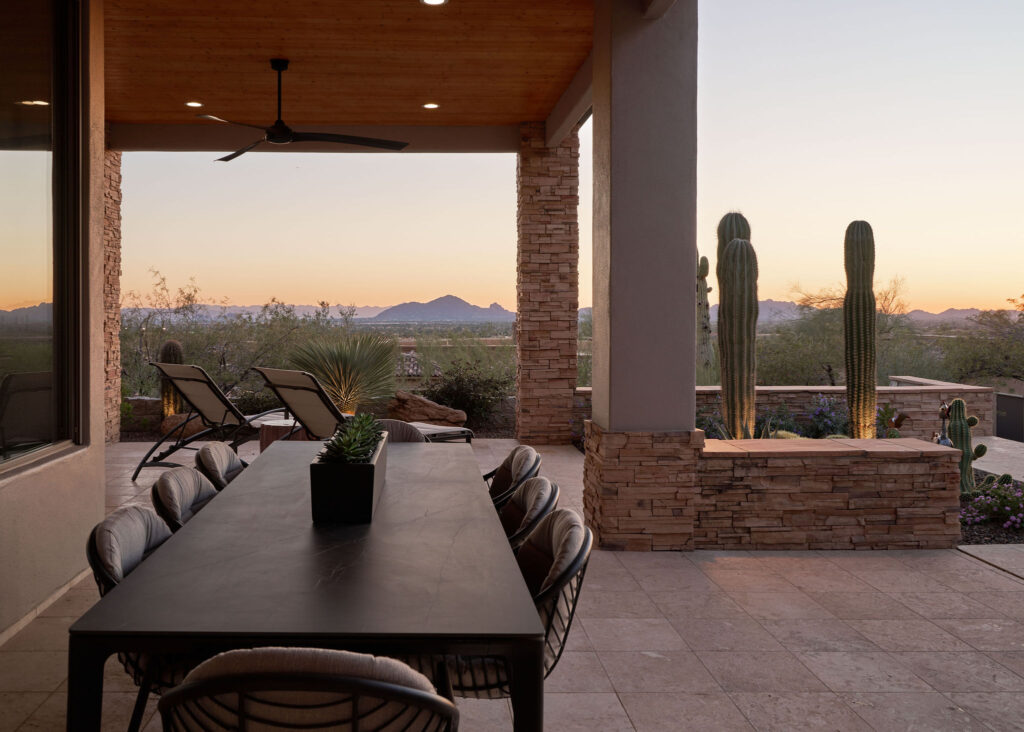
Common Mistakes Homeowners Make in Luxury Home Design Luxury home design presents a unique opportunity to create highly personalized, functional, and visually refined environments. However, it also introduces a level of complexity that is often underestimated. In Scottsdale, Paradise Valley, and other high-end Arizona markets, the most common design issues are not immediately visible—they tend to surface over time as the home is lived in. These mistakes are rarely the result of poor taste. More often, they stem from timing, lack of coordination, or decisions made in isolation rather than as part of a cohesive plan. Understanding where these breakdowns occur is the first step in avoiding them. Delayed Design Decisions One of the most frequent problems in luxury home projects is bringing interior design into the process too late. When layout, lighting, and material decisions are addressed after construction has already begun, flexibility is reduced and compromises become inevitable. At that stage, structural elements are already fixed. Ceiling heights, window placements, and spatial relationships may not support the intended design, forcing adjustments that weaken the overall result. Early involvement allows design to shape the home, rather than react to it. Overemphasis on Individual Features Another common mistake is focusing too heavily on individual statement elements without considering how they fit into the larger environment. While feature walls, dramatic lighting, or bold materials can be effective, they must be integrated into a broader design language. Homes designed this way often feel fragmented. Each room may appear impressive on its own, but the transition between spaces lacks consistency. High-end design is defined by cohesion—where every element supports the same vision. Ignoring Flow and Functional Layout Flow is one of the most overlooked aspects of residential design, particularly in larger homes. Without intentional planning, spaces can feel disconnected or difficult to navigate. Circulation paths that interrupt natural movement Rooms that feel isolated rather than connected Areas that are rarely used due to poor positioning These issues are not always obvious during construction, but they become clear once the home is occupied. A well-designed layout should feel intuitive, allowing movement between spaces without effort or confusion. Environmental Oversights in Arizona Homes Arizona’s climate introduces challenges that must be addressed early in the design process. Sunlight, heat, and environmental exposure all affect how a home performs and how materials age over time. Ignoring these factors can lead to glare, overheating, fading finishes, and increased maintenance requirements. Proper orientation, material selection, and shading strategies are essential to maintaining comfort and long-term performance. Designing Without a Cohesive Strategy Many of these issues ultimately stem from a lack of integration. When architecture, interior design, and construction are not aligned from the beginning, decisions are made in isolation. This leads to inconsistencies that are difficult to correct later. A cohesive strategy ensures that layout, materials, lighting, and function all support the same outcome. It also allows for better coordination between the professionals involved in the project. A Better Approach to Luxury Home Design Avoiding these mistakes does not require more complexity—it requires better planning. When design is approached as a complete system, the home performs more effectively and feels more refined over time. The most successful luxury homes are not defined by individual features, but by how well every element works together. That alignment is what creates a space that is both functional and enduring. Contact janet@janetbrooksdesign.com https://janetbrooksdesign.com (480) 776-2700
Designing Second Homes in Sedona and Carefree
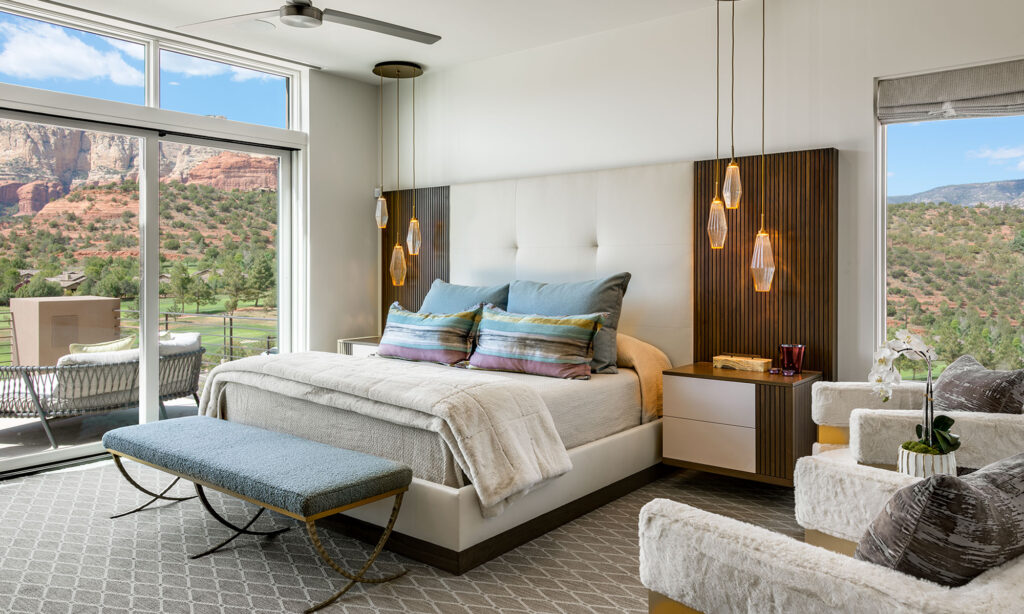
Designing Second Homes in Sedona, Carefree, and Scottsdale Second homes in Arizona serve a fundamentally different purpose than primary residences. In Sedona, Carefree, and Scottsdale, these properties are designed for retreat, relaxation, and entertaining—not daily routine. That shift requires a different design strategy, one focused on simplicity, durability, and immediate usability. Unlike a primary home, a second home must feel functional the moment you arrive. There is no adjustment period. The design must anticipate needs and eliminate friction. Designing for Intermittent Use Because second homes are not occupied full-time, materials and layouts must accommodate periods of inactivity. Surfaces should resist dust accumulation and wear, while systems should function seamlessly without constant oversight. Low-maintenance materials reduce upkeep Durable finishes withstand environmental exposure Simplified layouts improve usability Smart storage reduces visual clutter Location-Driven Design Decisions Each Arizona location introduces different priorities. Sedona homes often emphasize views and integration with the natural landscape, while Scottsdale properties may prioritize entertaining and indoor-outdoor living. Design should reflect these differences rather than apply a generic approach. Creating Immediate Comfort A second home should feel comfortable and intuitive from the moment it is used. This includes thoughtful furniture selection, flexible layouts, and a balance between openness and privacy. Key Takeaways Prioritize durability and low maintenance Design for immediate usability Align design with location-specific needs Keep layouts simple and adaptable A well-designed second home removes complexity and allows the homeowner to focus on experience rather than upkeep. Contact janet@janetbrooksdesign.com https://janetbrooksdesign.com (480) 776-2700
Why Timeless Design Matters More Than Trends in High-End Homes
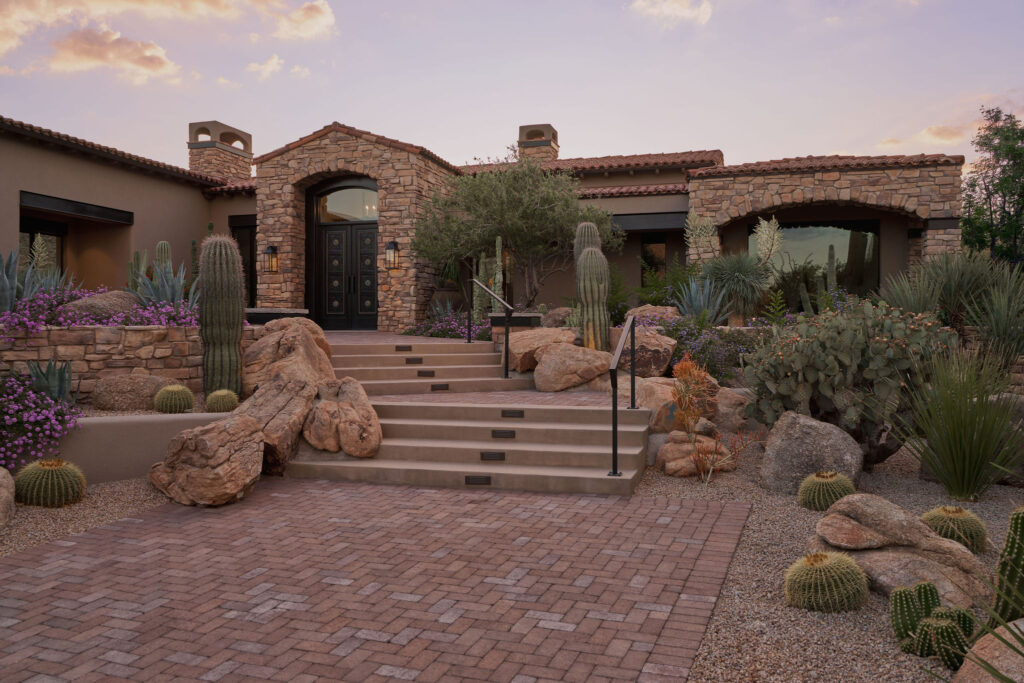
Why Timeless Design Matters More Than Trends in High-End Homes In luxury home design, trends can create immediate impact—but they rarely deliver long-term value. In markets like Scottsdale and Paradise Valley, where homes are built to last, timeless design is the more effective approach. Timeless interiors are not static—they are adaptable, consistent, and built on principles that remain relevant over time. The Limitations of Trend-Driven Design Trend-based interiors often require updates within a few years. This creates additional cost and disrupts the continuity of the home. Core Elements of Timeless Design Balanced proportions and scale High-quality, durable materials Neutral, adaptable color palettes Layered textures for depth Long-Term Value Timeless design supports both visual longevity and functional performance. Homes remain relevant without requiring frequent redesign. Arizona Environmental Factors Durability is critical in Arizona. Materials must withstand heat and sun exposure while maintaining their integrity. Why It Matters Reduces long-term maintenance and updates Maintains property value Creates a more cohesive living environment A timeless home is not defined by what is added—it is defined by what endures. Contact janet@janetbrooksdesign.com https://janetbrooksdesign.com (480) 776-2700
Luxe Magazine “Tradition with a Twist” – Mar / Apr 2026
Phoenix Home + Garden December 2025 / January 2026 Inviting Interiors A Daughter Inherited Her Father’s Rare Art Collection—Now It Defines Her Scottsdale Home ___________ A father’s bold art collection finds new life in a desert home that’s equal parts gallery and sanctuary. By Lauren Tyda | Photography by Austin LaRue Baker When an Ohio couple relocated to Scottsdale, they brought more than furniture and memories — they arrived with an extraordinary trove of modern art inherited from the wife’s late father, a celebrated plastic surgeon. “His creativity and love for aesthetic beauty made collecting a natural fit for him,” she recalls. Known for filling every inch of his own home with bold, thought-provoking works, he left behind an assemblage that became the centerpiece of his daughter’s new desert home. With Phoenix Home & Garden Masters of the Southwest award-winning interior designer Janet Brooks and her team, the couple embarked on a remodel that reimagined the layout, finishes and furnishings, while honoring the family legacy. “The house had a lot of potential, but some things didn’t work for them,” Brooks says. The kitchen was cramped, the primary suite disconnected, and a sauna in the primary bathroom occupied needed space. “We ripped that out and reconfigured a couple of hallways, creating a more usable floor plan.” Project designer Ali Schierbrock reconfigured and enlarged the primary closet, added a second closet for the husband, and reoriented the bed to face the primary bedroom’s view of Camelback Mountain. The rec room became a “she-shed,” providing a personal space for the wife.
How to Design for Indoor-Outdoor Living in Arizona’s Luxury Homes
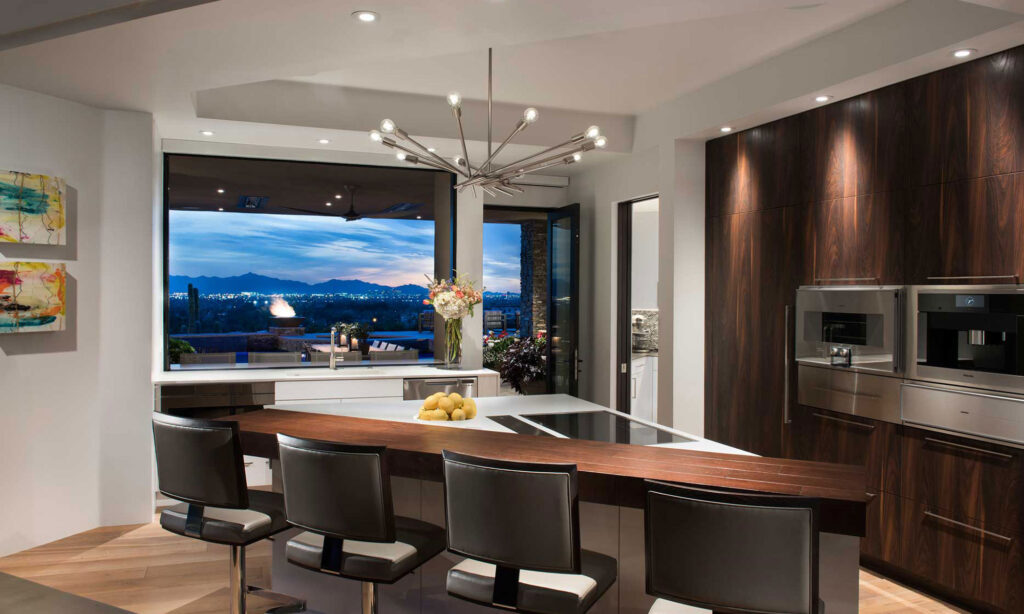
How to Design for Indoor-Outdoor Living in Arizona’s Luxury Homes Indoor-outdoor living is not a feature in Arizona homes—it is a core design principle. In Scottsdale, Paradise Valley, and Sedona, outdoor spaces are essential extensions of the home. However, effective integration requires more than adding a patio or sliding doors. It requires a unified design strategy. Creating Seamless Transitions Continuity between interior and exterior spaces is critical. This includes aligning floor levels, materials, and sightlines so that transitions feel natural. Consistent flooring across thresholds Aligned architectural elements Clear visual pathways Designing Outdoor Spaces as Functional Rooms Outdoor areas should be treated with the same level of detail as interior spaces. This includes defining zones for seating, dining, and circulation. Material Performance in Arizona Outdoor materials must withstand heat and sun exposure while maintaining their appearance. Durability and low maintenance are essential. Lighting and Usability Lighting extends the usability of outdoor spaces into the evening. It should provide both function and atmosphere without overpowering the design. Key Design Principles Design indoor and outdoor spaces as one system Prioritize durability and comfort Plan lighting early Create defined, functional zones When executed correctly, indoor-outdoor living enhances both the experience and functionality of the home. Contact janet@janetbrooksdesign.com https://janetbrooksdesign.com (480) 776-2700
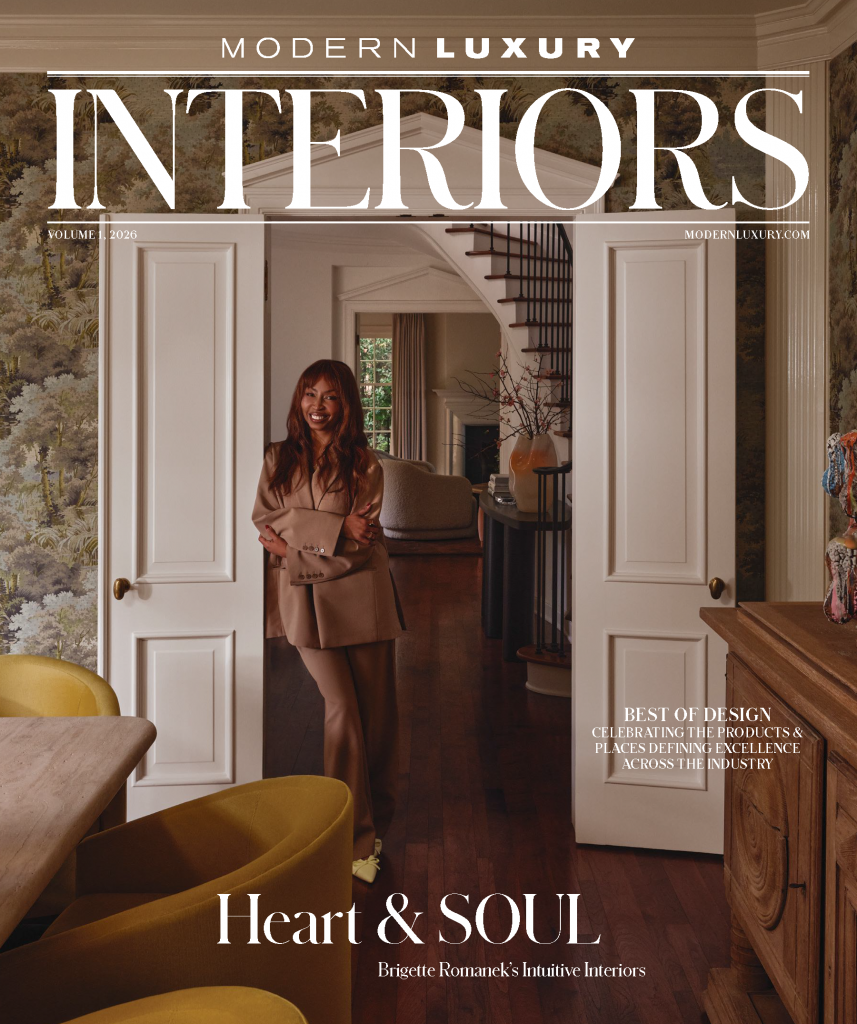
Modern Luxury Interiors Magazine – “Best of Design 2026”
Phoenix Home + Garden December 2025 / January 2026 Inviting Interiors A Daughter Inherited Her Father’s Rare Art Collection—Now It Defines Her Scottsdale Home ___________ A father’s bold art collection finds new life in a desert home that’s equal parts gallery and sanctuary. By Lauren Tyda | Photography by Austin LaRue Baker When an Ohio couple relocated to Scottsdale, they brought more than furniture and memories — they arrived with an extraordinary trove of modern art inherited from the wife’s late father, a celebrated plastic surgeon. “His creativity and love for aesthetic beauty made collecting a natural fit for him,” she recalls. Known for filling every inch of his own home with bold, thought-provoking works, he left behind an assemblage that became the centerpiece of his daughter’s new desert home. With Phoenix Home & Garden Masters of the Southwest award-winning interior designer Janet Brooks and her team, the couple embarked on a remodel that reimagined the layout, finishes and furnishings, while honoring the family legacy. “The house had a lot of potential, but some things didn’t work for them,” Brooks says. The kitchen was cramped, the primary suite disconnected, and a sauna in the primary bathroom occupied needed space. “We ripped that out and reconfigured a couple of hallways, creating a more usable floor plan.” Project designer Ali Schierbrock reconfigured and enlarged the primary closet, added a second closet for the husband, and reoriented the bed to face the primary bedroom’s view of Camelback Mountain. The rec room became a “she-shed,” providing a personal space for the wife.
The Role of an Interior Designer in Custom Home Builds in Arizona
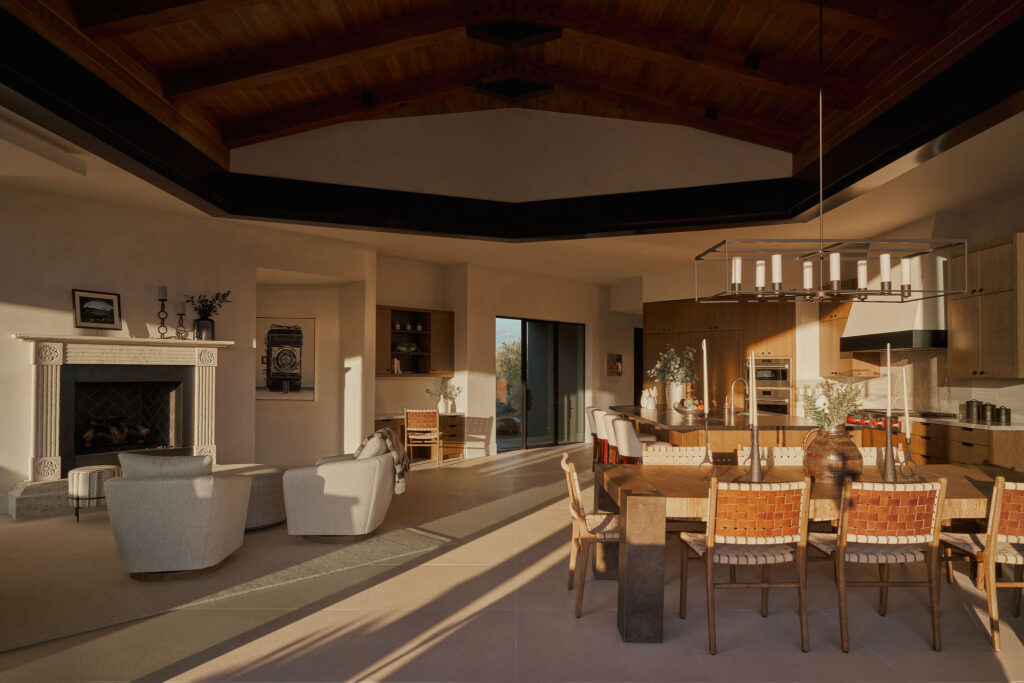
The Role of an Interior Designer in Custom Home Builds in Arizona In custom home construction, the interior designer is not a finishing role—they are a foundational part of the process. In high-end Arizona markets, early involvement is what allows a home to function cohesively. Without that involvement, projects often become fragmented, with decisions made in isolation rather than as part of a unified strategy. Early Planning and Collaboration Interior designers work alongside architects and builders to refine layouts, define spatial relationships, and ensure design decisions align with how the home will be used. This collaboration prevents costly revisions later and improves overall project efficiency. Core Responsibilities Evaluating and refining floor plans Planning lighting and ceiling integration Selecting materials based on performance and design Coordinating across contractors and vendors Documentation and Execution Detailed drawings and specifications guide construction. This ensures that the design is executed accurately and reduces miscommunication between trades. Arizona-Specific Expertise Designing in Arizona requires an understanding of environmental factors. Sun exposure, heat, and outdoor living all influence how spaces are planned and built. Why Early Involvement Matters Improves layout functionality Reduces construction changes Ensures cohesive design execution Aligns all project stakeholders The role of the interior designer is to bring clarity and cohesion to a complex process, ensuring that the final home performs as intended. Contact janet@janetbrooksdesign.com https://janetbrooksdesign.com (480) 776-2700
Designing a Home Around Your Lifestyle, Not Just Aesthetic Trends
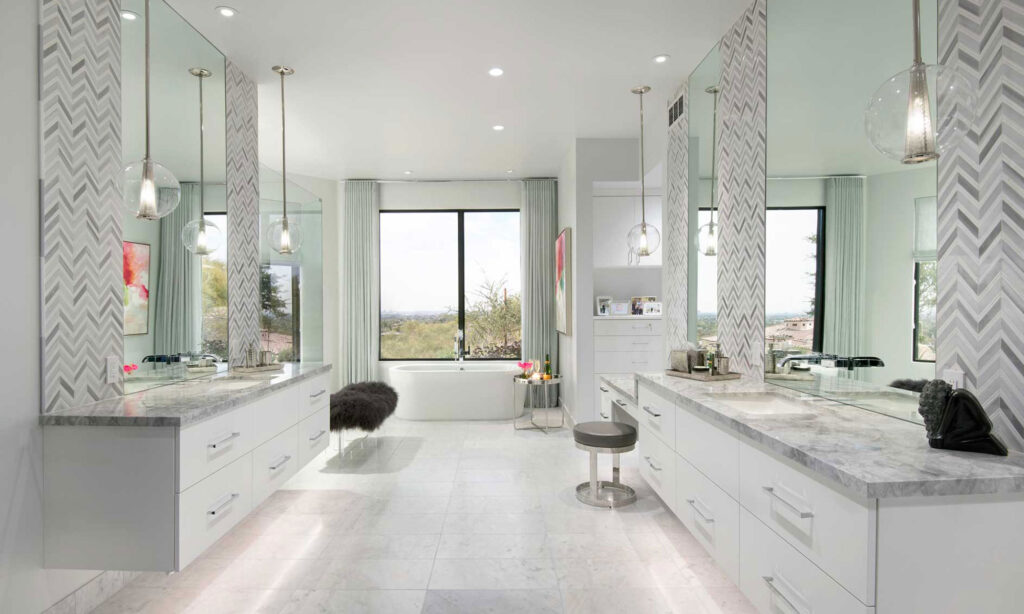
Designing a Home Around Your Lifestyle, Not Just Aesthetic Trends Design trends can influence direction, but they should never define a home. In Scottsdale, Paradise Valley, and Sedona, homes are long-term investments. Designing around trends often leads to spaces that feel dated or disconnected within a few years. A lifestyle-driven approach produces a very different result—one where the home supports daily routines, entertaining, and long-term use without constant adjustment. Why Trend-Based Design Falls Short Trends focus on visual impact. They rarely account for how a space functions. Over time, this creates friction—rooms that look impressive but are not used effectively. High-end design requires a shift from appearance-first thinking to performance-first planning. Understanding How the Home Is Used Before selecting materials or finishes, the design process should define how the homeowner lives. This includes movement, habits, and how different areas of the home interact. Daily routines and movement patterns Frequency and style of entertaining Balance between private and shared spaces Long-term adaptability Material Decisions Based on Use Material selection should reflect lifestyle, not just aesthetics. In Arizona, this includes durability under heat and sunlight, as well as ease of maintenance. Surfaces that look refined but fail over time create unnecessary cost and disruption. Designing for Flexibility Homes should adapt as needs evolve. Flexible spaces—such as multi-use rooms or adaptable layouts—allow the home to remain functional without requiring major redesign. Key Advantages of Lifestyle-Based Design Improved long-term usability Reduced need for future redesign Greater comfort and efficiency Better alignment between design and daily life A well-designed home should feel natural to live in. When lifestyle drives design, the result is a space that remains relevant, functional, and comfortable over time. Contact janet@janetbrooksdesign.com https://janetbrooksdesign.com (480) 776-2700
Phoenix Home + Garden – “Inviting Interiors” – December 2025
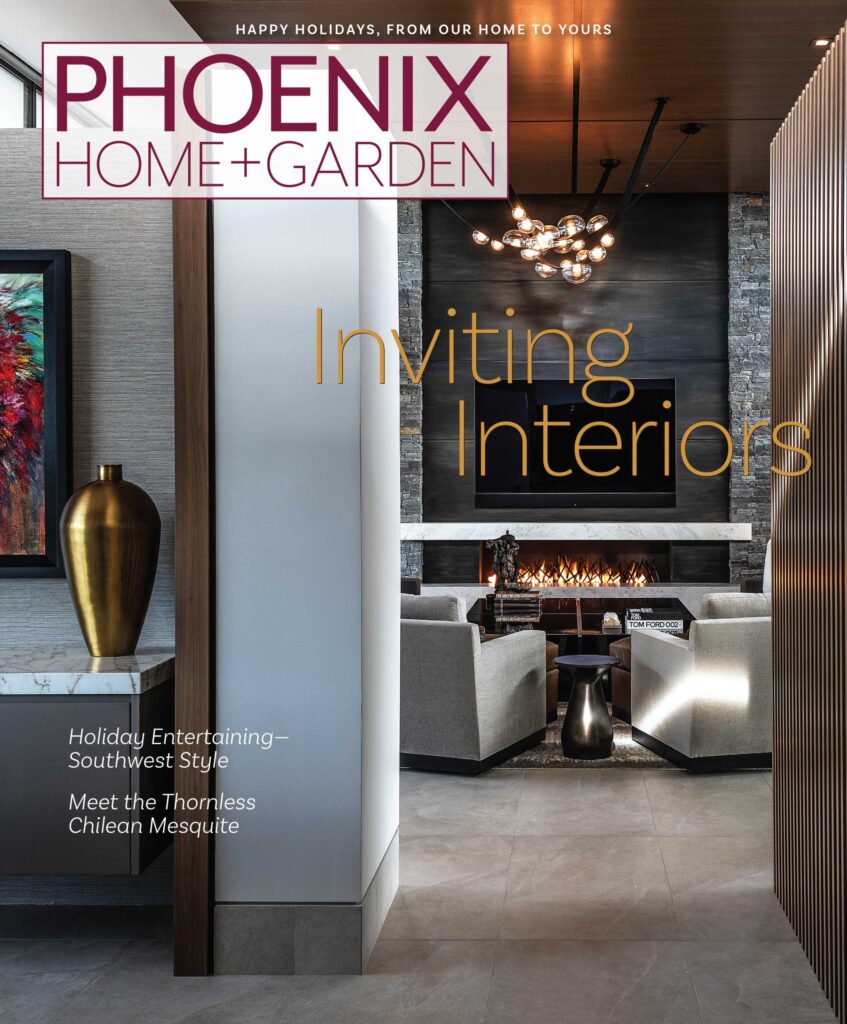
Phoenix Home + Garden December 2025 / January 2026 Inviting Interiors A Daughter Inherited Her Father’s Rare Art Collection—Now It Defines Her Scottsdale Home ___________ A father’s bold art collection finds new life in a desert home that’s equal parts gallery and sanctuary. By Lauren Tyda | Photography by Austin LaRue Baker When an Ohio couple relocated to Scottsdale, they brought more than furniture and memories — they arrived with an extraordinary trove of modern art inherited from the wife’s late father, a celebrated plastic surgeon. “His creativity and love for aesthetic beauty made collecting a natural fit for him,” she recalls. Known for filling every inch of his own home with bold, thought-provoking works, he left behind an assemblage that became the centerpiece of his daughter’s new desert home. With Phoenix Home & Garden Masters of the Southwest award-winning interior designer Janet Brooks and her team, the couple embarked on a remodel that reimagined the layout, finishes and furnishings, while honoring the family legacy. “The house had a lot of potential, but some things didn’t work for them,” Brooks says. The kitchen was cramped, the primary suite disconnected, and a sauna in the primary bathroom occupied needed space. “We ripped that out and reconfigured a couple of hallways, creating a more usable floor plan.” Project designer Ali Schierbrock reconfigured and enlarged the primary closet, added a second closet for the husband, and reoriented the bed to face the primary bedroom’s view of Camelback Mountain. The rec room became a “she-shed,” providing a personal space for the wife.
Iconic Life Magazine – “Iconic Design Awards” – June 2025

Iconic Design Award Iconic Life Magazine June 2025