

The Biggest Interior Design Trends
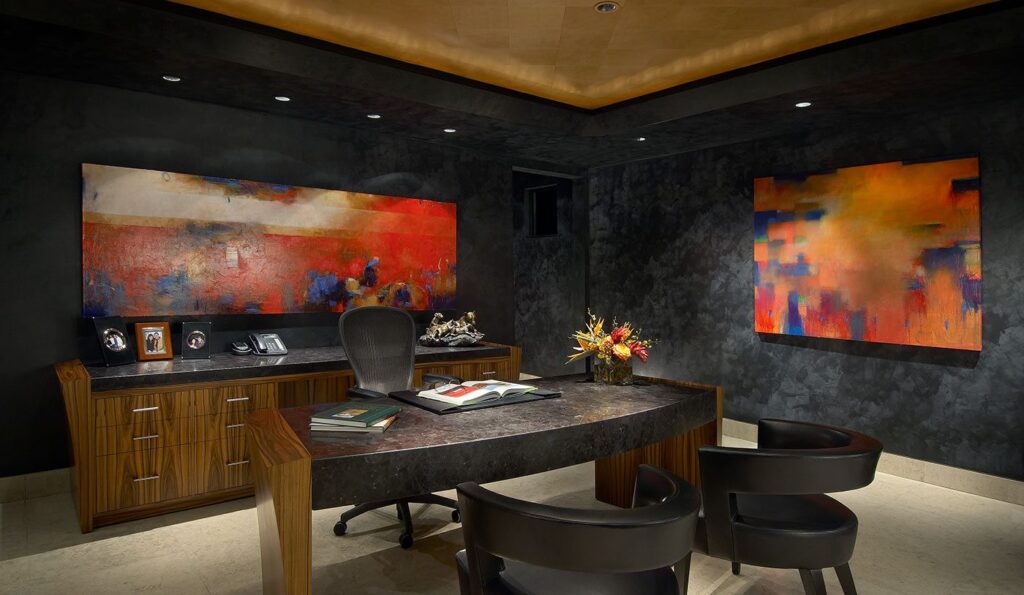
Data from Houzz survey indicates that 60% of homeowners have put plans in place to remodel their master bathroom, but interior design and decorating can include projects big and small — from renovating the bathroom to adding accents and new colors. If you’re one of the people planning to remodel or redecorate this fall, here are some of the few trends you should incorporate. 1. Multifunctional Spaces Multifunctional space is a trend in design that is geared towards designing a house for flexibility. With an increase in the use of the rooms, many people have been designing their houses to be flexible enough to accommodate diverse functions. For example, home libraries can accommodate guests when the need arises. This is done by use of movable bookshelves that can be relocated to one corner to accommodate chairs and tables. 2. Painted Ceilings For years, homeowners have not been painting their ceilings with the view that no one will bother to look up. However, with many homes today incorporating wallpapers, there is a need for painted ceilings for blending purposes. Interior designers have been advising homeowners to incorporate this trend so that they can enjoy the beauty of using wallpapers in their houses. Today, you will come across painted ceilings in homes, especially in dining areas and bedrooms. 3. Bold Colors For many years, bold colors have been used sparingly in home decoration. However, it appears that the current trends have incorporated bold colors in their entirety. Bold colors such as burnt orange, deep red, and navy blue are some of the colors that have been incorporated in home design to bring excitement into the room. If you are planning to revamp your interior this year, you can consider bold colors as a statement piece. 4. Leafy Introduction With nature taking center-stage in many aspects of society today, thousands of people have been introducing leafy vegetation in their houses. There are many leafy designs out there that you can introduce in your house. However, many home designers are opting for natural vegetation. If you are interested in adding a a special touch to your home, you may want to consider introducing artificial plants or natural plants to have a fun, outdoorsy aesthetic. 5. Minimalism Minimalism is one of the most recent interior design trends that have been introduced in the interior decoration industry. It is a design process that involves using very few pieces of furniture and other items in the house to create an illusion of a large open space. Most of the people with small houses have been using minimalism to make their friends comfortable while at the same time creating a sense of openness. 6. Sustainability Swaps With thousands of people becoming environmentally aware, there has been a drastic change in approaches to interior design. People are no longer buying plastic products for home decoration. Experienced residential home designers have been using recycled products in strategic areas of the house. Others have been swapping plastic products with sustainable home decoration products such as wooden chairs and tables. 7. Large Windows Large windows might be mistaken for architectural design, but they are part of interior design strategies. Homeowners who are concerned about the size of their houses are using large windows to create deep space and create a perception of large and spacious rooms. Besides creating spacious rooms, large windows are essential in providing natural light and cool air. These are some of the dominant interior design trends this year. If you are looking for a top interior designer to contact Janet Brooks Design for professional interior decoration services.
Step By Step Guide to Choosing a Residential Home Designer
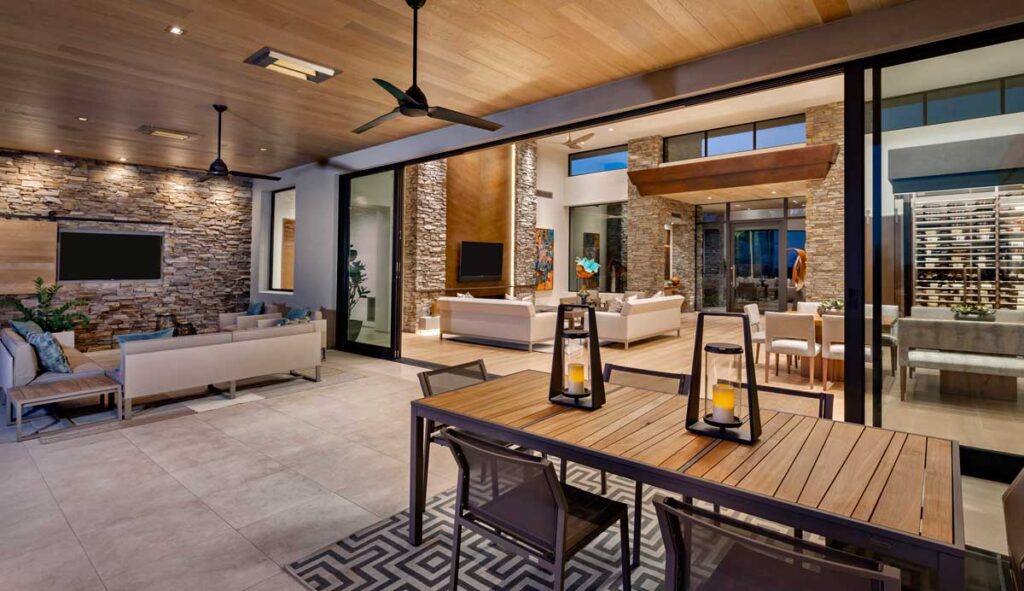
Choosing a residential home designer is an important decision. You will have to live with the results of a new design for a long time, so it’s in your best interest that the ideas you begin with end with the results you desired. Because of this, you should take your time to find the right residential designer, one that matches your taste and budget. This step by step guide will give you tips on how to handle the decision making process. What is your style?: This is the first thing you need to identify. Before you start interviewing designers, decide what you want to achieve. Make a list of what you want and what you don’t want, then view possible websites for designers that match your style. Then gather your ideas and save it for your design consultation. Look at portfolios: This is basic, but you will be surprised that people are willing to take a designer’s word for it without seeing a portfolio. No matter how convincing an interior designer is, insist on seeing their previous work. Portfolios will help you identify designers who match your style. Once you see their work, imagine living in the spaces they have created and determine if this is a space you like. Meet the designer: Once you have a few names on your list, it’s time to arrange a face to face meeting. Take your design idea with you as it will give the residential home designer a clue of what you are looking for. Also, write down your questions. Some people leave a meeting and remember something vital they should have asked. Having a list of questions will ensure you get what you need answered. Ask for references: Top notch designers who are confident in their work will gladly give you references to people they have worked with before. Visit the spaces they created (if the reference is ok with it) and see first-hand the kind of work you can expect. If you are confident in the designer’s skill, then hire them! Be sure to ask the reference of any challenges they encountered during the project and how they were handled. Ask about the design process: Every interior decorator has a unique way of doing things. Ask the designer what their design process will look like. This will help you gauge whether your timing and the designer’s timing will match. Have an open mind: It is difficult to meet the perfect residential home designer, but it is not impossible. Keep an open mind and entertain what the designer is expressing. Choosing a residential home designer can be challenging. Studies have shown that a happy home is where you feel secure (69%), a place of relaxation (64%) and a place where you feel comfortable to be who you are (57%). Give the design team at Janet Brooks Design a call today.
Out Of Interior Design Ideas? Check Out These Popular Trends For Summer 2019
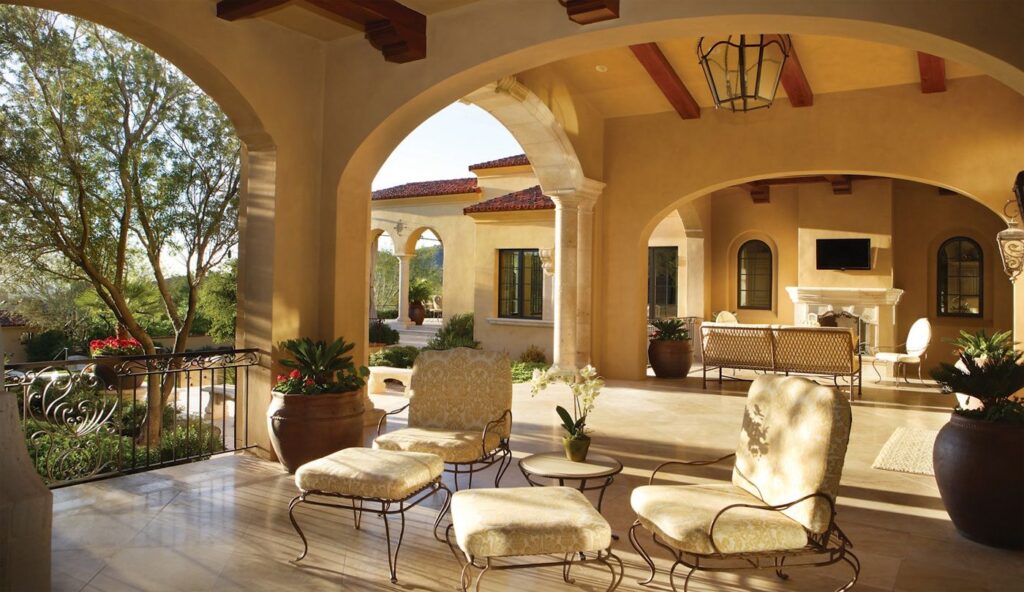
Interior decorating is not a simple task. From the paint color to the furniture and accent pieces, all the elements of a room (or a home) should blend and enhance the design seamlessly. Many people fight and struggle to make their ideas come to life, and end up frustrated and defeated simply because they lack the knowledge and experience interior design requires to be successful. If you’re sick of pulling your hair out — or are just out of ideas — please take a look at our list of popular summer 2019 interior design trends. Recycled Kitchen: More and more people are paying attention to the impact their behavior has on the environment. Many stores have begun offering green options to keep up with this trend; by purchasing appliances and cabinetry that are made from recycled materials, you can reduce your carbon footprint and still enjoy the beauty of a new kitchen. Natural Textures: Natural textures are inherently cozy. The tactile experience is based around a slow living aesthetic; by emphasizing natural materials through textured throws and cushions, your home will adopt a truly comfortable and elegant feel. Mix and Match: If you’re not a fan of minimalism, focus on patterns. Don’t just pick one; by blending different designs in the same color palette, you can keep everything balanced visually without it being too plain or boring. Make It Cool: Utilizing warm colors will provide a look of elegance and warmth. Simple pops of color used throughout the design will bring life and a feel of relaxation and comfort to your decor. From your furniture to your carpets, using warm colors always adds a feel of sophistication. Mid-Century Modern: The key ingredients to mid-century design is simplicity. Incorporate sleek lines (such as tapered table legs) and other minimalist options to keep your home cool and collected. The interior design industry generates around $10 billion every year. With so many choices and decisions to make, it’s often easier to rely on the expertise of a professional. Janet Brooks Design team, your interior designers in Phoenix are uniquely equipped to help you bring your summer decor concepts into reality; rather than waste time, effort, and money through trial and error, contact one of our dream team members today.
Unsure Which Paint Color Is Best For That Room? These 3 Tips Will Help You Figure It Out
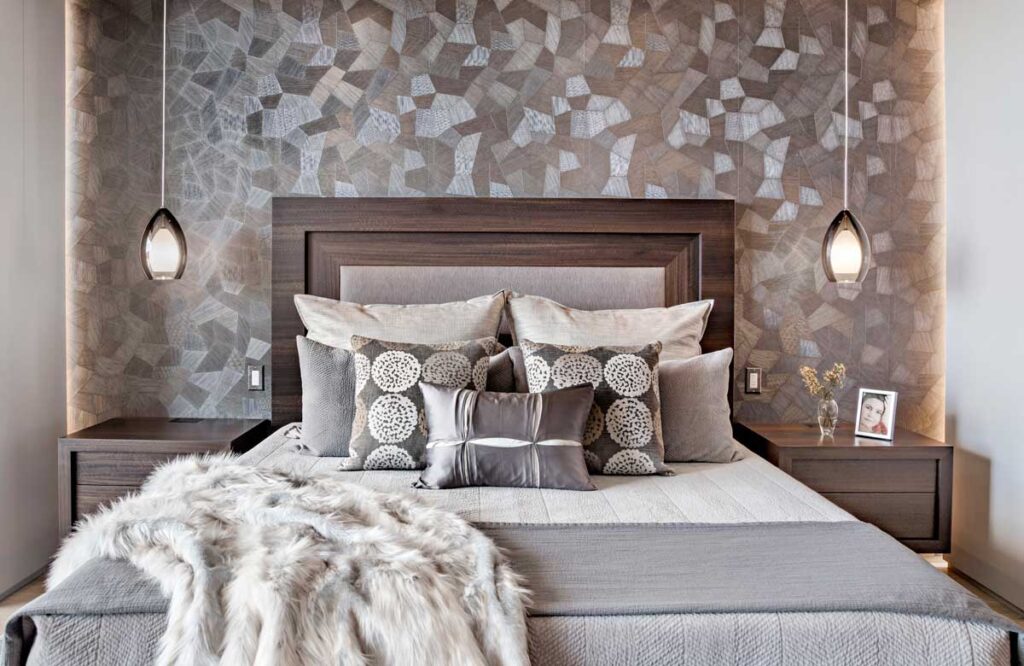
Interior decorating is not an easy job — there’s a reason we often turn to residential home designers to take the reigns and make the big decisions. If you’re currently in the midst of decorating your home, you may be facing one of the most important choices in the design process: paint color. In order to help you make sense of the task before you, we’ve put together a few tips that should ease the process. Think About Your Mood The color of a room’s walls will dictate a lot about the mood that room inspires; as a result, it’s crucial that you consider mood before anything else. Soft, cool colors and neutrals often create a quieter color, while strong, bold colors are used for drama. Since brighter colors are stimulating, you’ll want to avoid them in the bedroom; sometimes, they can even lead to unrest and irritability! Dip your toe into color psychology and go from there. Pay Attention to Lighting Paint stores have light boxes for you to test paint chips in. Natural daylight shows the truest color; incandescent lighting brings out warmer tones and yellows; fluorescent light casts a sharper, blue tone. In short, a strong color on the walls of a room with a large window may appear too bright and overpowering but may be the best choice for an accent wall that only receives indirect light. Play around with your options and — most importantly — don’t rush. Test It Out The very worst thing you can do is hastily paint your entire room and then realize belatedly that the color just isn’t right. If you take your time, you can actually bolster your confidence in your final choice; test colors on poster board or even areas of the actual wall. Worst case scenario, you find out that it doesn’t look how you imagined and you only have one small spot to cover up. Whether you’re remodeling a single room or the entire house (35% of remodeling jobs involve the whole home), the color of your walls is extremely important. If you still can’t make heads or tails of the experience, seek out a professional; residential home designers possess the knowledge and skill to give you exactly what you’re picturing — even if you can’t see it yet.
Throwing a Curve (Modern Luxury Magazine)
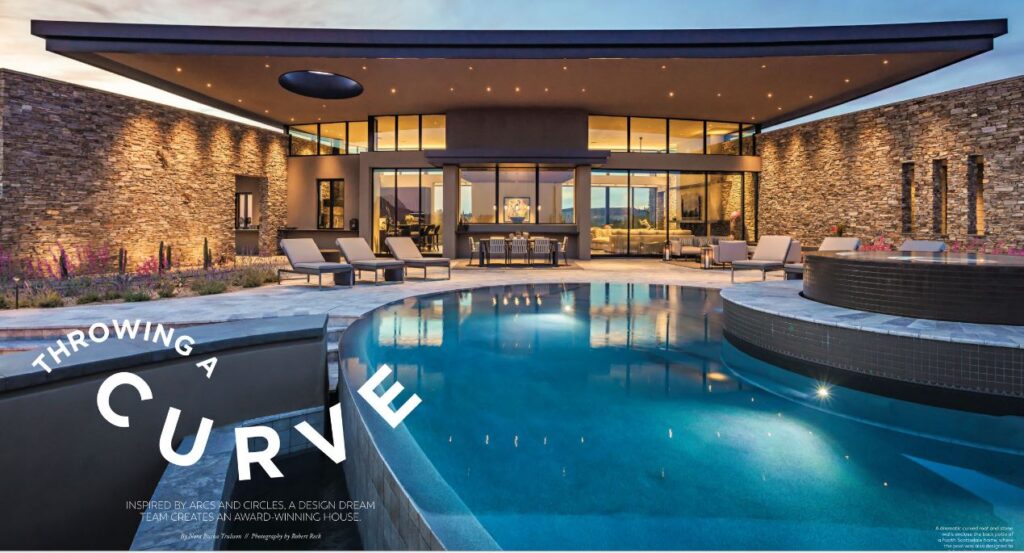
Inspired by Arcs and Circles, a Design Dream Team Creates an Award-Winning House The 7,500 square foot house sits on a knoll in North Scottsdale, its elevation marked by two arcing stone-clad walls that seem to reach out to the desert. The home’s sculptural form is capped by a curving roof that floats on glass walls, creating the effect of a welcoming pavilion. The residence, which crowns 5 acres, has won two major design awards, one from the Arizona Masonry Guild and a first place for its interior from the ASID Arizona North Chapter. It took astute owners a dedicated team of design professionals and many months of detailed planning to create this Zen-like winter getaway. The homeowners, a Seattle couple, wanted a house with a desert view that could accommodate the art and artifacts they collect during their frequent international travels, as well as lengthy visits form family and friends from around the globe. The couple put together a team that included architect Erik Peterson, builder Anthony Salicio, interior designer Janet Brooks and landscape designer Jeff Berghoff. View Entire Article
Arizona Interior Design for An Inspiring Life
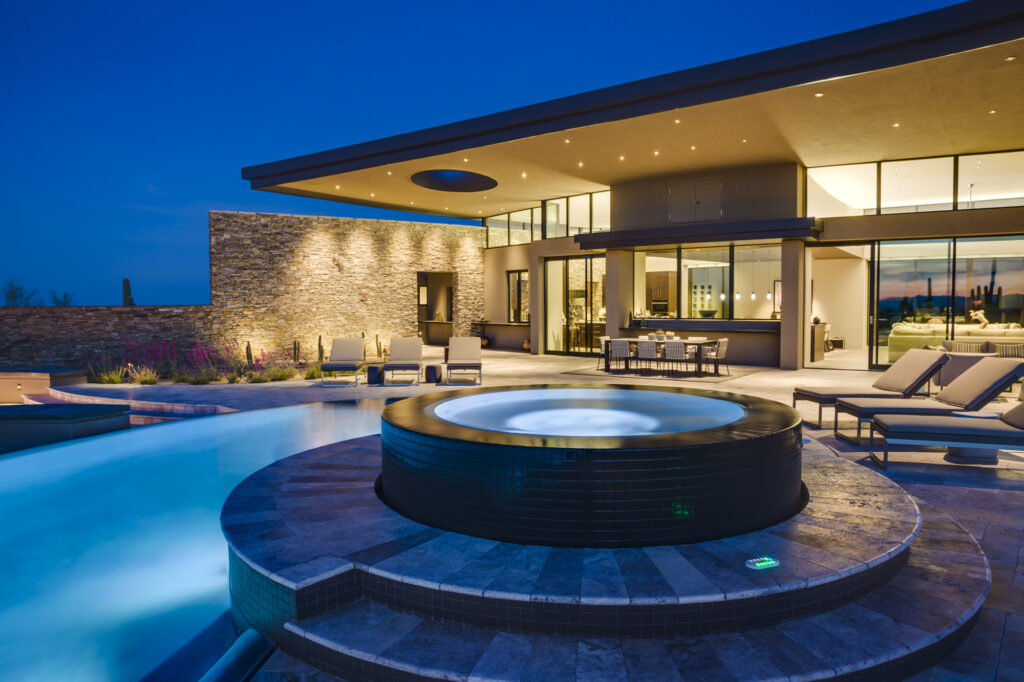
Living in Arizona is a beautiful thing. With a vibrant culinary scene, arid climate, lots of great golf and lovely natural landscapes, While Arizona has much to offer, during the summer months, Arizona interior design can present specific challenges for keeping your home cool, relaxing, and comfortable. In addition to central air and the almost required swimming pool, creating a welcoming and comfortable indoor-outdoor space can be important as well. Arizona homes are unique in that so many have non-standard designs and indoor-outdoor spaces that are built in. These spaces work well when you want to enjoy the outdoors, but still feel some of the cool air from inside the house. They are often interesting spaces with unusual architectural and interior decorating features. Research has found that respondents define a happy home as a secure space (69%), a haven for rest (64%), and the place where you can feel most free to be your authentic self (57%). Your indoor-outdoor space should match these criteria as well. These areas tend to serve as home retreats and their decor should reflect their special nature. Below is some inspiration for decorating your own indoor-outdoor sanctuary. These spaces can be subject to the elements, so most decor should be able to withstand high heat, winds, rain, and bleaching from the sun. Many metals and other heat-absorbing materials should be avoided as they may heat up in the sun and become burn dangers. Arizona is known for its vibrant use of color and your indoor-outdoor space need not be an exception. However, if using bright colors, consider the placement of your bright items and how they are made, to avoid the sun washing out your colors. These pieces might be placed under a covered section of your indoor-outdoor space or constructed of materials that are resistant to fading in the sun. As your indoor-outdoor space will likely become a favored spot for your family and guests, it’s interior decorating should get as much love as the rest of your home. Note also that demand for specialized interior design capabilities, like Janet Brooks’ Design team, are predicted to grow by 20% over the next ten years. Niche home design is becoming much more common and much less niche. When appointing your indoor-outdoor space, be sure to include comfortable seating; hard surfaces won’t do for this relaxing area. Consider a bar, either just inside the area or outside under the covered portion. The trek to your next margarita should be a short one! And, it doesn’t hurt to have plenty of water at hand to keep your loved ones hydrated and cool. Give the interior decorating team at Janet Brooks Design a call today to explore design options for your indoor-outdoor space.
Let The Light In: 4 Ways To Making A Design Statement With Your Light Fixtures
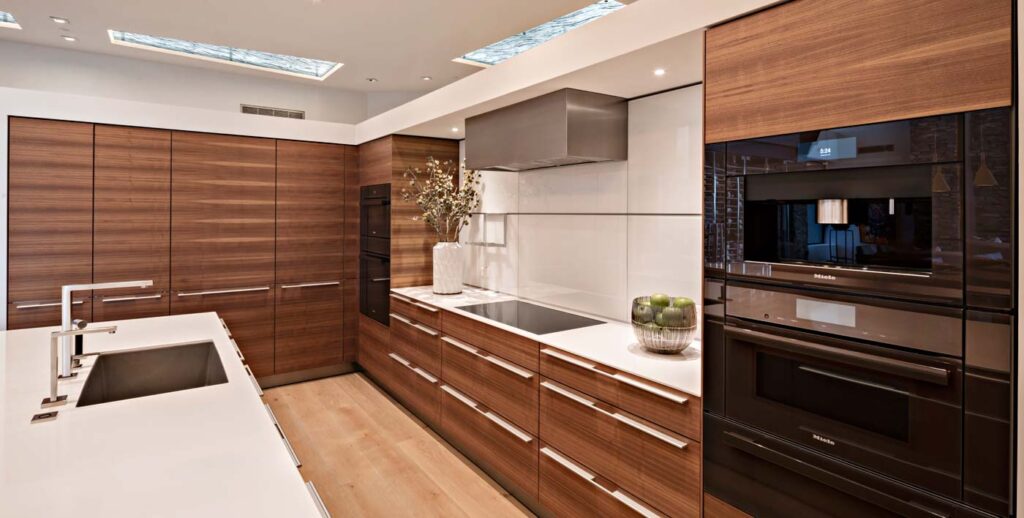
How to Use Lighting to Transform Your Home — Beyond the Statement Fixture Lighting is one of the most influential elements in a home, yet it is often treated as a finishing detail rather than a foundational design decision. In reality, lighting shapes how a space feels, functions, and is experienced throughout the day. In luxury homes across Scottsdale, Paradise Valley, Sedona, and surrounding communities, lighting is not simply about visibility—it is about creating atmosphere. The right lighting can make a space feel calm, energizing, or refined, depending on how it is designed and layered. Lighting as a Design Foundation Effective lighting begins long before fixtures are selected. It should be considered alongside architecture, layout, and material choices to ensure that every element works together. At Janet Brooks Design, lighting is approached as part of the overall design strategy. This means evaluating how each space is used and how lighting can support both function and mood. Without this level of planning, even well-designed homes can feel flat or disconnected. When lighting is integrated early, it enhances everything else in the home—from textures and finishes to spatial flow. Making the Right Statement Statement lighting can elevate a room, but it requires discipline. A bold fixture should enhance the space, not dominate it. The most successful designs use statement lighting as a focal point that supports the overall environment. It should feel intentional, not inserted. Choose fixtures that align with the architecture and scale of the room Ensure materials and finishes complement surrounding elements Use lighting to highlight key areas without overwhelming the space Maintain consistency across connected rooms When done correctly, statement lighting draws attention in a way that feels natural and cohesive. Understanding Light Intensity and Mood Not all lighting should be treated the same. The intensity and quality of light should reflect how a space is used. Dining areas, for example, benefit from softer, ambient lighting that creates a relaxed and inviting atmosphere. Kitchens and workspaces require brighter, more focused lighting to support functionality. Layering light—rather than relying on a single source—allows a space to adapt throughout the day, supporting both activity and relaxation. Scale and Proportion Matter One of the most common mistakes in lighting design is ignoring scale. Fixtures that are too large can overwhelm a room, while those that are too small can feel insignificant. Balance is achieved by considering the size of the space, ceiling height, and surrounding design elements. Lighting should feel integrated, not forced. Well-proportioned fixtures enhance a space quietly, contributing to the overall experience without distraction. A Practical Approach to Better Lighting For homeowners looking to improve their lighting, a few strategic adjustments can make a significant difference: Layer multiple light sources instead of relying on one fixture Match brightness levels to the function of each room Use dimmers to create flexibility throughout the day Select fixtures that align with the overall design direction These changes can elevate both the look and usability of a space without requiring major renovation. Designing for How a Home Feels A well-designed home is ultimately defined by how it feels to live in. Lighting plays a central role in that experience, influencing comfort, mood, and usability. For many homeowners, a successful space is one where they feel relaxed, comfortable, and fully at ease. Thoughtful lighting design helps achieve that by supporting both the visual and functional aspects of the home. When approached with intention, lighting becomes more than a design feature—it becomes an essential part of creating a home that truly lives well. Contact Janet Brooks Design janet@janetbrooksdesign.comjanetbrooksdesign.com(480) 776-2700
Luxe Magazine: Set the Stage
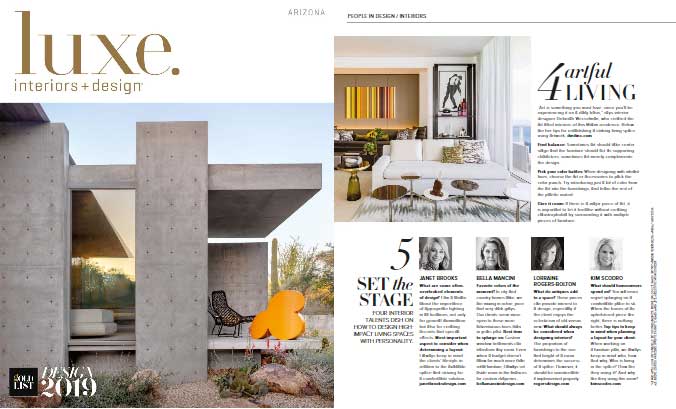
5 Set the Stage: Four Interior Talents Dish on How to Design High-Impact Living Spaces with Personality What are some often overlooked elements of design? “I am a fanatic about the importance of appropriate lighting in all locations,” Janet Brooks says, “Not only for general illumination but also for creating accents and special effects.” Most important aspect to consider when determining a layout? “I always keep in mind the clients’ lifestyle in relation to the available space and striving for a comfortable solution.” Click here to view article
Designing For The Desert: 5 Tips To Match Arid Surroundings
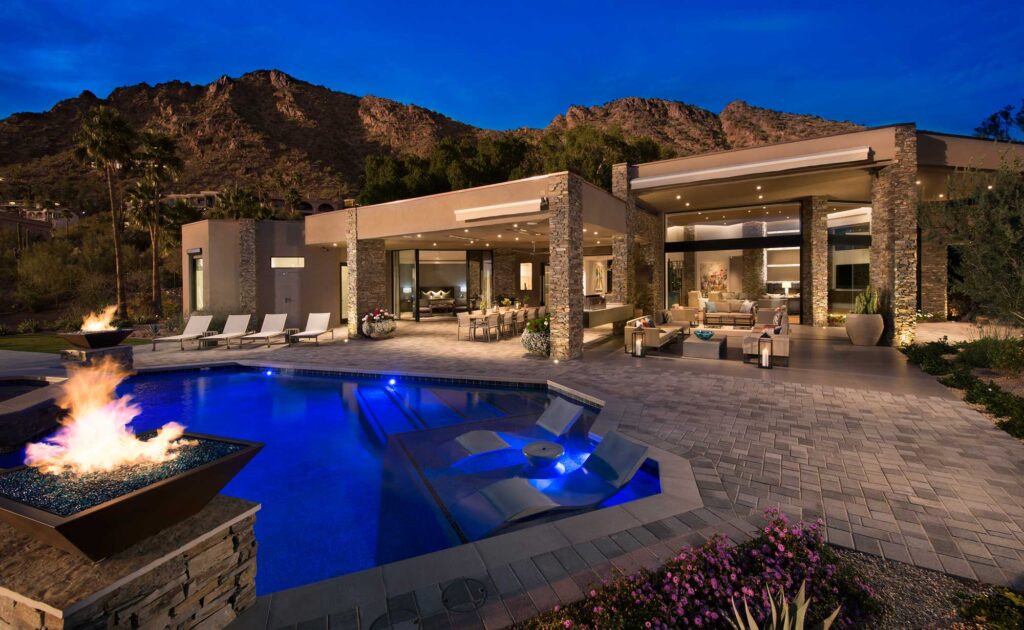
Living in the desert can be a wonderful experience. From wonderful sunshine to warmer temperatures year-round, the lifestyle in the arid climate can leisurely and relaxed. When it comes to design inspiration, you’ve got an endless supply to choose from: desert cacti are varied and sprout vibrant flowers in this summer, earth tones surround you, and the bright sunshine can aid in creating a wonderful look and feel. Let’s take a look at five interior design trends that residential home designers recommend incorporating into your desert home. Shade: When you are designing in the desert, keep in mind, the summer can be incredibly hot and dry. With temperatures that can climb into the 120’s creating a shaded area is essential. Deep overhangs and verandas do more than just shade an outside sitting area, they keep the interior cooler by acting as a buffer from the sun. Exterior materials: When it comes to flooring, go for cool, natural finishes like stone and adobe. Be sure to keep your paints lighter — they won’t fade in the sun, and they’ll help keep the indoor temperatures more bearable. Wood is not a good choice because of the seasonal monsoons; the fluctuating temperatures mixed with water cause the material to warp and decay. Light: Deserts experience the most sunshine in the world. By installing floor-to-ceiling windows, you can take advantage of this natural light. Adding window coverings and modern blinds however, can add to the design look and feel creating a space that you will love to be in and out of the sun. Colors: Consider the colors of the desert. Dusty sage, unbleached linen, and pale rust all provide a cool feeling while still replicating the aesthetic of the sun bleached region. At the same time, you can introduce pale pinks, marigolds, lilacs, and mauves. Whether you’re a millennial looking to make this desert home your own, or are retiring to warm sands and want an interior decor to match, you have plenty of freedom when it comes to decorating. Give the team at Janet Brooks Design a call today to to explore your own unique home design look and feel. 480.776.2700.
Here’s Why You Want an Interior Designer on Your Team
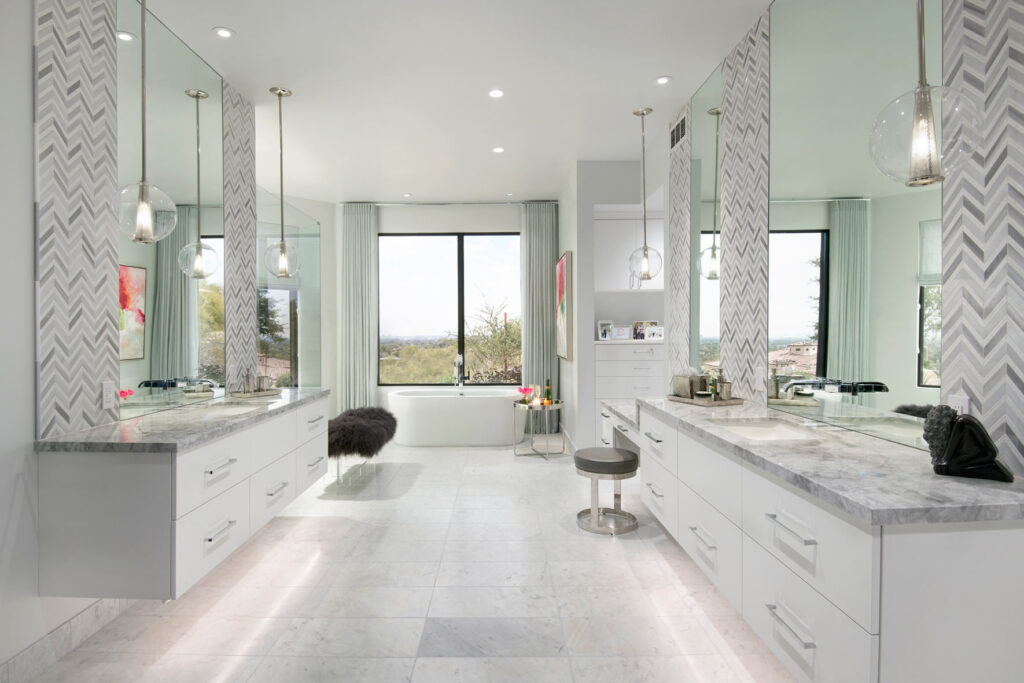
Sometimes you just want out with the old and in with the new! You want to feel comfortable and happy in your home and one of the best ways to achieve this is to cast another eye at your interior design. Whether you’ve moved in yesterday or have lived in your home for ten years, it’s never a bad idea to update. Home decor and the design process should change as you (and your needs) change — even a fresh coat of paint or new floors can make a big difference. A designer can help guide you through the design process and help balance the current trends with style elements that will keep your home timeless for years to come, without dating the home too much. If you’ve felt discouraged about the way your home looks, it might be time to call in the pros! How Design Can Affect Your Mood According to studies, people most consider the definition of a happy home as a place where you feel secure (almost 70%), a place where you can relax (almost 65%), and a space where you can be yourself (almost 60%). For those to occur, you need to feel comfortable in your space. Outdated decor, uncomfortable furniture, or too much clutter might make you feel stressed out, thinking about all the changes that need to happen, so you can’t truly relax. Or maybe certain aspects of your home are just inconvenient at this stage in your life, but you haven’t gotten around to redoing them, though you know you should. That’s more stress too. Though there’s always plenty of work involved in being a homeowner, it shouldn’t make you uncomfortable or constantly stressed or unhappy with your home. What Can an Interior Designer Do? An interior designer will help greatly with the overall design process, which can often feel overwhelming. They help bring order to the whole affair and help you pinpoint what you’re looking for with the changes you want to make. They think outside the box, so they can present you with unusual ideas or styles that you maybe hadn’t even considered! They’ll also have plenty of contacts, so finding the materials or items you want and don’t know how to get is right up their alley. An interior designer really is hands on for the whole design process. They’ll help you pick out fabric, wall and window treatments, furniture, and the little touches that make a house a home. They can also draft and draw up plans, discuss furniture and lighting plans, and can help with space planning. They’re there to help you maximize the efficiency of your interior design project and may even be able to save you money in the long run, by narrowing the focus, then making sure that’s what’s being executed, and finding creative ways to make it happen within (or under) budget. They’ll know a good starting point and help guide you through the whole process, making it (hopefully) painless from start to finish! How Do I Choose the Right Interior Designer For Me? Always see if you can get a personal recommendation from someone. It’s one of the best ways to find good, reliable service. And don’t be afraid to talk to a few different interior designers as well. When you meet with them, you should have a rough idea of what you’re looking for, even if you’re hoping that they’ll be able to flesh it out or focus it. But giving them an idea of what you want can help them and lets you see if they’re on the same page as you creatively and aesthetically, as well as how you might work collaboratively with them. Check out their portfolio as well — is the aesthetic they tend to gravitate to one that matches with yours? Give our team a call today to discuss the interior design integrative process. You’ll be happy you did.