

Relaxing Bedroom Color Palettes for 2022
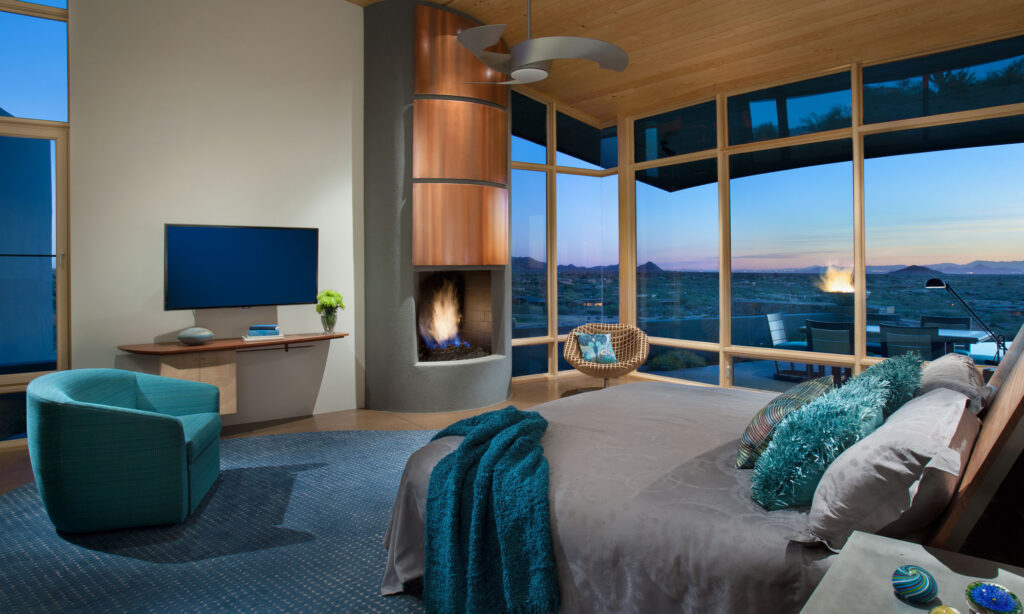
Relaxing Bedroom Color Palettes As an expert interior designer with years of experience in crafting beautiful living spaces, I deeply understand the significance of choosing the right colors for your master bedroom. Your bedroom is more than just a place to sleep; it’s a sanctuary where you can unwind, recharge, and escape from the stresses of daily life. That’s why it’s crucial to select colors that not only reflect your personal style but also promote tranquility and relaxation. In my extensive career working with homeowners, I’ve witnessed firsthand the transformative power of color in interior design. The hues you choose can significantly impact the mood and ambiance of your space, influencing everything from your sleep quality to your overall well-being. That’s why I’m passionate about helping my clients navigate the myriad of color options available to create a master bedroom that truly embodies their vision of comfort and serenity. In 2022, there are several popular color choices that can help you achieve the ideal ambiance for a restful night’s sleep. Let’s explore some of the best colors for your master bedroom and how they can enhance your space. When it comes to promoting relaxation and tranquility, blue and gray are often hailed as the top contenders. These cool-toned hues have a calming effect on the mind, making it easier to unwind and drift off to sleep. Opting for medium or lighter shades of blue and gray can evoke a sense of serenity, ideal for creating a soothing sleep environment. Many paint companies offer a variety of beautiful blue and gray shades, allowing you to find the perfect tone to suit your preferences. Neutral colors like white are timeless choices for master bedrooms, providing a versatile backdrop that complements various decor styles. With over fifty different shades of white to choose from, you can find the perfect hue to create a serene and inviting atmosphere in your bedroom. Neutral tones also help balance brighter accessories or furniture, allowing them to stand out without overwhelming the space. Incorporating shades of green and brown into your master bedroom can evoke a sense of harmony and connection with nature. Green, being an earthy color, brings a sense of calmness and rejuvenation to your space. Whether you opt for light, medium, or darker shades, green can infuse your bedroom with a tranquil ambiance. Similarly, brown hues exude warmth and serenity, offering a comforting backdrop for relaxation. Lighter shades of brown, such as cream or beige, create a soft and inviting atmosphere that promotes restful sleep. Whether you prefer the calming allure of blue and gray or the earthy warmth of green and brown, selecting the right colors for your master bedroom is essential for creating a peaceful sanctuary. As an interior designer, I can guide you through the process of choosing the perfect color palette and creating a cohesive design that reflects your unique style and preferences. Contact our office today to discover more about the latest color trends and design ideas for your master bedroom.
Home For the Holidays: Styling Your Home to Host
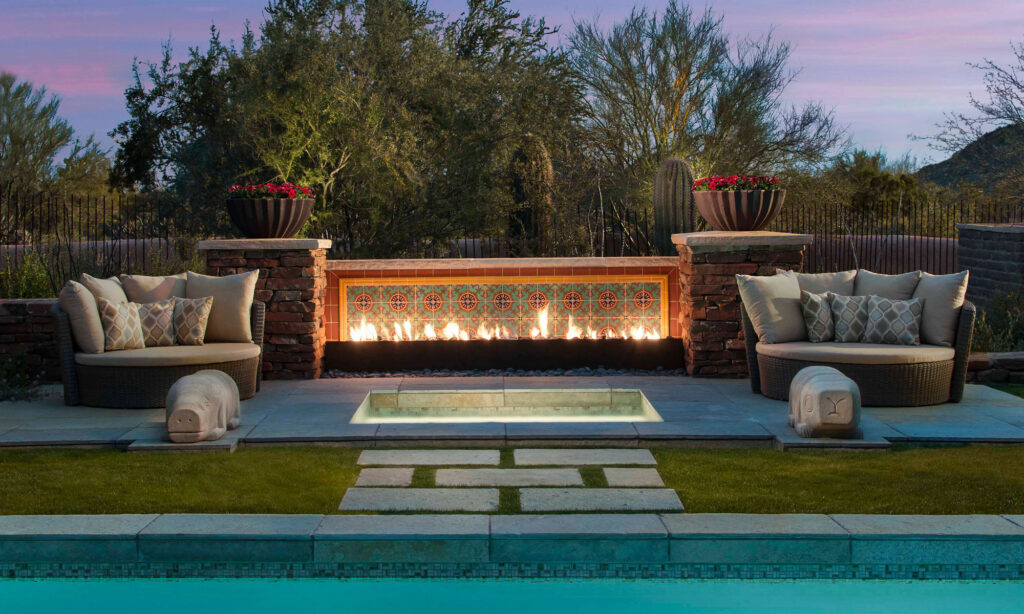
Styling Your Home to Host Drawing from years of experience and expertise in interior design, I understand the desire to create a warm and inviting atmosphere in your home, especially during the holiday season when friends and family gather to celebrate. This year, the latest trends in holiday decorating emphasize simplicity, eco-friendliness, vintage charm, and the expansion of indoor festivities to outdoor spaces. Let’s explore these trends further and discover how they can elevate your holiday hosting experience. Simplicity and Eco-Friendly Decor: Embracing simplicity in holiday decor is not only chic but also environmentally conscious. Opting for eco-friendly decorations made from sustainable materials adds a touch of elegance while reducing your carbon footprint. As your interior designer, I can source natural wreaths, centerpieces, and ornaments crafted from recycled or organic materials, ensuring that your holiday styling aligns with your eco-conscious values. Extending this aesthetic to your outdoor space with eco-friendly furniture and accessories enhances the overall ambiance of your gatherings. Vintage-Inspired Holiday Delights: Vintage holiday decor exudes nostalgic charm and timeless elegance. Incorporating vintage ceramic trees, holiday villages, and handmade ornaments into your holiday styling adds a whimsical touch that delights both young and old. With my expertise, we can curate a collection of vintage treasures that infuse your home with warmth and character, creating enchanting holiday displays in every room. Monochrome Magic and Seasonal Hues: This year, monochrome color schemes are all the rage, with shades of gray taking center stage. Gray serves as a versatile backdrop that pairs beautifully with traditional holiday hues like white, red, and green, creating a sophisticated yet festive atmosphere. For those in warmer climates, coastal-inspired colors such as brown, green, and blue evoke a sense of relaxation and tranquility. Incorporating nautical decor elements like seashells and maritime motifs adds a playful twist to your holiday aesthetic. Outdoor Festivities and Al Fresco Entertaining: Transforming your outdoor space into a holiday oasis allows you to extend your festivities beyond the confines of your home. Whether it’s decking out your patio with festive lighting, cozying up around a firepit, or hosting an al fresco dining experience, outdoor entertaining adds an extra layer of magic to your holiday celebrations. With my guidance, we can design a stylish and functional outdoor setting that sets the stage for unforgettable holiday gatherings under the stars. As your trusted interior design partner, I’m here to bring your holiday visions to life. Contact the team at Janet Brooks Design today to discuss how we can incorporate these exciting trends into your home and create an enchanting holiday experience for you and your loved ones.
Is Southwestern Interior Design Style Still In?
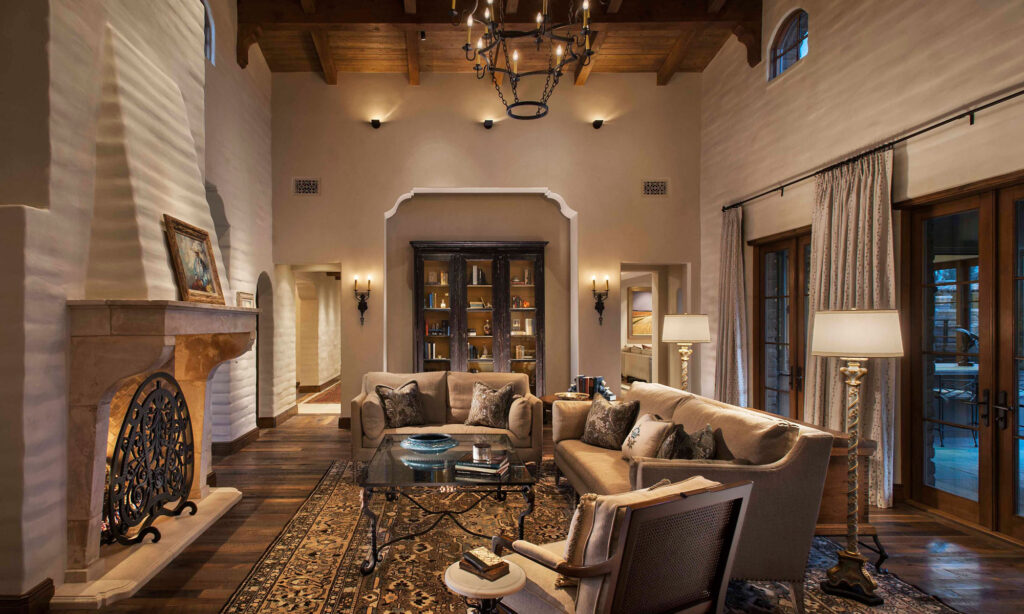
Southwestern Interior Design Style As someone who has spent years navigating the intricacies of interior design, I’ve developed a profound understanding of the nuanced relationship between tradition and innovation within the realm of home decor. Through my extensive work in the field, I’ve witnessed firsthand the cyclical nature of design trends, where what’s old often becomes new again, and where innovation breathes life into traditional concepts. Drawing from my expertise, I’ve honed a deep understanding of how to blend contemporary flair with classic elegance, creating spaces that not only reflect current tastes but also stand the test of time. I’ve witnessed the ebb and flow of design trends, and the southwestern style has certainly made its mark on home decor in recent years. Originating from the American southwest, this style boasts earthy tones, animal prints, and the charm of succulents. But amidst its popularity, the debate lingers: has southwestern style reached its pinnacle, or does it still hold relevance in contemporary design? Critics of southwestern-style decor often cite its potential for kitschiness, invoking images of stereotypical cowboys and overuse of cowhide. Moreover, concerns arise about cultural appropriation when incorporating patterns inspired by Navajo blankets or other indigenous designs. Additionally, the geographical context is crucial; adopting a southwestern color palette in a region far removed from the southwest may appear disjointed and out of place. However, proponents of southwestern style argue for its versatility and enduring appeal. Rather than replicating cultural motifs, a modern take on this aesthetic emphasizes earthy tones and subtle nods to the southwest through prints or artwork. By adhering to a rustic, shabby-chic vibe, homeowners can infuse their space with southwestern sensibilities without overwhelming the decor. Ultimately, the question isn’t whether southwestern style is in or out—it’s about how it’s executed. With thoughtful curation and a balanced approach, southwestern elements can add character and warmth to any home, transcending passing trends to become timeless features of interior design.
4 Modern Southwestern Interior Design Trends to Bring Your Home to the Desert
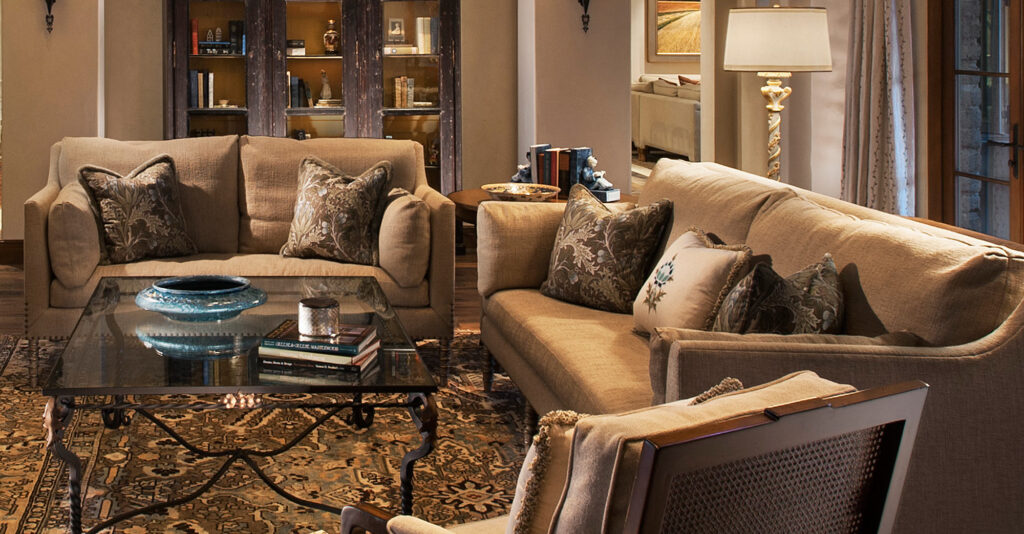
Southwestern interior design trends were once emblematic of Arizona and New Mexico, imitated across the United States in the 1970s. But the reality is that, as with any decorating trends, they gradually went out of style as people grew tired of the typical desert paintings and buffalo hides. As there are demand for new design ideas, and with the interior design industry generating roughly $10 billion on a yearly basis, it should come as no surprise that Southwest design is a powerful design element. The last thing you want is for your decor to look like you’ve traveled back in time to the 70s, therefore, Janet Brooks Design have worked hard to find new ways of incorporating Southwest interior design into your home. With the design ideas below, you can head out to the Southwest from the comfort of your own home. No traveling back in time needed. In the past, residential home designers incorporated cacti into decorating aesthetics in less straightforward ways. It wasn’t uncommon to see large paintings of cacti in homes seeking a Southwestern design. But eventually, more artistic portrayals of cacti became associated with kitsch rather than the Southwest itself. A great way of getting around this while at the same time incorporating these Southwestern icons into your decorating aesthetic is to simply keep real cacti in your home. Cacti come in many different shapes and sizes. Some are larger than others; some have literal thorns while others are much less thorny and easier to handle. Indeed, some cacti come with brightly colored flowers. It’s easy to bring a bit of cacti into your home, keeping them potted in bright, sunny areas. These plants are rather easy to maintain as well. Famously, they don’t need to be watered very often! 1. Neutral Artwork If you would like to incorporate Southwestern art into your decorating sensibilities without going over the top, there are ways for you to do so. Much of what defines kitsch art is an over the top, somewhat cheesy sensibility. Therefore, bright colors and bubbly styles are associated with the kitsch art of the 1970s. Why not pursue a Southwestern subject matter through a neutral, minimalistic artistic aesthetic? A lot of people have been bringing the Southwest into their home’s artwork through line work. Neutral artwork, or even black and white line art, can depict Southwestern subject matter like horses or tumbleweeds in a way that is reminiscent of artists’ sketches. This way, you can enjoy a Southwestern look without feeling overwhelmed. 2. Earth Tones Going beyond neutral artwork, let’s explore the types of colors that can create a modern Southwestern feel within your home. If you’d really like to create an earthy look within your home, you may want to consider adding in earth tones. Earth tones include warm browns, terracottas, dusty pinks, and mellow blues reminiscent of the open night sky. The reason why you should consider these color schemes is that they create a sense of warmth. While it’s not necessarily possible for you to bring the Southwestern sun into your home, you can emulate it through the colors that you use for everything from your walls to your furniture. 3. Rustic Furniture Generally speaking, rustic furniture can be incorporated into a home in a number of different ways. You can emulate the rustic look by buying furniture that is specifically meant to imitate antiques while at the same time being brand new, if you aren’t comfortable with older furniture. But if you are, you and your interior designers can shop antique stores and estate sales to find the perfect rustic pieces that are truly off the beaten path. Southwestern furniture will often be wooden, perhaps a bit rough around the edges. You could compare it to country rustic furniture but with a bit of a desert-worn edge. There are a lot of aspects for you to consider as you pursue a modern Southwestern vibe for your home. By working with our interior design team, who have their fingers on the pulse of design trends, you can get exactly what you want while ensuring that you aren’t harkening back to outdated trends.
Why Interior Design Matters for Your Rental Home or Vacation Property
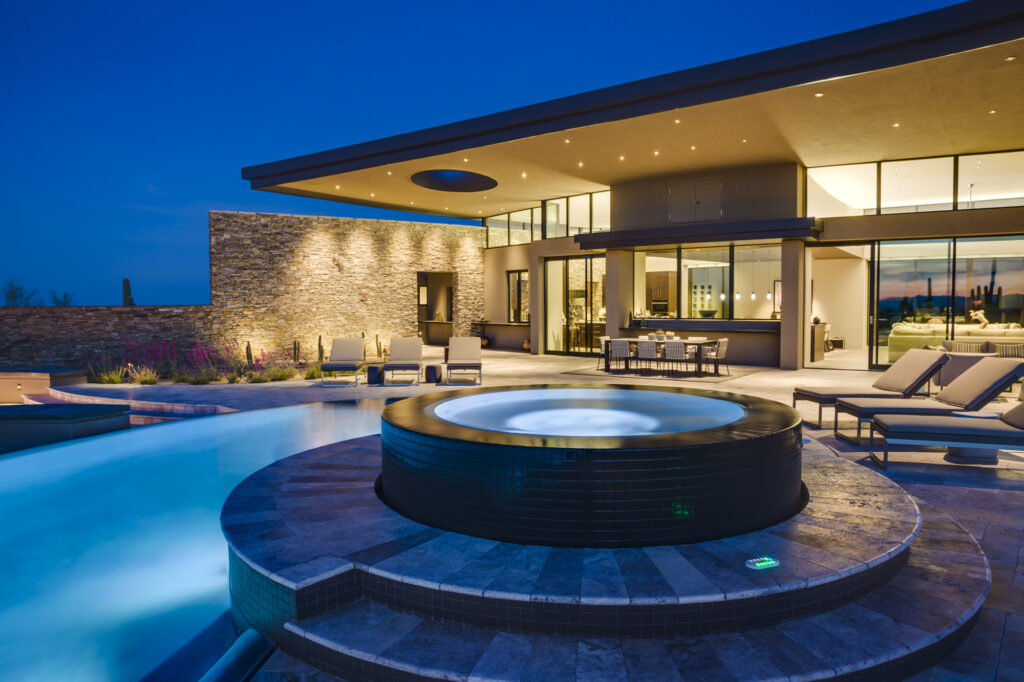
You own a rental home, so making the property beautiful inside and out is something you think about to keep renters coming in. Whether you own a house, condo or Bed and Breakfast, there are many benefits in choosing the right designs for your rental interior. investing in your rental home or vacation properties’ interior design can be a lucrative investment for both you and your renter. You’ll Encourage Renter Care You can encourage your renters to take better care of your rental home if the interior is well designed and has beautiful furnishings to make the space more decadent and fun. A residential Interior designer can recreate the plain and personality-lacking space of your rental home to make it engaging and charming. This can make your renters more likely to care for the home they pay to live in, and spend more monthly doing it! If you are renting on one of the online agencies, then this is even more important. You’ll Get Your Vacation Home Rented! Interior decorating makes the design of your home inviting, exciting and unique, which can make renters feel inclined to stick around or choose your rental property. Renters that are used to plain and uninspiring dwellings can be encouraged to renew their leases and stick around longer. You’ll Encourage Applicants Having a rental home that looks more inspiring and fun than other rental homes available will help encourage your potential renters to send in more applications. Renters that want to have a beautiful home to call their own will be intrigued by the professionally-placed and crafted designs of your rental home. If there are many other rental homes available in your area, having a prettier home can make all the difference to your renters. You’ll Encourage Competitive Rental Rates If you want to get top dollar for your rental home and a repeatedly happy renter, you need to invest some money into your home’s interior. Your Interior designer can discuss paint options, insightful accents, rugs, and other embellishments to you to make your rental home as comfortable and unique as it can be. The right renter will come along who will appreciate your efforts and pay a respectable price. Whatever your reasons are for jazzing up a rental property, you can do well to make your rental home more modern with insightful interior design. Call the team at Janet Brooks Design for a consultation today.
Let The Light In: 4 Ways To Making A Design Statement With Your Light Fixtures
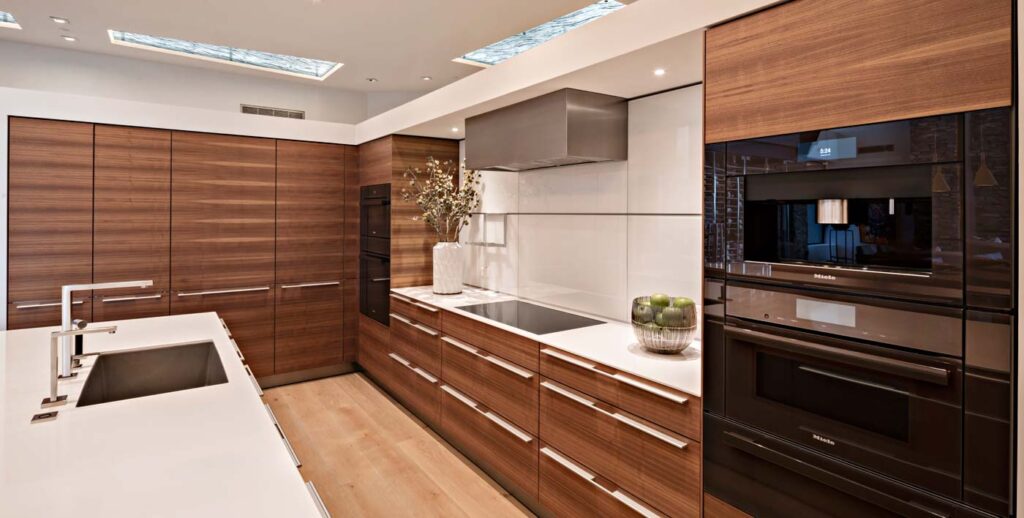
How to Use Lighting to Transform Your Home — Beyond the Statement Fixture Lighting is one of the most influential elements in a home, yet it is often treated as a finishing detail rather than a foundational design decision. In reality, lighting shapes how a space feels, functions, and is experienced throughout the day. In luxury homes across Scottsdale, Paradise Valley, Sedona, and surrounding communities, lighting is not simply about visibility—it is about creating atmosphere. The right lighting can make a space feel calm, energizing, or refined, depending on how it is designed and layered. Lighting as a Design Foundation Effective lighting begins long before fixtures are selected. It should be considered alongside architecture, layout, and material choices to ensure that every element works together. At Janet Brooks Design, lighting is approached as part of the overall design strategy. This means evaluating how each space is used and how lighting can support both function and mood. Without this level of planning, even well-designed homes can feel flat or disconnected. When lighting is integrated early, it enhances everything else in the home—from textures and finishes to spatial flow. Making the Right Statement Statement lighting can elevate a room, but it requires discipline. A bold fixture should enhance the space, not dominate it. The most successful designs use statement lighting as a focal point that supports the overall environment. It should feel intentional, not inserted. Choose fixtures that align with the architecture and scale of the room Ensure materials and finishes complement surrounding elements Use lighting to highlight key areas without overwhelming the space Maintain consistency across connected rooms When done correctly, statement lighting draws attention in a way that feels natural and cohesive. Understanding Light Intensity and Mood Not all lighting should be treated the same. The intensity and quality of light should reflect how a space is used. Dining areas, for example, benefit from softer, ambient lighting that creates a relaxed and inviting atmosphere. Kitchens and workspaces require brighter, more focused lighting to support functionality. Layering light—rather than relying on a single source—allows a space to adapt throughout the day, supporting both activity and relaxation. Scale and Proportion Matter One of the most common mistakes in lighting design is ignoring scale. Fixtures that are too large can overwhelm a room, while those that are too small can feel insignificant. Balance is achieved by considering the size of the space, ceiling height, and surrounding design elements. Lighting should feel integrated, not forced. Well-proportioned fixtures enhance a space quietly, contributing to the overall experience without distraction. A Practical Approach to Better Lighting For homeowners looking to improve their lighting, a few strategic adjustments can make a significant difference: Layer multiple light sources instead of relying on one fixture Match brightness levels to the function of each room Use dimmers to create flexibility throughout the day Select fixtures that align with the overall design direction These changes can elevate both the look and usability of a space without requiring major renovation. Designing for How a Home Feels A well-designed home is ultimately defined by how it feels to live in. Lighting plays a central role in that experience, influencing comfort, mood, and usability. For many homeowners, a successful space is one where they feel relaxed, comfortable, and fully at ease. Thoughtful lighting design helps achieve that by supporting both the visual and functional aspects of the home. When approached with intention, lighting becomes more than a design feature—it becomes an essential part of creating a home that truly lives well. Contact Janet Brooks Design janet@janetbrooksdesign.comjanetbrooksdesign.com(480) 776-2700
Small Living Room? Make it Look Bigger Using These Interior Design Tips
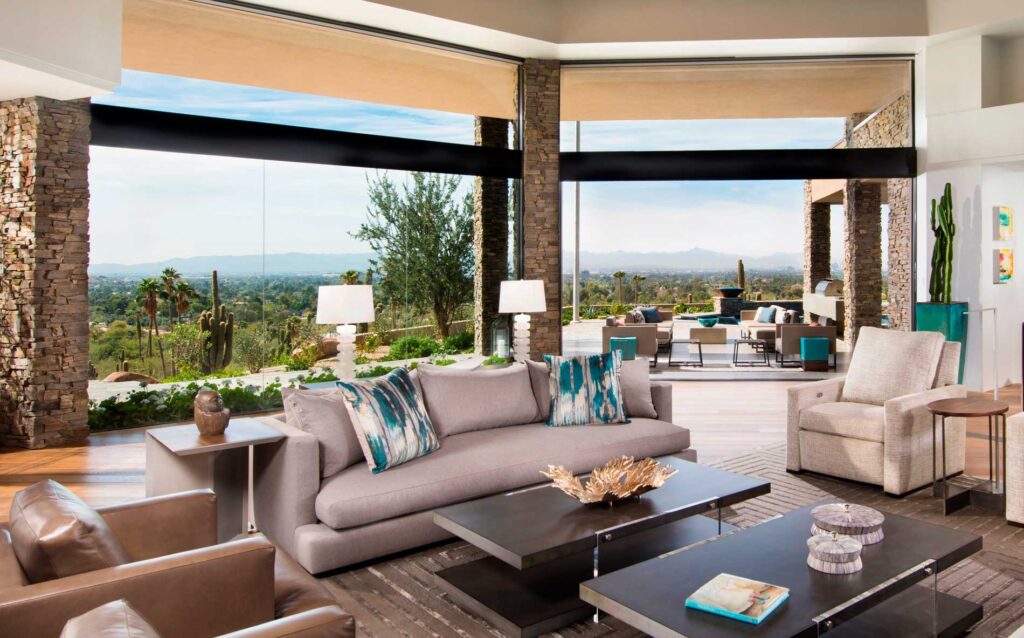
Picture this: You have a really small living room, so you’re having problems trying to figure out how to make your space look bigger. If you’re about to revamp your living room but are struggling to find ways to make the space larger, there are a few interior design trends that you should try out. Make Your Eyes Go Upward Many rooms have a lot of extra space that tends to go unused. You might not be sure what to place above your reading nook window, but you know that the blank wall can’t stay blank. One of the biggest interior design trends is getting the eye to go from the bottom to the top of a room. You can easily do this by placing small pieces of artwork in the empty spaces or install floor-to-ceiling drapes. The floor-to-ceiling aspect will make a room look larger and more inviting. Neutral-Colored Paint and Items Using neutral-colored decor will allow the space to appear larger than it actually is. Off-whites and beiges can make the walls look pushed-back. Softer colors will bring light into the room, which instantly makes it look a lot larger. Plus, the old trick of implementing mirrors in strategic places will extend the space as well. Be Choosy about the Furniture Even if your room is extremely small, that doesn’t mean you can’t incorporate furniture in the area. Choose a sofa with no arms or extremely thin arms. If the space is too small for a couch in general, choose a chair or a loveseat instead. Decorating a small space may be a challenge, but it doesn’t have to be impossible. Give Janet Brooks a call today to help you polish your design look.
3 Beautiful Benefits of Stacking Patio Doors
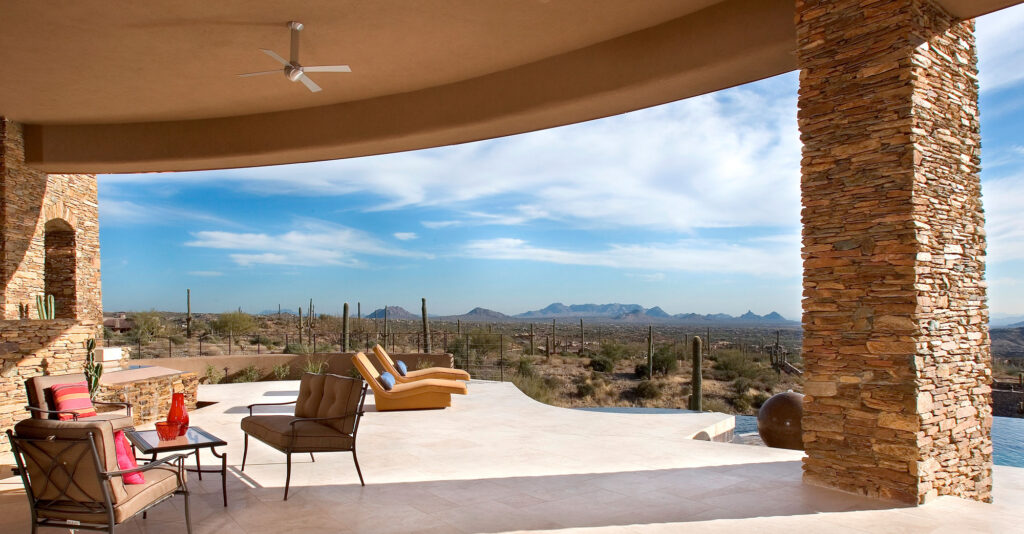
Stacking patio doors, or doors that fold away into a recess in your patio wall, are the latest rage in home renovation. The ability to turn full floor-to-ceiling glass walls invisible by tucking them completely out of the way can revolutionize your patio entertainment space, creating a smooth transition from indoor to outdoor. Here are three beautiful benefits of implementing such a modern design feature. Seamless transition: Imagine throwing a party on your deck or patio: If you have sliding doors, you’ll have to drag the heavy glass back and forth each trip. When the night is over, the process must be repeated as the party retreats indoors. With stacking patio doors, all of that stress melts away. Not only is the physical work significantly lessened (since you can just use your nearby interior living room furniture as your patio furniture), but you actually gain natural light — with no window and door frames or walls to separate you from the glorious sun, you’ll be able to welcome the indoors outdoors, or vice versa. Great for Arizona heat: Arizona is famous for its dry heat: although able to reach very high temperatures during the daytime, the lack of humidity means that shaded areas are significantly cooler and much more comfortable. Stacking doors can ensure that you still have a roof over your head providing shade while also allowing you to benefit from the beautiful Arizonian weather — you no longer need to choose between oppressive heat and freezing air conditioning. Unhindered views: Arizona is as well-known for its landscapes as it is its heat. With expansive vistas displaying endless mountain ranges and flat, cacti-covered red plains, it would simply be a waste not to open your home up to its unique beauty. Stacking doors can merge your home with this natural environment, offering unspoiled views of the surrounding regions. You’ll no longer have screen windows and door frames when you install stacking patio doors in your house. Home design has never been so innovative. Decorating your home can now be as easy as decorating your patio, as stacking doors allow the two to become one. Specialized design trends such as this are expected to increase 20% over the next 10 years — don’t be left out; install stacking patio doors in your home today.