

3 Benefits of Hiring an Interior Designer
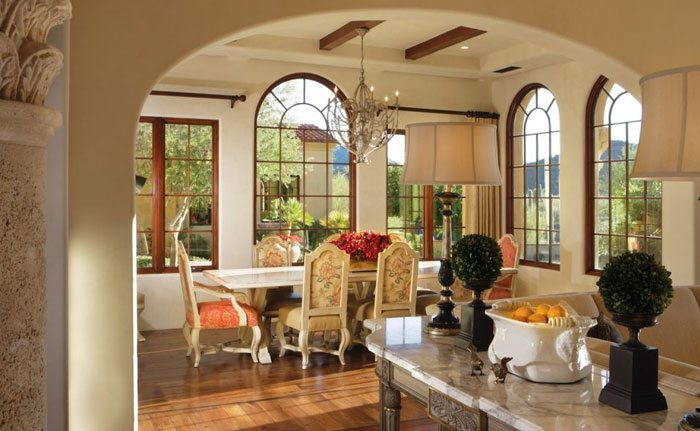
Picture this: you just moved into a new house and all of your rooms are empty. Sure, they’re soon going to be filled with your furniture and boxes, but you’re stuck on the idea of how to actually decorate. You’re aware of all of the ideas out there, like the ones on Pinterest and other decorating inspiration sites, but you don’t think that you’d be able to do a great job by yourself. If you find yourself in this situation, you may need to hire an interior designer. A designer can help you beautify your space and take the stress of creating a perfect room off of your shoulders. Along with stress relief, there are so many other benefits of hiring an interior designer. First, it’s a surprisingly great way to save some money. Since an interior designer is a qualified professional in the field, they know exactly what they’re doing and how to avoid any potential mistakes. If you were to do all of the work yourself, you could end up costing yourself more money than saving it. If you don’t know how to properly hang pictures on the wall, you may suffer from more than just bad taste! Little mistakes can end up costing you in the end, and they’re easily preventable with the help of a professional. Next, a designer has access to a wide array of resources, which is something you might not be able to get on your own. Interior designers work with different brands and companies and have built different relationships with their owners. Since they have those contacts, the interior designer might be able to help you get that living room set from France that you’ve been lusting over. Without the help of a professional, it might be really hard to get exactly what you want. Finally, hopefully, the interior designer you choose will be trained in his or her profession. The interior design industry generates $10 billion in revenues annually, just make sure your choice in a designer reflects your style. They should be open to conversation, your ideas and help you to see in your minds eye exactly what you want. A professional will lead you and excite you to make creative and innovative choices. If you just bought a new house or are moving into a new space, consider giving us a call at Janet Brooks Design. We are here to help you create the space of your dreams.
A Few Design Trends for Spring and Summer 2018
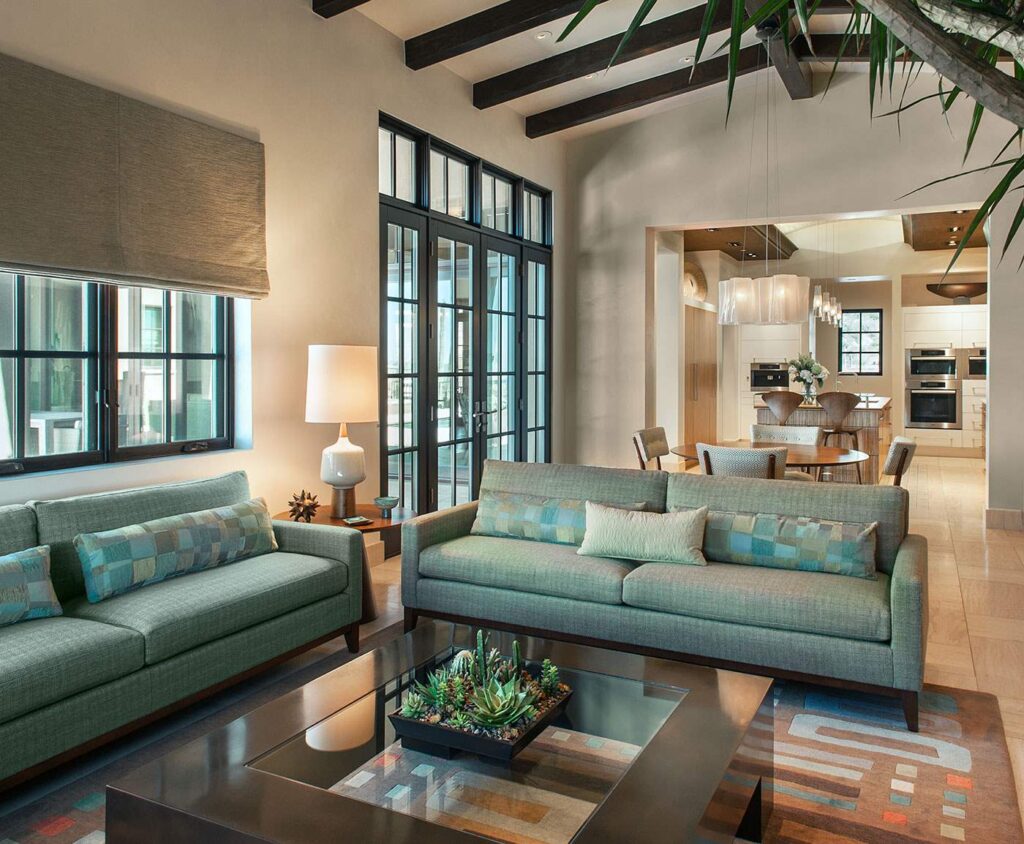
We believe that decorating your home is one of the most fun parts of owning it. Interior design allows you to explore your style and experiment with the space, which allows you to truly show off your personal style. Happiness expands when you live in a space that is unique and reflects who you are. In fact, studies show that the most popular definitions of a happy home are a space where you feel secure (69%), a place for relaxation (64%), and a space where you are free to be yourself (57%). Even though you might have an idea of what you would like to do to your living space, it’s always good to have some other options. Every year new design trends emerge, giving people great ideas to decorate their homes. Here are a few spring and summer design trends for 2018. Pastels/Ice Cream Colors I scream, you scream, we all scream for ice cream…paint? Ice cream and pastel paint colors are all the rage right now. They are currently a huge trend in both the interior design world as well as the fashion world. People are painting their walls with pastel blues, purples, and even oranges. Some people are brave and paint an entire room with one of the ice cream colors, while other people stick to just painting one of the walls. Either way, it’s a great tip for bringing some light, fun, and character into one of your home’s rooms. Plants If you’ve logged on to Instagram in the past three months or so, you’re probably familiar with minimalistic interior looks featuring a lot of greenery. People love incorporating plants in their home decor because it adds a feeling of life and light to a potentially boring room. Plants don’t have to cost a lot of money, so you can easily have a bunch in your house for a very reasonable price. You can easily pair the plants with a textured rug, a fun colored couch, or a minimalistic side table. Gold A trend that has made its way over from 2017 but is still going strong is incorporating the use of gold. Gold is the perfect metal if you want something soft and elegant, unlike the harshness of silver. You don’t have to overdo it on the gold, as you can use it as an accent color throughout your home. For example, you can change your drawer pulls to gold knobs, bring some gold picture frames into your living room, or pick out a gold floor lamp for your bedroom. It’s definitely a color that won’t go out of style. New trends are constantly popping up, it just takes some experience and style to reflect your style and make it work in your space. Call us today for a consult.
Choosing the Right Interior Designer for Your Dream Home
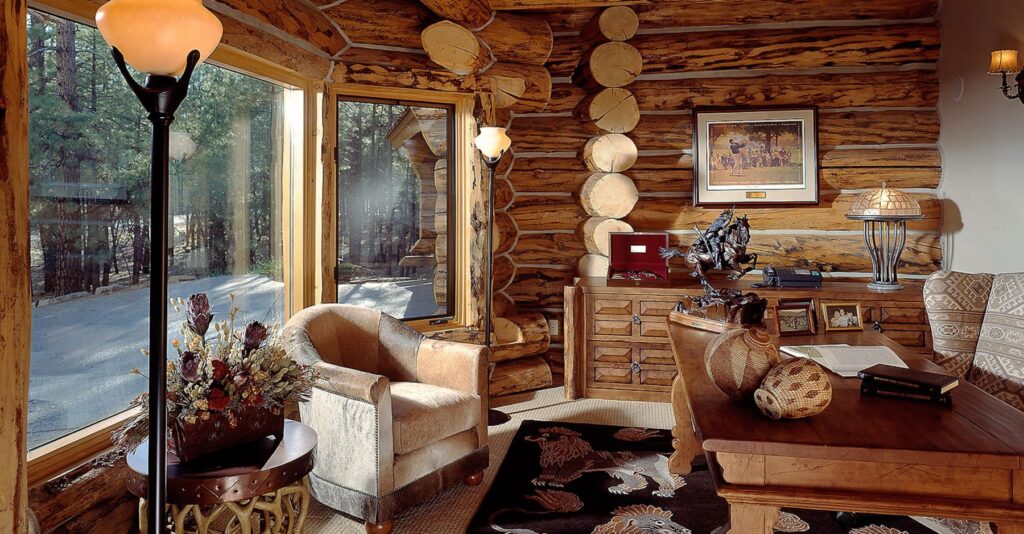
Read the Full Interview New Mexico Homes Interview with Janet Brooks For some people, the idea of designing and decorating the space you live in is just too much. That’s why we sat down with Janet Brooks who owns and manages Janet Brooks Design to get the insider scoop of choosing the right interior designer for you. Questions You Should Ask Your Interior Designer: Find out if the designer is familiar with, or has done other projects in, the style the homeowner is looking for. Get a sense of the price-range of the projects the designer usually works in and make sure that is a fit. Ask if the designer is personally involved in each project, or if he/she delegates projects to Jr. Designers Get a feeling for the designer’s current project load, and if he/she will have time in the schedule to give your project the time and attention it will require. Ask to talk to previous clients about the experience of working with the designer. Qualities a Qualified Interior Designer Possesses? An interior designer must have good Organization Skills for all of the details we are responsible for. Intuition in order to instinctively know what our clients want. Flexibility to be able to change direction mid-stream if needed, and of course Creativity, Creativity, Creativity.
How to Design a Lighting Plan
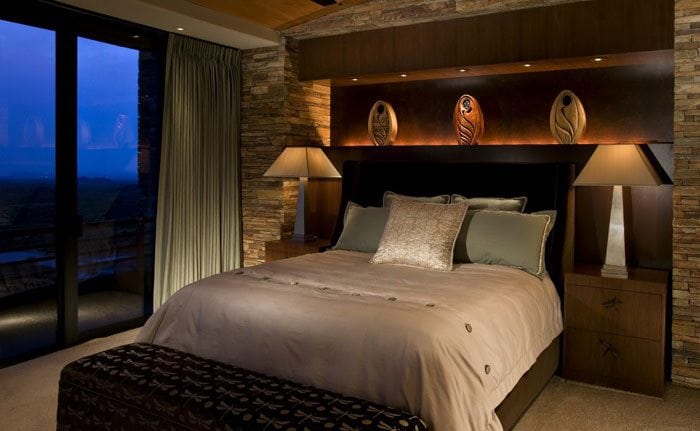
It’s the first thing we do in the morning once our feet hit the floor. We flip the light switch. Then it’s the last thing we do at night. And then we use light for just about every activity in between. Light is fundamental to our lives and most of us take it for granted. However, we primarily recognize lighting when it is either poor (hurts our eyes or we can’t see) or it is beautiful – when the glow of a warm lamp falls on a cozy couch layered with pillows or an uplight hits the angles of a piece of artwork just so. Then we sigh. We look in awe and say “Wow” beneath our breath, and we enjoy it. This leads to the point of this post. When designing your lighting plan, you have to consider both aspects of lighting, functionality and beauty. Long gone are the days where having one bright light in the center of each room was enough. You must think about lumens, color, shadows, task lighting, mood, and a host of other factors to effectively light your space. And part of that effectiveness is your budget and saving as much money as possible while still getting the effect you deserve. This means starting on the right foot with a reputable lighting supplier and partner, but also taking some time to think about your lighting needs. Here are some things you should consider when designing your lighting plan. Room Inventory What is in each room? What do you want to highlight or downplay? What are the unique shapes of the room? Where does the natural light come in during different parts of the day? What happens in each room? This brings us to task lighting. Take a few moments to consider what will happen in each section of the room. Is there a desk that will require a light for working on the computer or writing out letters? Are there areas of the kitchen counter that will need more light for chopping fruits and vegetables? What about the living room? Do you want a space that can function as a family game night room and a cozy reading area? The answers to these questions determine whether you need accent, ambient, task lighting, or a combination. Many designers now think of their lighting needs in layers. Recessed LED cans for the ceiling provide a lot of light when you want it, and can be dimmed for relaxation. Chandeliers, bar lights, sconces, floor lamps, table lamps, and small spotlights may be the “seasonings” you put in each room for personality, function, and mood. Color of Lighting Lighting color has a few different aspects. There is the color of a light, like red, green, or blue LED strip lights. Then there is the color temperature of a light which ranges from warm to cool. Think of a spectrum with UV light on one end and Infrared on the other. The color spectrum is everything in between. You have probably noticed it with things like headlights. Older lights are yellow and newer lights are bright white and even blue-toned. It’s the same with bulbs for inside. The color temperature is measured in Kelvins. 2000-3000K is warm white. It evokes an ambience that is cozy, calm, inviting, and intimate. Traditional lighting like incandescent bulbs, a favorite among designers for their golden tones, sits in this range. Next is the 3100-4500K range which is bright white. This is vibrant and cool. Finally, we have the 4660K to 6500K range which is very crisp and mimics being in direct sunlight at noon. LED light bulbs can be ordered in the full spectrum making them ideal for homeowners and designers to have a nearly unlimited selection. Take these points into consideration before any renovations or a new build. Author bio – Gilbert Cabrales has been with CS LED since its inception in 2008, first as an employee and then as a valued partner. Gilbert has vast experience in both lighting and electrical work and has a unique method for collaborating with his clients. He doesn’t stop at the sale. Instead, he works to truly connect with his clients and remains a resource throughout the lifespan of each one of their lighting projects. From design to implementation and beyond, you can count on “Gil” to deliver LED expertise and true partnership capabilities.
3 Simple Ways to Decorate a Small Space
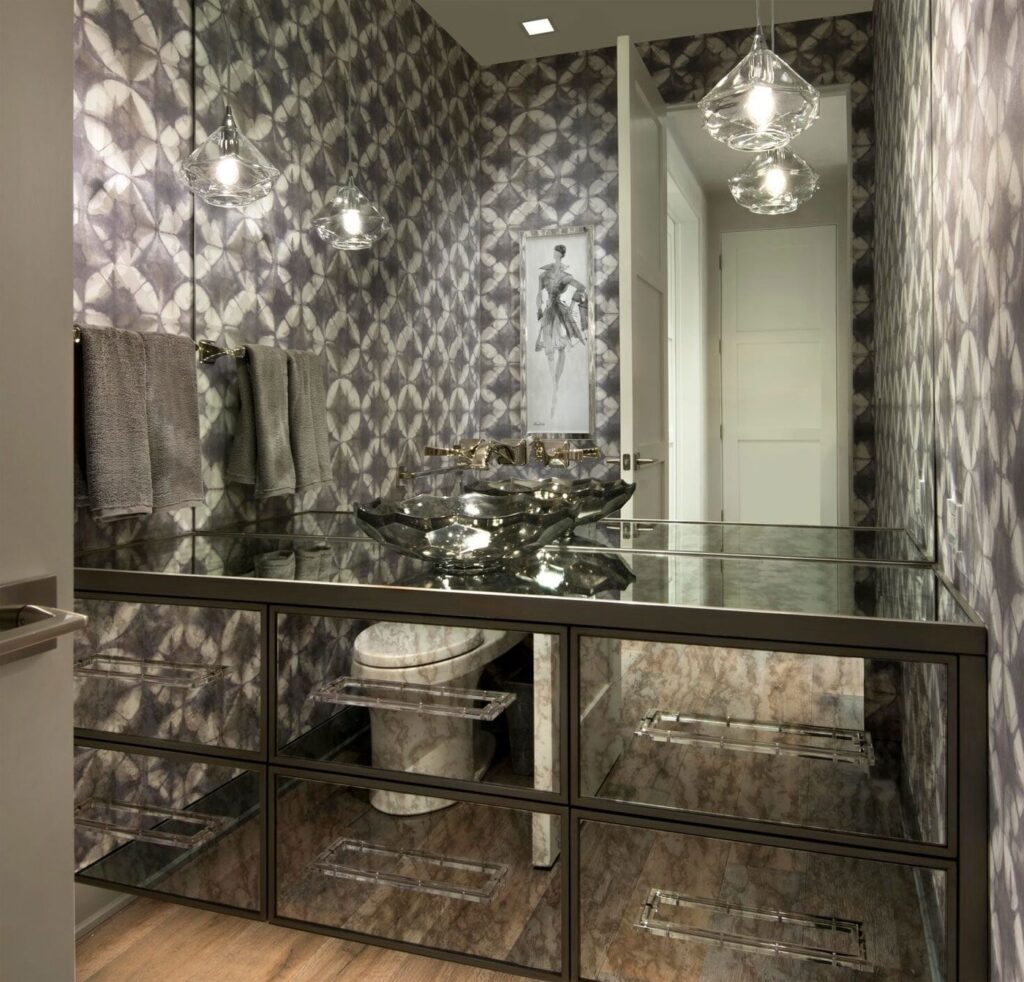
It would be a wonderful premise if each space that you lived in expressed the individual style of the person who lived there. Some personalities call for bright colors, while some people feel good in darker shades or cozy hues. What’s more, living spaces range in sizes, and while decorating a large room can possibly provide you with more creative freedom, sometimes it can be challenging in a smaller area. Below, please read more about some simple interior decorating tips for small spaces and even small apartments. Remember, there can be a statement in the small! Segment One Big Room it Into Smaller Rooms For those who live in studio apartments or smaller spaces, try transforming your single, large room into a few different rooms with the use of spectacular rich material or room separators. Give each area a specific purpose and decorate sparingly. For example, if you want to put your “bedroom” by the window, place your bed in the corner of the room and put a bench at the foot. On the other side of the bed, you may want to place a fun or elegant room divider providing you privacy. Utilize Your Unused Spaces When you have a small space, it might look like there’s nowhere to store anything. However, there might actually be more space than you think. Force yourself to look around your apartment and see what unusual spaces you have. If there is a blank wall you think you can utilize, hang some floating shelves for storage and decorative purposes. Floating shelves are perfect for storing books, movies, bags, and for holding storage bins. You can also invest in under-the-bed storage containers. They may be thin, but they can hold more than you think. Don’t Go Dark Darker rooms tend to look smaller on their own. However, if your space is already small, it’s going to look even tinier. If you were to paint your walls dark purple, it might give you the cozy-feel you’re going for, but it might also make you feel trapped. Choose a lighter color or neutral tones to open up the space. Coming up with designs for a small space may seem difficult, but it isn’t impossible. Until next time, explore and enjoy, from the experts at Janet Brooks Design Firm.
A Few of Our Favorite Decorating Tips for Open Floor Plans
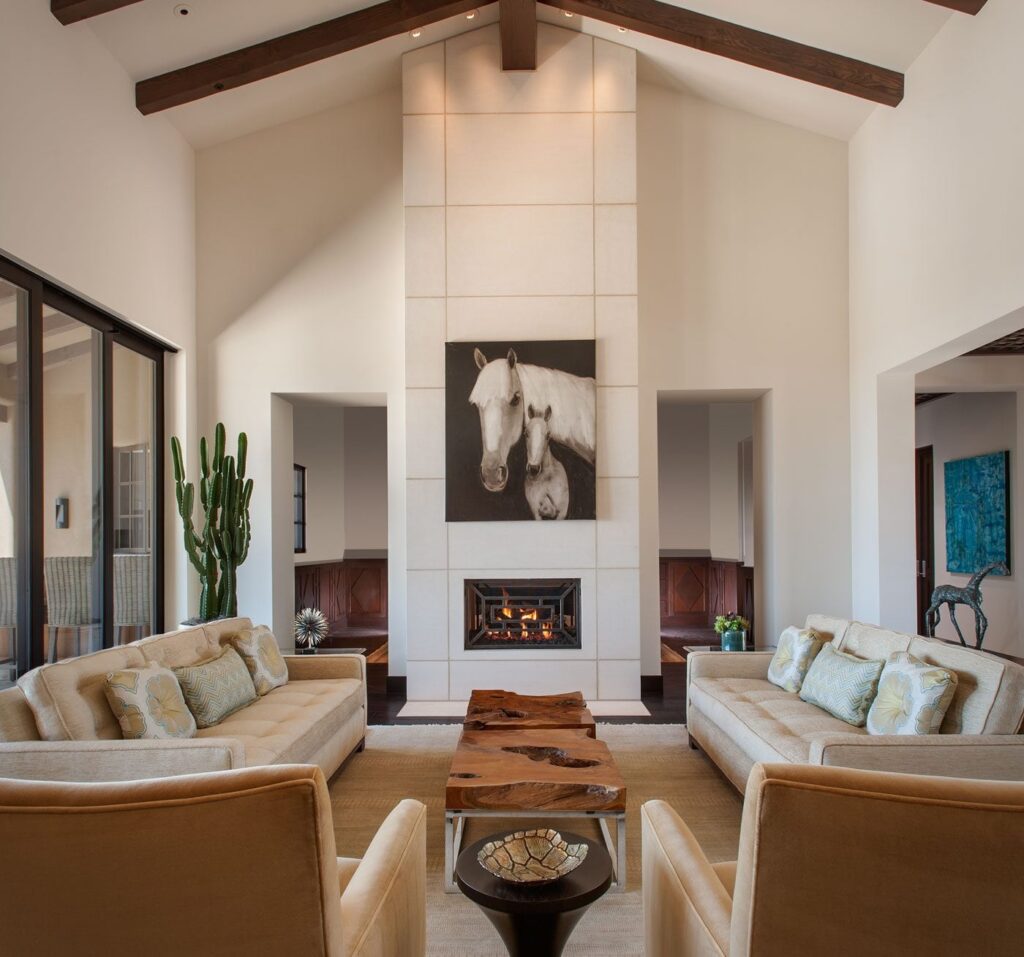
If there’s one thing potential homebuyers love, it’s an open floor plan. Not only do these floor plans signify a step into modernity for many homes, they create open, inviting spaces for all. But how are you supposed to decorate a home with an open floor plan? That’s where we come in. Call Janet Brooks design to set an appointment and we’ll create a custom interior design, that speaks to your tastes. For now though, below, please find a few of our decorating tips for open floor plans. These tips can get you started to help you create a great open floor home plan. Start with Symmetry Sometimes an open space can seem too open if you’re not furnishing it effectively. One of the best ways to avoid that empty, echoing feeling is to create balance across your space. Doubling up on couches and accenting the area with a big dining table can bring an instant look of symmetry to your space. If you’re worried about adding personal interior decorating touches, there’s still space for that! Balancing the bigger elements in your open space gives you more license to break up that symmetry with smaller accents. Adding an odd number of candles on your coffee table or a statement piece in a single corner can provide contrast in the larger, balanced picture. Craft Your Corners Wisely Corners are your best friends when it comes to decorating your home with an open floor plan. These areas give you the opportunity to craft small spaces for specific purposes. Case in point: the cozy reading corner. This is an especially enticing decor idea if you have two walls of windows that meet in a corner. Not only are you provided with lots of light, you’re given the opportunity to add the coziest blankets and pillows on your reading furniture. Another corner in your open floor plan may be completely different, but that’s the beauty of the openness. Each corner may serve a different purpose, but the open design and your personal style can tie everything together. Create Stylistic Connections The vast majority of open floor plans combine the living, dining, and kitchen areas into one space, which means there should be a sense of stylistic consistency throughout the area. It’s a fine line to walk. On one hand, you could go for a completely monochromatic look while decorating, but where’s the fun in that? Instead, choose large anchor pieces (dining table, sofa, kitchen island) that complement each other. Your unifying elements should be smaller accent pieces. For example, if you want the color red to be your unifying element while decorating, you should incorporate it in small splashes. These splashes of color could be in patterned pillows or floral arrangements. There are plenty of ways to bring out the beauty in an open floor plan. Call us today to help you design the space of your dreams.