

Arizona Interior Design for An Inspiring Life
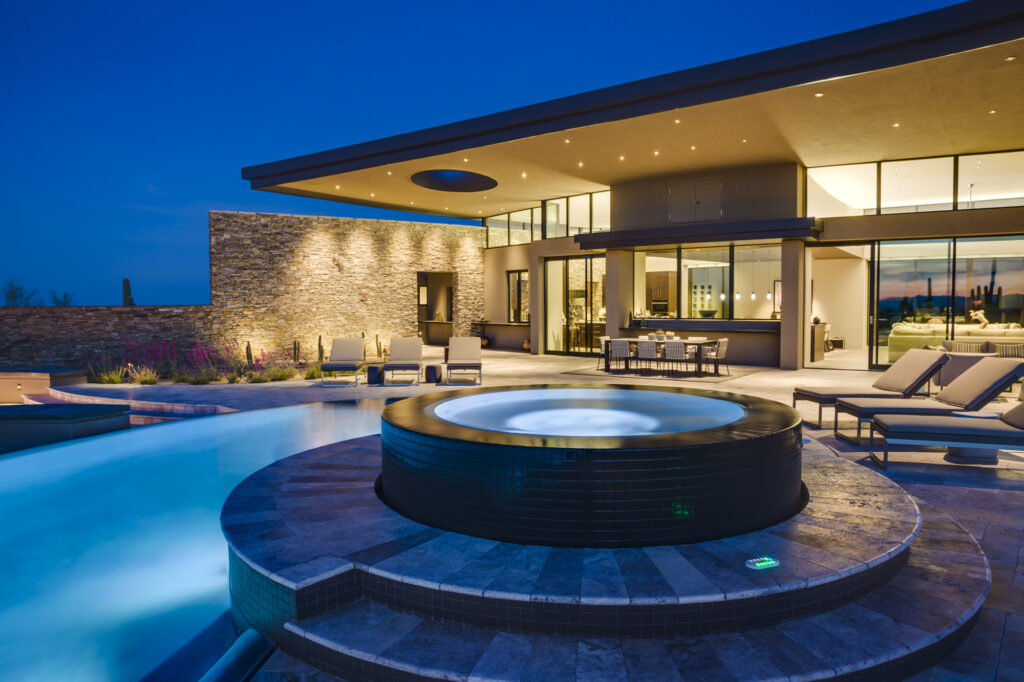
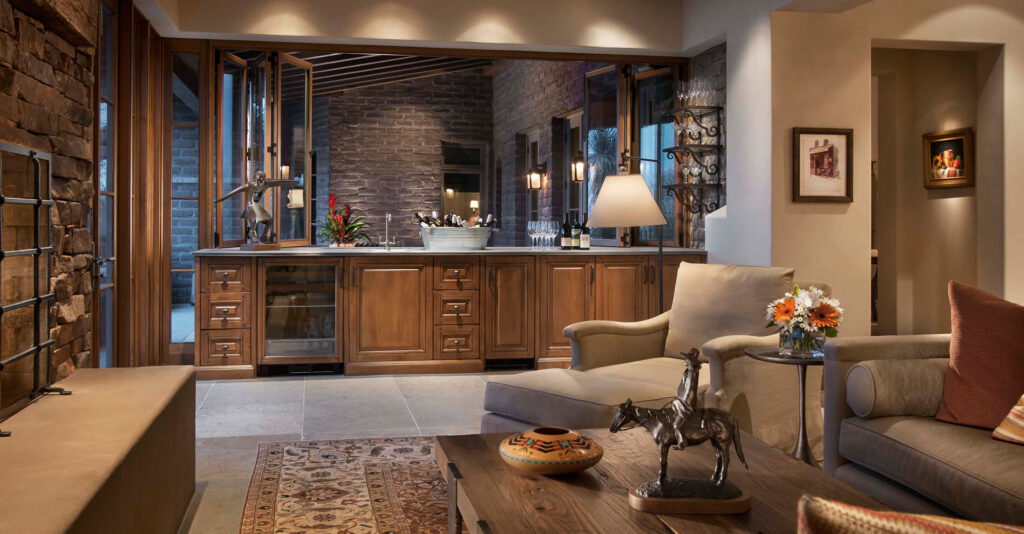
Living in Arizona is a beautiful thing. With a vibrant culinary scene, arid climate, lots of great golf and lovely natural landscapes, While Arizona has much to offer, during the summer months, Arizona interior design can present specific challenges for keeping your home cool, relaxing, and comfortable. In addition to central air and the almost required swimming pool, creating a welcoming and comfortable indoor-outdoor space can be important as well. Arizona homes are unique in that so many have non-standard designs and indoor-outdoor spaces that are built in. These spaces work well when you want to enjoy the outdoors, but still feel some of the cool air from inside the house. They are often interesting spaces with unusual architectural and interior decorating features. Research has found that respondents define a happy home as a secure space (69%), a haven for rest (64%), and the place where you can feel most free to be your authentic self (57%). Your indoor-outdoor space should match these criteria as well. These areas tend to serve as home retreats and their decor should reflect their special nature. Below is some inspiration for decorating your own indoor-outdoor sanctuary. These spaces can be subject to the elements, so most decor should be able to withstand high heat, winds, rain, and bleaching from the sun. Many metals and other heat-absorbing materials should be avoided as they may heat up in the sun and become burn dangers. Arizona is known for its vibrant use of color and your indoor-outdoor space need not be an exception. However, if using bright colors, consider the placement of your bright items and how they are made, to avoid the sun washing out your colors. These pieces might be placed under a covered section of your indoor-outdoor space or constructed of materials that are resistant to fading in the sun. As your indoor-outdoor space will likely become a favored spot for your family and guests, it’s interior decorating should get as much love as the rest of your home. Note also that demand for specialized interior design capabilities, like Janet Brooks’ Design team, are predicted to grow by 20% over the next ten years. Niche home design is becoming much more common and much less niche. When appointing your indoor-outdoor space, be sure to include comfortable seating; hard surfaces won’t do for this relaxing area. Consider a bar, either just inside the area or outside under the covered portion. The trek to your next margarita should be a short one! And, it doesn’t hurt to have plenty of water at hand to keep your loved ones hydrated and cool. Give the interior decorating team at Janet Brooks Design a call today to explore design options for your indoor-outdoor space.
Designing For The Desert: 5 Tips To Match Arid Surroundings
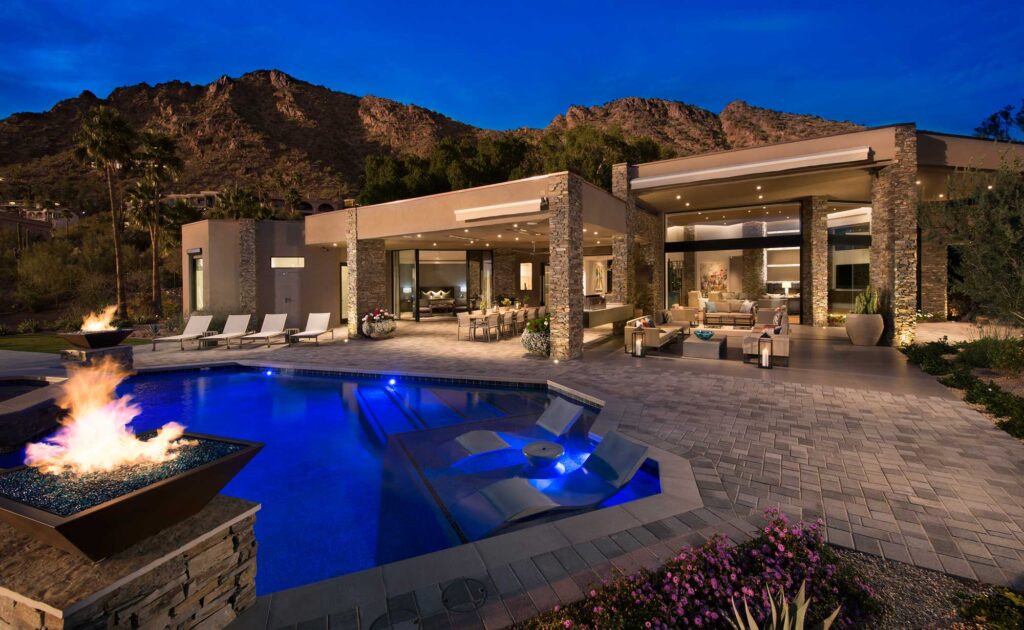
Living in the desert can be a wonderful experience. From wonderful sunshine to warmer temperatures year-round, the lifestyle in the arid climate can leisurely and relaxed. When it comes to design inspiration, you’ve got an endless supply to choose from: desert cacti are varied and sprout vibrant flowers in this summer, earth tones surround you, and the bright sunshine can aid in creating a wonderful look and feel. Let’s take a look at five interior design trends that residential home designers recommend incorporating into your desert home. Shade: When you are designing in the desert, keep in mind, the summer can be incredibly hot and dry. With temperatures that can climb into the 120’s creating a shaded area is essential. Deep overhangs and verandas do more than just shade an outside sitting area, they keep the interior cooler by acting as a buffer from the sun. Exterior materials: When it comes to flooring, go for cool, natural finishes like stone and adobe. Be sure to keep your paints lighter — they won’t fade in the sun, and they’ll help keep the indoor temperatures more bearable. Wood is not a good choice because of the seasonal monsoons; the fluctuating temperatures mixed with water cause the material to warp and decay. Light: Deserts experience the most sunshine in the world. By installing floor-to-ceiling windows, you can take advantage of this natural light. Adding window coverings and modern blinds however, can add to the design look and feel creating a space that you will love to be in and out of the sun. Colors: Consider the colors of the desert. Dusty sage, unbleached linen, and pale rust all provide a cool feeling while still replicating the aesthetic of the sun bleached region. At the same time, you can introduce pale pinks, marigolds, lilacs, and mauves. Whether you’re a millennial looking to make this desert home your own, or are retiring to warm sands and want an interior decor to match, you have plenty of freedom when it comes to decorating. Give the team at Janet Brooks Design a call today to to explore your own unique home design look and feel. 480.776.2700.
Interior Inspirations: Historic Mansion In Charleston Mixes Classic Architecture With Modern Design
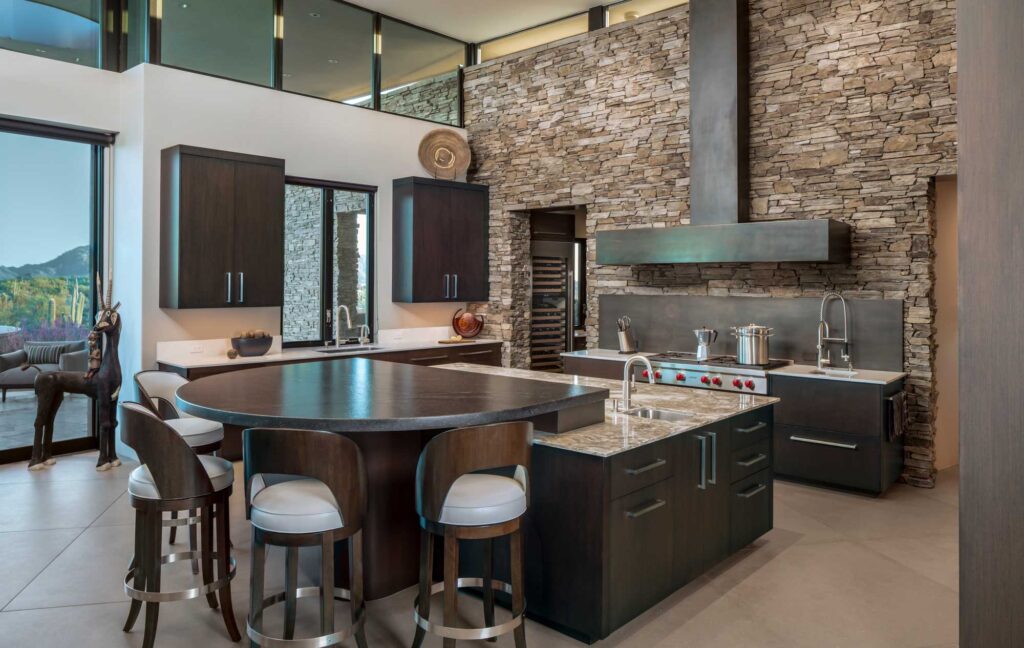
With an industry that generates around $10 billion in annual revenue, interior design is never short on ideas. Whether you want to extend one masterfully planned decor theme throughout your entire home, or are looking to mix and match styles to give your space some attitude, Janet Brooks Design will help you make your interior design dreams come true. When a historic mansion in Charleston, South Carolina’s South of Broad neighborhood landed on the market with a $13.85 million price tag, we know the sellers had some help designing the luxurious abode. At a staggering 7,800 square feet and boasting five bedrooms, four baths, and two half-baths, this estate effortlessly combines the warmth and rusticity of southern charm without sacrificing any of the creature comforts we’ve gotten used to in this technological age. The modern kitchen has two of everything: two islands, two sinks, two dishwashers, a double refrigerator/freezer combo (with its own built-in coffee maker), and a double Wolf oven, so that no one needs to worry about bumping into each other when they’re hard at work preparing dinner (or entire dinner parties). In fact, doubles seem to be everywhere: from the uncommon and expected double sinks in the master bath to the surprising pair of washers and dryers in the highly modernized mudroom (which even contains a pet shower to prevent pesky paws from tracking dirt into the home), this home leaves no luxury behind. All of this pristine technology is balanced by the sophisticated charm the house exudes. Light penetrates every corner of the home while soaring ceilings make it seem larger than life; combined with “museum-quality” wood finishes, exposed beams, and brick walls — not to mention the velvet-walled library –, this mansion embodies a paradox: it feels cozy and intimate yet possesses massive, open rooms and towers over others in the neighborhood. Consider this historic abode (which was built in the 1830s) a lesson in what to do right. Use it as inspiration for your own “southern rustic” design, and call the team at Janet Brooks Design. a knowledgeable and experienced residential home designer to help you make your dreams a reality. Please visit our gallery to get an idea of what design tastes, colors and interior design looks you love!
Don’t Make These Common Living Room Design Mistakes
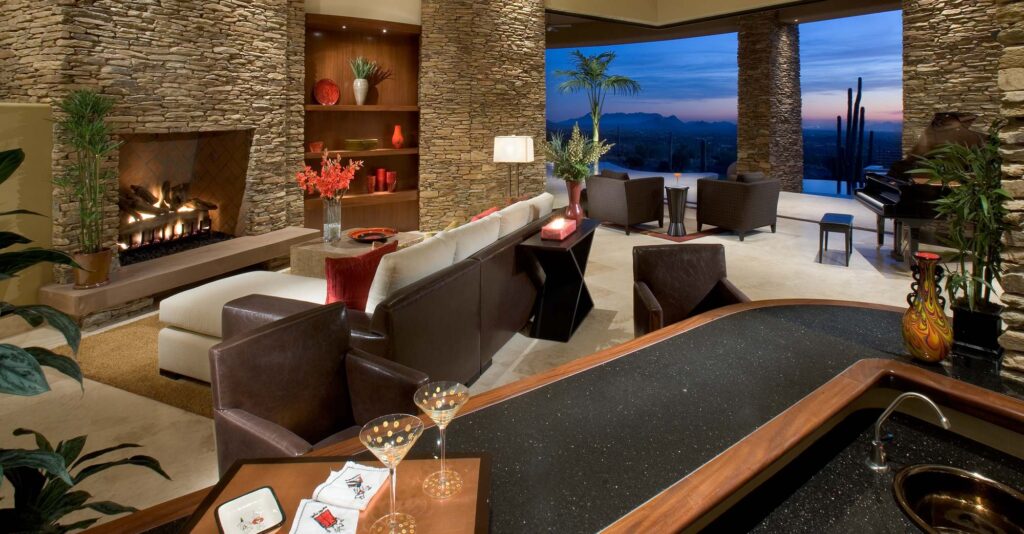
It’s no surprise that the interior design industry generates $10 billion in revenues annually. Homeowners love to work with the top interior designers to make their visions come to life right before their eyes. Of course, working with residential home designer is an important and essential decision, you should in all cases, be aware of some design mistakes that can impede the look of your overall space. With that in mind, here are just a few living room design mistakes to avoid at all costs. Not Using the ‘Golden Ratio’ Rule First, most of the top interior designers agree that the ‘golden ratio’ rule results in the most aesthetically pleasing and comfortable setup in living room design. The golden ratio rule essentially says that your living room furniture arrangement should follow a 2:3 ratio. This means that between your couches, chairs, area rugs, and coffee tables, proportions should generally be a two-thirds proportion. For example, if you have a large couch, get a coffee table that’s two-thirds the length of it, and so on. The golden rule has been shown to have a visually appealing effect on the overall design. Not Considering Future Plans Next, don’t forget to think about more than the present when considering the layout you prefer. Over half of 60+ households are planning to age in place, and many are modifying interiors with this in mind. That being said, if you’re planning on living in your home for the long term, you’ll have to incorporate this into your design scheme. Fortunately, there are plenty of ways to modify your home in a way that makes it safe and comfortable for residents of all ages. Leaving Too Much Open Space It may seem logical to want to use each and every inch of space your living room has, but doing so often creates a distanced look and feel. Don’t assume that your couch and furniture has to be placed along the edges of your walls to create open space in the middle. Instead, if your living room has a large space to fill, arrange multiple focal points around the room, like around a coffee table, fireplace, or television. Ultimately, living room design is different for each and every home, so don’t hesitate to experiment until you find the arrangement that’s picture perfect for you. For more information about interior design home decor, contact Janet Brooks Design today.
How to Keep your Home Looking Timeless With Design
Over one third of all renovations take over the whole home, not just the master bathroom or pool house. It may be tempting to replace outdated shag carpet with wood floors or to swap patterned wallpaper for stripes, but exchanging one fad for another just creates a cycle of constant renovation and redecoration. Interior designers agree that your home should be timeless, classic, and represent your own tastes. Here are a few tips to give your home an update that will never go out of style. Experiment with Accents, Not Big Pieces Do you like the Southwestern Boho aesthetic, replete with fringe? Great! But don’t immediately cover an entire wall with Chevrons or install exposed wooden beams. Such trends may be lovely now, but they may not reflect your personal tastes 10 years from now. If you still want to try the latest styles, incorporate them with throw pillows, blankets, rugs, or non-permanent ornamentation. This can allow you to have an up-to-date and fashionable living space while giving you the flexibility to overhaul if your tastes change. Work with a Residential Home Designer Top interior designers can make suggestions to keep your home looking fresh and attractive. If you plan to eventually sell your home, they can also suggest designs that will be appealing to home buyers. Quality residential home designers can help you balance your desire to bring in new trends while also finding pleasing, classic pieces. If you are dead-set on antique-like bronze lighting fixtures, your residential home designer can find a way to incorporate it in a way that it won’t look dated later. Go with Classic, Quality Designs As with clothing, the best styles in home decor are classic and a reflection of the owner. High-quality wooden furniture is like a little black dress — it looks good in all situations. Likewise, neutral walls and furniture allow you to play with your favorite accent shades and colors. One-of-a-kind pieces and antiques (note: not just outdated pieces) can give your home some individuality and flair. When in doubt, quality should always be your number one priority. Ultimately, there is no one right way to decorate a home. Creating a classic base gives you a great opportunity to develop your own design. In the end, the opinion that matters most is your own.
Easy Interior Design Ways to Make a Statement in Your Home
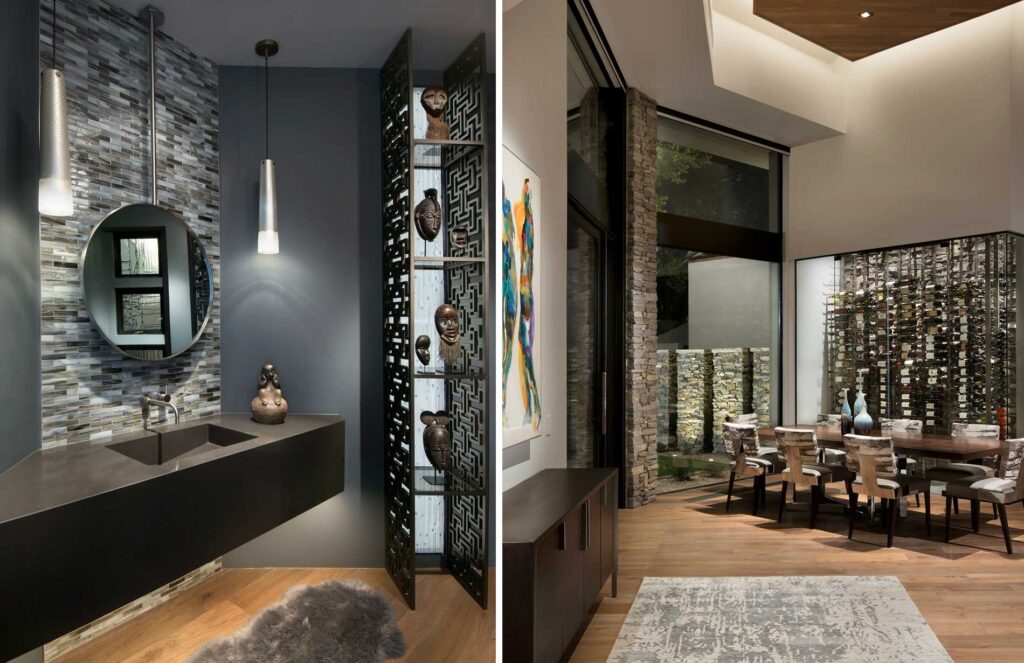
Decorating your home may not be the easiest thing to do without a professional interior designer, but if you utilize a few simple décor pieces, you can change the look of your space. Please read about a few ideas. Accent Walls An accent wall can really spice up a space with a few coats of paint. They work perfectly in any room like the kitchen, bedroom, and bathroom, and even work in a more unusual place like an entryway. If you don’t want to make the wall bright and bold, consider something neutral that will give the space a bit more depth. But if you are feeling bold, choose a dramatic wallpaper. Pillows Patterned pillows are interior design pieces that can be used in any room in your home. You can match them to any room or mismatch them to make them stand out a bit more. They can make a simple chair look less plain or make a bed look luxurious. Since pillows are so easy to switch up, you can change them out depending on the season. Area Rugs An area rug will not only warm up a space and reduce the echo, but it can act as a statement. If you don’t want to invest in colorful furniture, an area rug is an option. Look at an area rug as artwork for your floor, especially if it is a rental space. There are so many designs and colors to choose from; the options are endless. Of course, these are just a few options to aid in your design. A try interior design takes strategy and a analysis of your unique tastes. Call us today to create a long lasting look for your home.
Kitchen Revamp Ideas to Discover This Summer
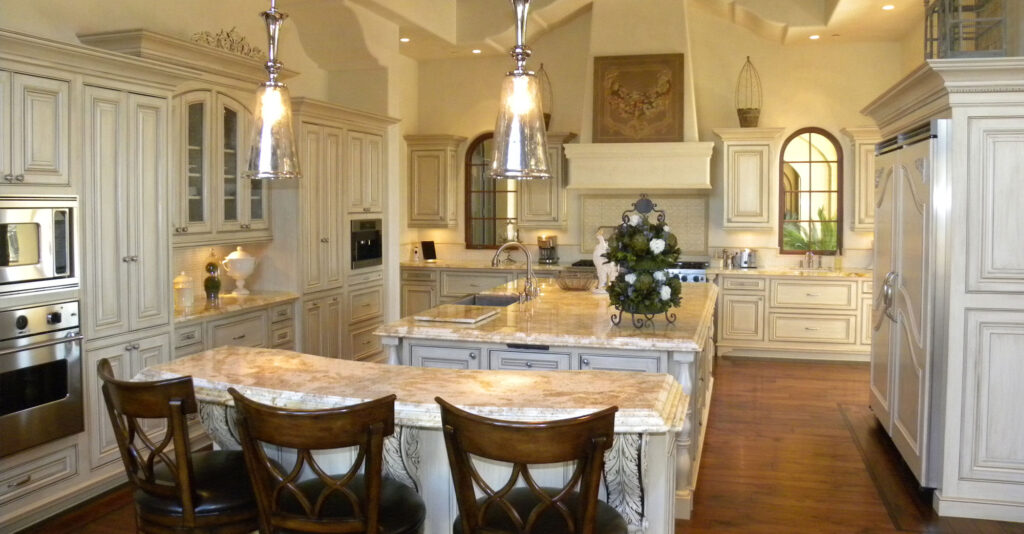
Summer is upon us in Arizona, so now is the perfect time to give your kitchen a fresh new look. If you’re interested in making changes to your kitchen this summer but don’t know where to start, keep reading. Come Up With a Theme Before you do anything you need to come up with a theme. This theme will be what you base your decor, paint color, and appliances around. If you are remodeling during the summer many people choose to go with a warm, bright, lively feel. You can go along the lines of “green summer” by splashing the walls with yellow and bringing in some fresh plants. Or you can give it a “Mediterranean” feel with blues, and whites. Beat the Heat and Bring in the Light Brighten your home design with the help of colors and windows. If you don’t have many (or any) windows in your kitchen, consider investing in a few energy saving panels. Choosing windows that do well with saving energy will help save you money on cooler days and in the winter. Your heat won’t escape through any cracks and hot air won’t come in. If you can’t put any windows in your kitchen, install some new lighting fixtures. Include Nature Adding some fresh flowers or greenery to your kitchen can really help liven up the space. The flowers or greenery you incorporate don’t have to be actual living plants, though. They can be in the form of dishes, decorations, or wall murals. Important note: When hanging art, keep its center at eye level, which is generally 56″ to 60″ from the ground. Remember, don’t clutter. Your space won’t feel fresh and clean with too many items. Summer is the perfect time to revamp your kitchen. Please give us a call today at Janet Brooks Design.
3 Benefits of Hiring an Interior Designer
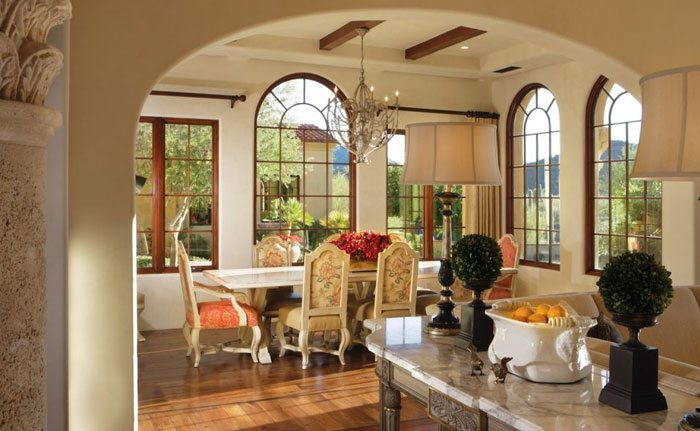
Picture this: you just moved into a new house and all of your rooms are empty. Sure, they’re soon going to be filled with your furniture and boxes, but you’re stuck on the idea of how to actually decorate. You’re aware of all of the ideas out there, like the ones on Pinterest and other decorating inspiration sites, but you don’t think that you’d be able to do a great job by yourself. If you find yourself in this situation, you may need to hire an interior designer. A designer can help you beautify your space and take the stress of creating a perfect room off of your shoulders. Along with stress relief, there are so many other benefits of hiring an interior designer. First, it’s a surprisingly great way to save some money. Since an interior designer is a qualified professional in the field, they know exactly what they’re doing and how to avoid any potential mistakes. If you were to do all of the work yourself, you could end up costing yourself more money than saving it. If you don’t know how to properly hang pictures on the wall, you may suffer from more than just bad taste! Little mistakes can end up costing you in the end, and they’re easily preventable with the help of a professional. Next, a designer has access to a wide array of resources, which is something you might not be able to get on your own. Interior designers work with different brands and companies and have built different relationships with their owners. Since they have those contacts, the interior designer might be able to help you get that living room set from France that you’ve been lusting over. Without the help of a professional, it might be really hard to get exactly what you want. Finally, hopefully, the interior designer you choose will be trained in his or her profession. The interior design industry generates $10 billion in revenues annually, just make sure your choice in a designer reflects your style. They should be open to conversation, your ideas and help you to see in your minds eye exactly what you want. A professional will lead you and excite you to make creative and innovative choices. If you just bought a new house or are moving into a new space, consider giving us a call at Janet Brooks Design. We are here to help you create the space of your dreams.
How to Design a Lighting Plan
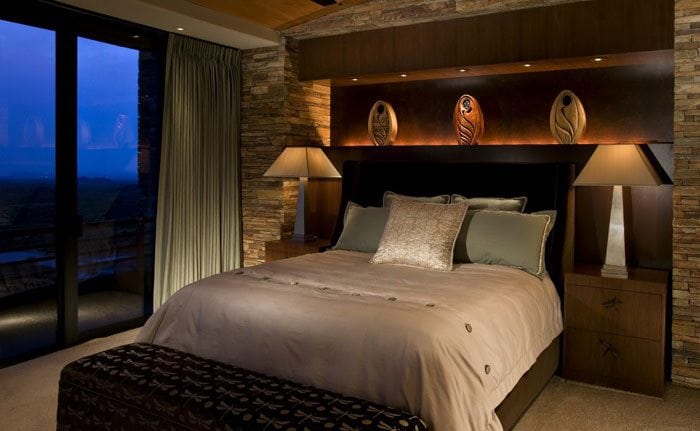
It’s the first thing we do in the morning once our feet hit the floor. We flip the light switch. Then it’s the last thing we do at night. And then we use light for just about every activity in between. Light is fundamental to our lives and most of us take it for granted. However, we primarily recognize lighting when it is either poor (hurts our eyes or we can’t see) or it is beautiful – when the glow of a warm lamp falls on a cozy couch layered with pillows or an uplight hits the angles of a piece of artwork just so. Then we sigh. We look in awe and say “Wow” beneath our breath, and we enjoy it. This leads to the point of this post. When designing your lighting plan, you have to consider both aspects of lighting, functionality and beauty. Long gone are the days where having one bright light in the center of each room was enough. You must think about lumens, color, shadows, task lighting, mood, and a host of other factors to effectively light your space. And part of that effectiveness is your budget and saving as much money as possible while still getting the effect you deserve. This means starting on the right foot with a reputable lighting supplier and partner, but also taking some time to think about your lighting needs. Here are some things you should consider when designing your lighting plan. Room Inventory What is in each room? What do you want to highlight or downplay? What are the unique shapes of the room? Where does the natural light come in during different parts of the day? What happens in each room? This brings us to task lighting. Take a few moments to consider what will happen in each section of the room. Is there a desk that will require a light for working on the computer or writing out letters? Are there areas of the kitchen counter that will need more light for chopping fruits and vegetables? What about the living room? Do you want a space that can function as a family game night room and a cozy reading area? The answers to these questions determine whether you need accent, ambient, task lighting, or a combination. Many designers now think of their lighting needs in layers. Recessed LED cans for the ceiling provide a lot of light when you want it, and can be dimmed for relaxation. Chandeliers, bar lights, sconces, floor lamps, table lamps, and small spotlights may be the “seasonings” you put in each room for personality, function, and mood. Color of Lighting Lighting color has a few different aspects. There is the color of a light, like red, green, or blue LED strip lights. Then there is the color temperature of a light which ranges from warm to cool. Think of a spectrum with UV light on one end and Infrared on the other. The color spectrum is everything in between. You have probably noticed it with things like headlights. Older lights are yellow and newer lights are bright white and even blue-toned. It’s the same with bulbs for inside. The color temperature is measured in Kelvins. 2000-3000K is warm white. It evokes an ambience that is cozy, calm, inviting, and intimate. Traditional lighting like incandescent bulbs, a favorite among designers for their golden tones, sits in this range. Next is the 3100-4500K range which is bright white. This is vibrant and cool. Finally, we have the 4660K to 6500K range which is very crisp and mimics being in direct sunlight at noon. LED light bulbs can be ordered in the full spectrum making them ideal for homeowners and designers to have a nearly unlimited selection. Take these points into consideration before any renovations or a new build. Author bio – Gilbert Cabrales has been with CS LED since its inception in 2008, first as an employee and then as a valued partner. Gilbert has vast experience in both lighting and electrical work and has a unique method for collaborating with his clients. He doesn’t stop at the sale. Instead, he works to truly connect with his clients and remains a resource throughout the lifespan of each one of their lighting projects. From design to implementation and beyond, you can count on “Gil” to deliver LED expertise and true partnership capabilities.
3 Simple Ways to Decorate a Small Space
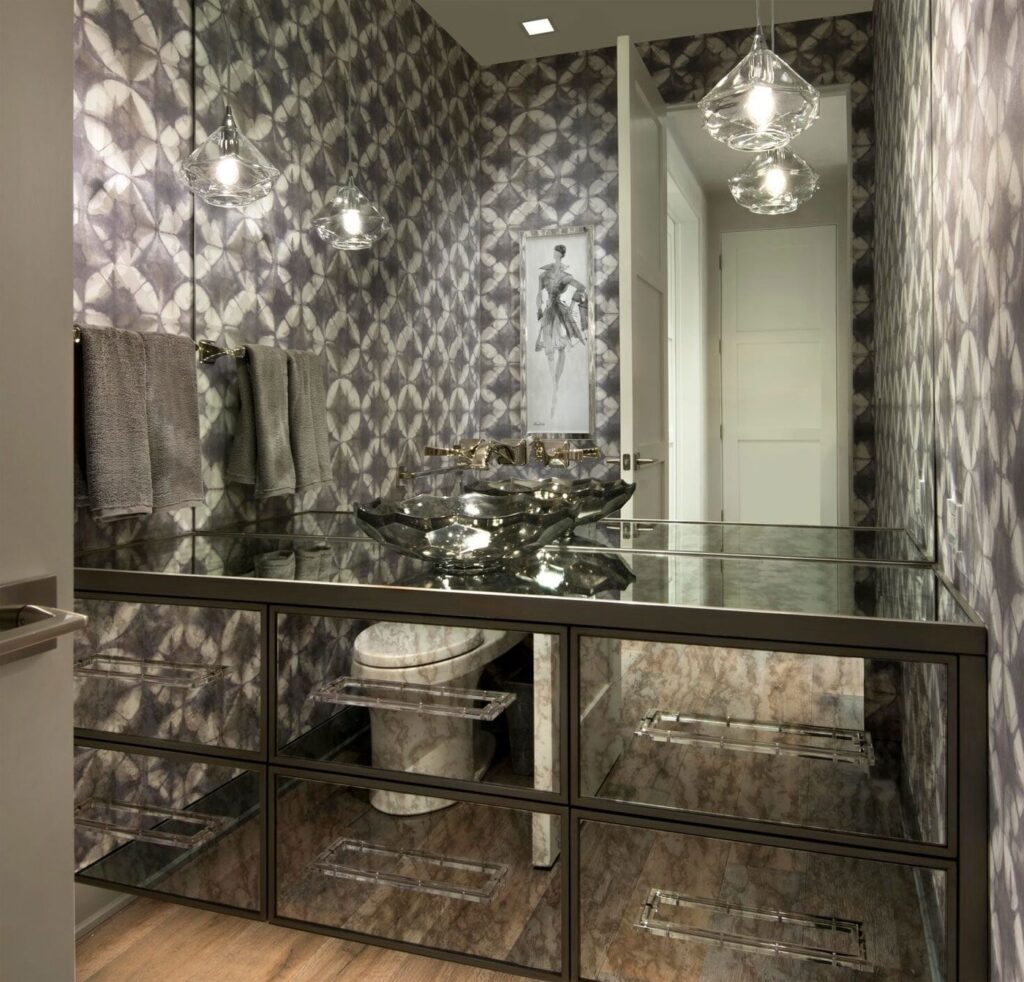
It would be a wonderful premise if each space that you lived in expressed the individual style of the person who lived there. Some personalities call for bright colors, while some people feel good in darker shades or cozy hues. What’s more, living spaces range in sizes, and while decorating a large room can possibly provide you with more creative freedom, sometimes it can be challenging in a smaller area. Below, please read more about some simple interior decorating tips for small spaces and even small apartments. Remember, there can be a statement in the small! Segment One Big Room it Into Smaller Rooms For those who live in studio apartments or smaller spaces, try transforming your single, large room into a few different rooms with the use of spectacular rich material or room separators. Give each area a specific purpose and decorate sparingly. For example, if you want to put your “bedroom” by the window, place your bed in the corner of the room and put a bench at the foot. On the other side of the bed, you may want to place a fun or elegant room divider providing you privacy. Utilize Your Unused Spaces When you have a small space, it might look like there’s nowhere to store anything. However, there might actually be more space than you think. Force yourself to look around your apartment and see what unusual spaces you have. If there is a blank wall you think you can utilize, hang some floating shelves for storage and decorative purposes. Floating shelves are perfect for storing books, movies, bags, and for holding storage bins. You can also invest in under-the-bed storage containers. They may be thin, but they can hold more than you think. Don’t Go Dark Darker rooms tend to look smaller on their own. However, if your space is already small, it’s going to look even tinier. If you were to paint your walls dark purple, it might give you the cozy-feel you’re going for, but it might also make you feel trapped. Choose a lighter color or neutral tones to open up the space. Coming up with designs for a small space may seem difficult, but it isn’t impossible. Until next time, explore and enjoy, from the experts at Janet Brooks Design Firm.