

The Need for Interior Furniture That Stands the Test of Time
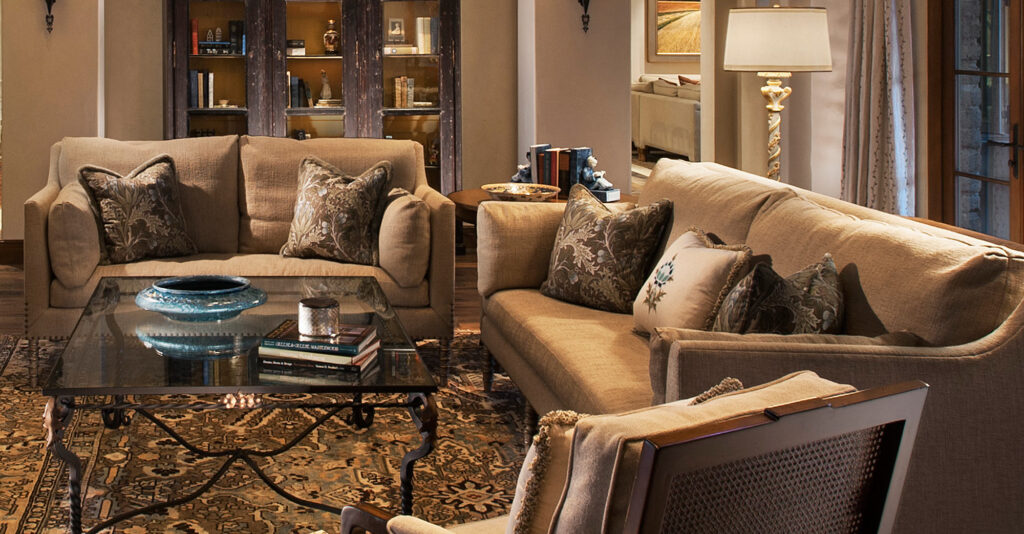
Creating an interior décor theme requires you to bring together all the items together in your house. You will want to choose the kind of furniture that complement the theme to to get the best results. Because of that, we suggest you find furniture that stands the test of time and not furniture that will require replacement too soon. When decorating your home, you have to pay close attention to seats, tables, stands, and any other item that is needed. You should know that other than your house and car, your furniture is the most expensive thing you will ever buy. Here are some tips that your furniture serves you longer. Combining Traditional and Modern Styles You can ensure that your furniture stands the test of time by combining traditional and contemporary styles to come up with something that stands the test of time. Classic furniture that looks good and fits the style of the room and decor will make it last. One of the mistakes that homeowners make is to trend their home design. When you do this, you are focusing on what is happening today, but you are oblivious of what will happen tomorrow. The risk is that trends come and go. Choosing Furniture That Fits the Space Another easy way of ensuring that your furniture stands the test of time is buying furniture that fits the room. If you do not know the right size of furniture for interior design trends, you may want to start by taking and recording the measurements. Do not look at the space and estimate the measurements because sometimes, furniture in the stores looks smaller than it is. When you have the sizes, the seller will help you to choose the right set of couches that will fit correctly. Ensuring High-Quality Products Since you are looking at long-term, interior décor solutions for your home, you should focus on buying high-quality furniture. Chairs, tables, and beds that have been made using high-quality craftsmanship will always withstand the test of time and give you value for your money. There comes a time when you are used to seeing some items in your home, and so, you will not want them to wear and tear too fast. To be sure of the best quality from residential interior designers, you may want to look at the quality of the materials that they use to make your seats or beds. Make sure that the materials are strong enough to withstand every condition that they are likely to be exposed to when in your home. In addition to that, you have to ensure that they will not lose their original form because if they do, you will not like the way they look. To sum it up, furniture is an integral part of interior home décor and should be bought with caution. The need for high-quality seats, tables, beds, and other items in your house is not something you can overlook. For the best results, go for an experienced interior designer to create the look and feel you are desiring.
4 Bedroom Interior Design Trends for the New Decade
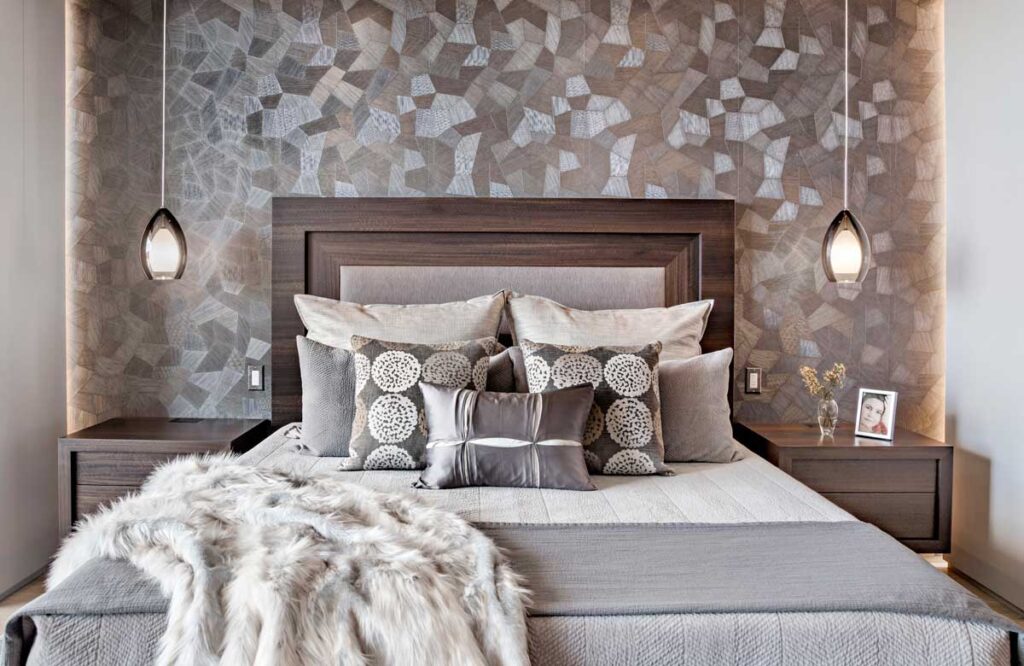
4 Bedroom Interior Design Trends for the New Decade The bedroom is probably the most important part of the home. It is where most people start and end their day. The room is also the most versatile; it is where you sleep, work, and sometimes eat and binge-watch our favorite shows. As new developments in science and technology continue to change our lifestyle, the bedroom’s interior design is set to transform. In the new decade, minimalist design meets bohemian decor. Interior designers also want to make the bedroom more functional, but with fewer distractions from devices. Monochromatic Colors The minimalist design is still trendy. The clear cut lines and crisp white adds brightness and gives life to an otherwise dull room. However, white can quickly saturate the room with light. Designers now prefer to break the monotony with monochromatic colors. Your home design can incorporate colors like gray, navy blue, cream, and even black. Using variations of a single hue, interior designers can make the space more dynamic, yet coherent. Typically, monochromatic schemes start with three different tints of the same color. The first serves as a base, the second tint will be lighter, and the last one is usually darker than the base color. In interior design, monochrome hues streamline the decor and furnishing and make the room look put together. Additionally, these simple colors make designing the room much less stressful. You can use your favorite tone, mix it up a little, and still achieve unity and harmony. Using Statement Textiles The other interior design trend set to take over in the new decade is textiles. You can bring out the full charm of your bedroom with fabrics and tonal variation. Even when decorating with monochromatic hues, there is no rule that everything should match. Using textiles and monochrome color gives you more options for decorating your home. Most designers today use fabrics with different textures: Fabric Lampshades: Many colors of vibrant lampshades can add warmth and blur the clear lines, which invoke the feeling of a cozy and moody space. Accent Walls: The use of upholstered walls creates an accent in the room and can turn it into an oasis of tranquility. Use of Natural Elements Another interior design trend is to seek inspiration from nature. It embraces imperfection by using unfinished materials. Texture and variation can be achieved with fabrics and earth tones. The bedroom may also include elements such as animal print wallpapers, or the use of weathered materials, which may include metals, raw wood, and concrete. Another variation is the farmhouse. You may also use unfinished materials but complement it with clean and light colors. The modern farmhouse design has sought a more refined look that incorporates vintage accessories or upholstery. Utilizing Innovation and Removing Devices The design process must be conscious of the bedroom as a place for relaxation. Unfortunately, devices can disrupt your sleep. The blue light from your Smartphone, TV, and other electronics, can inhibit the release of the hormone melatonin. Melatonin is responsible for drowsiness, and lack of it can cause insomnia. As a result, interior design today seeks to eliminate electronic devices from the bedroom. There are fewer outlets to reduce the temptation of lying on the bed watching TV, or using the Smartphone. Technology also has some cool innovations for the bedroom. Lighting fixtures come in different types of designs, with multiple features that make for easier living. You can connect the table lamps, desk lamps, and chandeliers, to an application that you can control while you are away. Touch-activated shelves can improve organization and efficiency. Together with other innovations, technology is proving to be more useful and less of a distraction, when it comes to organizing the bedroom. Developments in interior design, as well as science and technology, continue to transform the home. Many homeowners want a cozy room where they can return to after a hectic day. For some, their bedroom also serves as a part-time working space. You can always borrow ideas from trends and incorporate your style for a more personalized bedroom interior.
Creative Interior Design Idea that Will Change the Look of Your Home
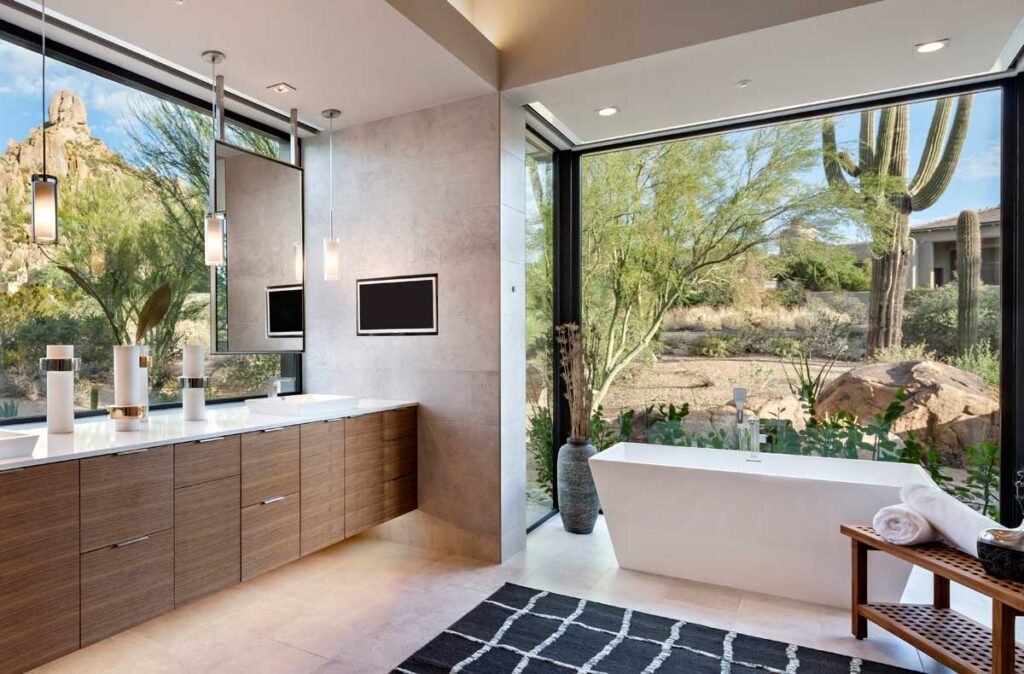
Interior design is a topic that many people love engaging in, especially when moving to a new house or during a renovation. Professional designers come up with creative ideas that should improve the look of your space. It is also a good idea to have some ideas about what you what to create. Interior design is all about making a statement. At times, small items can have a big effect on the look and feel of your space. Here are some ideas that may inspire your vision. Lighter shades Painting walls shades of white or eggshell can provide a look that can open a space up providing an illusion that the room is larger. Dark colors can make a room look smaller and in turn, cluttered once you fill your home. Tones of eggshell or lighter colors can provide a feeling of peace or add to a sense of calmness. These colors can also accentuates your decor. Let There Be Light Proper windows and treatments can allow for adequate light to enter your space. For extra light, decorative mirrors placed directly across from the windows can bring in additional brightness and provide the illusion of more space. Plant It Up Your designer can bring in accents to embellish and enhance the rest of your home design. Plants can offer a clean look as well as bringing in clean air into the house. Patio Doors Connecting indoor and outdoor living spaces is a great interior design trend. Patio doors can provide this connection. Choose a patio door that has a style that correlates with your sense of style. High-Quality Furniture Furniture is ranked the third most expensive thing one will ever buy, after a house and a car. This is because having quality furniture effortlessly improves the look of a home. Decorative Light Fixtures Decorative light fixtures usually make a statement. hanging light fixtures in your kitchen for a fantastic look. While installing decorative light fixtures, you should also upgrade your switches to give your house a modern look. Interior design is a topic that should be given attention if you want to make a statement. Contact the team at Janet Brooks Design today to get the look and feel of a one of a kind interior design.
Do You Have an Engineered Hardwood Floor? This is Why You Should Consider It
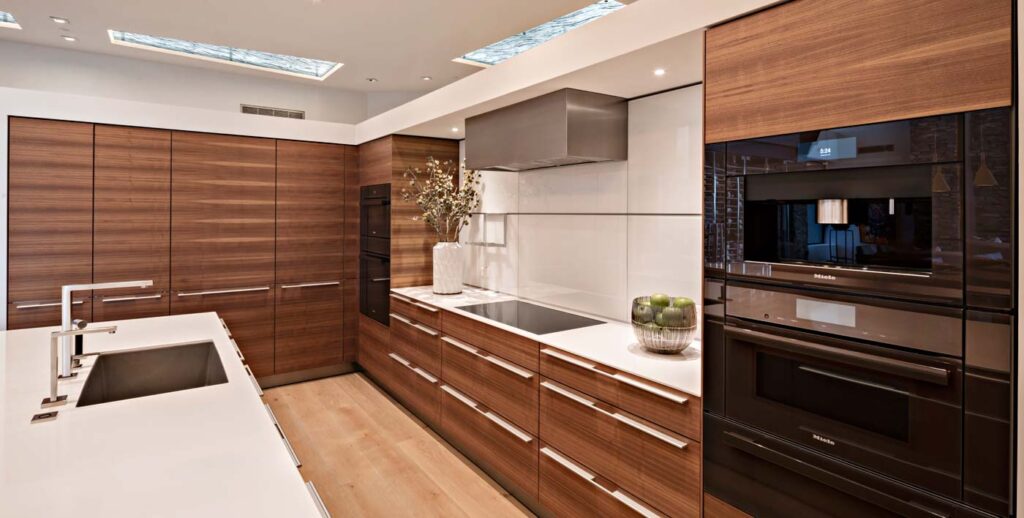
Hardwood floors add a natural and timeless element to your home while eluding warmth, elegance, and luxury. For a while, hardwood floors could only be laid in specific environments and did not wear as well due to temperature and moisture effects. However, with advancements in technology and interior design, engineered hardwood floors have found their way into the market and now gaining more and more popularity. Here are some significant reasons. 1. They are Durable. Engineered wood floors are made of layers upon layers of plywood bonded together and topped up with a layer of solid wood. This implies that engineered floors have very tough floorboards, making them able to stand up to heavy footfall and heavy objects. This is one of the reasons why an interior designer would recommend engineered hardwood floors. 2. They don’t Expand and Contract the Same as Solid Wood Floors A professional interior designer would advise you to install engineered floors primarily because of this reason. Engineered floors can be laid in environments where solid wood would risk damage. For example, you can use it in the kitchen and bathroom where temperature and moisture levels fluctuate constantly. As a result of this, some interior designers recommend using engineered wood floors if you want to put in underfloor heating. 3. They are Easy to Install Engineered wood flooring is quick to lay down. This makes it suitable for both do-it-yourself and professional installation. If you plan to work on your own home design, you can bank on engineered wood floors to be easy to work with and merges well with various interior design trends. 4. They can be Sanded Although a lot of people believe otherwise, engineered floors can be re-sanded within their lifetime. This enables you to bring a ‘dead’ floor back to life. It also allows you to get rid of surface markings and stainings. However, the number of times you can sand your engineered floor depends on the thickness of the solid wood layer on top. 5. They can be Refinished After re-sanding your engineered floor, you can refinish it to protect its surface and make it look lustrous once again. This implies that you are free to change the look of your floor every time you re-sand and refinish it. This freedom makes decorating your home more flexible. 6. They Look Just like Real Wood When engineered floors first entered the market, they were frowned upon because they distinctly looked unlike solid wood floors. They seemed to be the cheaper, less attractive option. However, with advancements in manufacturing and design, engineered floors have become more and more realistic looking, and now can’t always be told apart from real wood. This is an added advantage to the fact that they cost less than real wood while providing more stability and support over a more extended period than solid wood floors. This is another reason why an interior designer would suggest installing engineered hardwood floors. Final Words Did you know that the interior design industry makes up for at least 10 billion dollars of total annual revenues? This is because more and more Americans have realized that how their house looks is entirely in their control. Investing in an experienced interior designer could help bring up the value of your property due to their recommendations. Before you settle on an interior designer, make sure you have gone through their online portfolio and ascertained that your style and theirs are in sync. A professional interior designer should be involved at the beginning of the process educating and guiding you on current styles and design trends.
How Choosing the Right Interior Design Can Impact Your Mood and Wellness
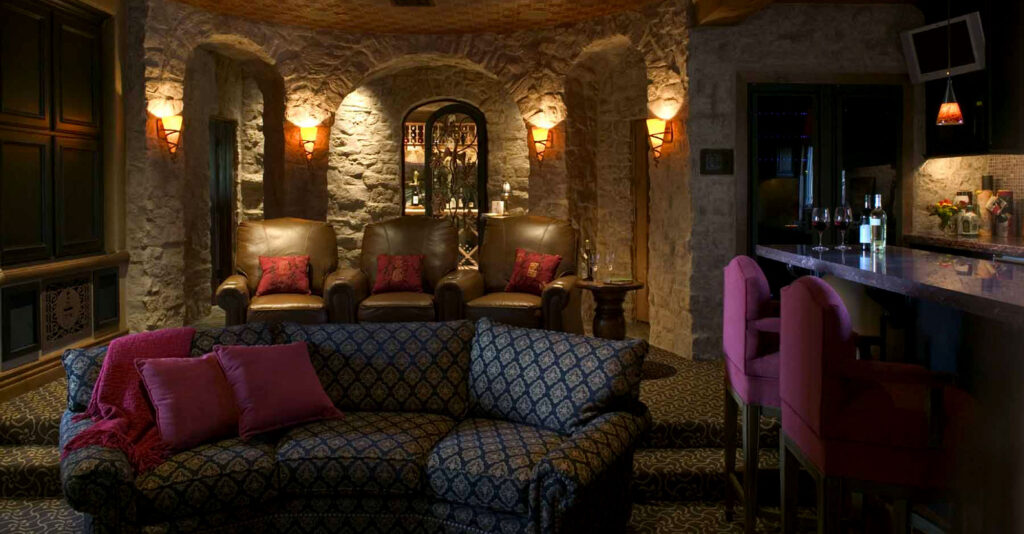
For homeowners of all kinds, the interior design of a home is important for a number of reasons. Whether you have a minimalist taste or a bolder one, decorating your home has enormous impacts on your overall health and wellness. You want to feel that you are free to be your true self in your home, and nothing reflects this more than choosing the right design features. However, it can be a challenge to make the right decisions, especially if you are not familiar with some of the more technical aspects of home design. Residential home designers are an excellent choice. Not only do they offer you insights you may have missed, but they help to translate your vision into reality. Follow our simple guide below if you’re looking to enhance your home’s interior design, but you’re just not sure how to start or where to look for the help you need. The Basics of Interior Design While there may be debate among specialists regarding what constitutes good interior design, at the end of the day it all comes down to personal taste. But even where subjectivity and personal preference rules, there are some basic principles that can help you establish a starting point for your home’s design. First and foremost, you should always consider the balance that you are creating by implementing any design feature. Residential home designers are experts at achieving a sense of balance in even the most experimental scenarios. Not only should balance be considered on a smaller scale inside each room, but it should also be considered from a wider view of the home as one unit. The use of colors and tones should never be overlooked when you’re designing your home. Color can be used to create a dramatic atmosphere or a relaxed feel. It can make a room feel large and spacious, or cramped and diminished. It creates the sense of style that makes your home easy to remember or easy to forget. While you may have some of your favorite colors in mind, it’s always a good idea to consult with residential home designers, as they may be able to point out things you’ve missed. Color has an enormous effect on your design, so you want to be sure that you get it right. How the Right Design Improves Your Mood Your home should be a place that brings out the best in you. It should feel like a place of safety, comfort, and restoration. If things are awry, then it’s quite difficult to achieve an elevated mood in your home. By customizing spaces to meet your personal tastes, you are taking steps to become the best version of yourself. Something that may seem like a minor choice to someone else could be of the utmost importance to you. Why? Because it’s your home and you’re the one who lives there day in and day out. It’s wise to ensure it enhances your life, not detracts from it. While it’s easy to observe how people of all demographics prefer a home that feels like their own, this fact is also supported by research data. Take millennial homeowners, for example. In the year 2014, millennial homeowners were just as likely to renovate their homes as other age groups. The demographic was largely driven by the desire to make a newly purchased home feel like their own. When you consider this figure, it’s easy to see that most people value the right interior design, because they realize how much it contributes to their overall sense of well being and joy. Even if you recognize the importance of the right interior design, it can be hard to achieve. This is where residential home designers make an enormous positive addition to your life. With years of experience and industry-specific knowledge, a good designer can help you bring your unique ideas to life. You begin with a set of potential ideas and a designer helps you implement them in a way that is both tasteful and sustainable.
The Biggest Interior Design Trends
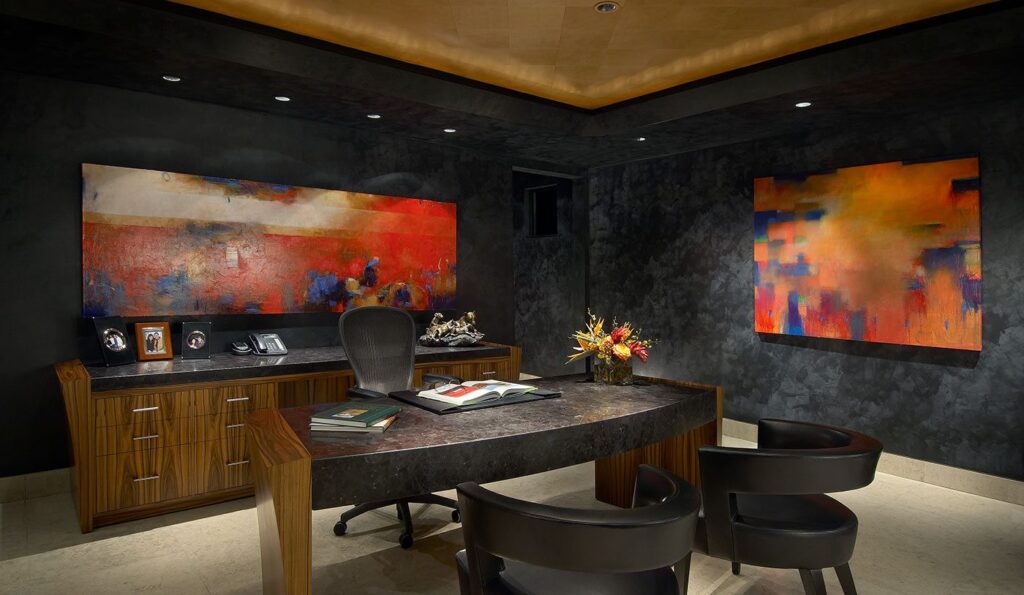
Data from Houzz survey indicates that 60% of homeowners have put plans in place to remodel their master bathroom, but interior design and decorating can include projects big and small — from renovating the bathroom to adding accents and new colors. If you’re one of the people planning to remodel or redecorate this fall, here are some of the few trends you should incorporate. 1. Multifunctional Spaces Multifunctional space is a trend in design that is geared towards designing a house for flexibility. With an increase in the use of the rooms, many people have been designing their houses to be flexible enough to accommodate diverse functions. For example, home libraries can accommodate guests when the need arises. This is done by use of movable bookshelves that can be relocated to one corner to accommodate chairs and tables. 2. Painted Ceilings For years, homeowners have not been painting their ceilings with the view that no one will bother to look up. However, with many homes today incorporating wallpapers, there is a need for painted ceilings for blending purposes. Interior designers have been advising homeowners to incorporate this trend so that they can enjoy the beauty of using wallpapers in their houses. Today, you will come across painted ceilings in homes, especially in dining areas and bedrooms. 3. Bold Colors For many years, bold colors have been used sparingly in home decoration. However, it appears that the current trends have incorporated bold colors in their entirety. Bold colors such as burnt orange, deep red, and navy blue are some of the colors that have been incorporated in home design to bring excitement into the room. If you are planning to revamp your interior this year, you can consider bold colors as a statement piece. 4. Leafy Introduction With nature taking center-stage in many aspects of society today, thousands of people have been introducing leafy vegetation in their houses. There are many leafy designs out there that you can introduce in your house. However, many home designers are opting for natural vegetation. If you are interested in adding a a special touch to your home, you may want to consider introducing artificial plants or natural plants to have a fun, outdoorsy aesthetic. 5. Minimalism Minimalism is one of the most recent interior design trends that have been introduced in the interior decoration industry. It is a design process that involves using very few pieces of furniture and other items in the house to create an illusion of a large open space. Most of the people with small houses have been using minimalism to make their friends comfortable while at the same time creating a sense of openness. 6. Sustainability Swaps With thousands of people becoming environmentally aware, there has been a drastic change in approaches to interior design. People are no longer buying plastic products for home decoration. Experienced residential home designers have been using recycled products in strategic areas of the house. Others have been swapping plastic products with sustainable home decoration products such as wooden chairs and tables. 7. Large Windows Large windows might be mistaken for architectural design, but they are part of interior design strategies. Homeowners who are concerned about the size of their houses are using large windows to create deep space and create a perception of large and spacious rooms. Besides creating spacious rooms, large windows are essential in providing natural light and cool air. These are some of the dominant interior design trends this year. If you are looking for a top interior designer to contact Janet Brooks Design for professional interior decoration services.
Step By Step Guide to Choosing a Residential Home Designer
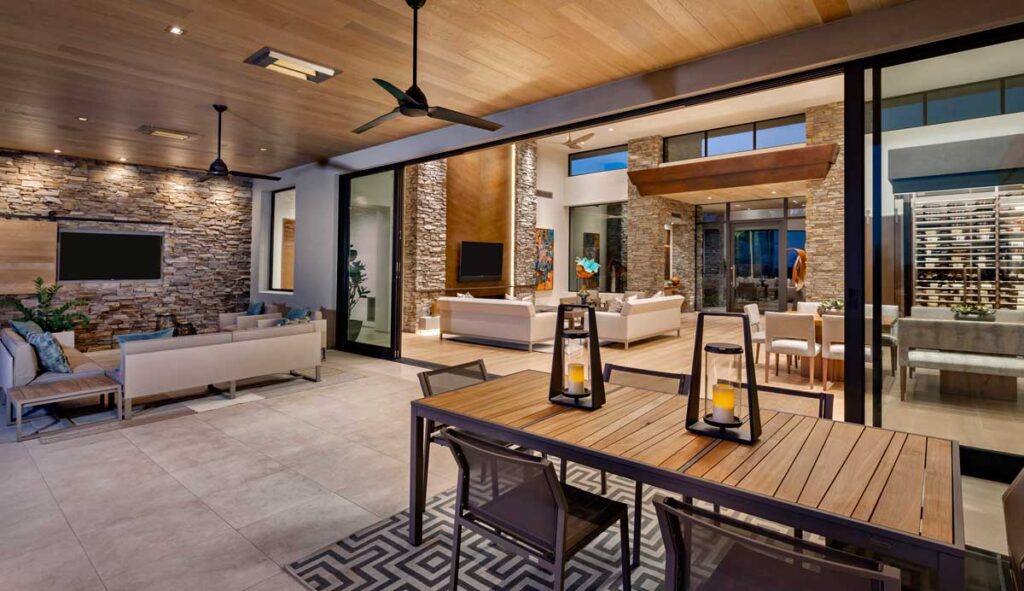
Choosing a residential home designer is an important decision. You will have to live with the results of a new design for a long time, so it’s in your best interest that the ideas you begin with end with the results you desired. Because of this, you should take your time to find the right residential designer, one that matches your taste and budget. This step by step guide will give you tips on how to handle the decision making process. What is your style?: This is the first thing you need to identify. Before you start interviewing designers, decide what you want to achieve. Make a list of what you want and what you don’t want, then view possible websites for designers that match your style. Then gather your ideas and save it for your design consultation. Look at portfolios: This is basic, but you will be surprised that people are willing to take a designer’s word for it without seeing a portfolio. No matter how convincing an interior designer is, insist on seeing their previous work. Portfolios will help you identify designers who match your style. Once you see their work, imagine living in the spaces they have created and determine if this is a space you like. Meet the designer: Once you have a few names on your list, it’s time to arrange a face to face meeting. Take your design idea with you as it will give the residential home designer a clue of what you are looking for. Also, write down your questions. Some people leave a meeting and remember something vital they should have asked. Having a list of questions will ensure you get what you need answered. Ask for references: Top notch designers who are confident in their work will gladly give you references to people they have worked with before. Visit the spaces they created (if the reference is ok with it) and see first-hand the kind of work you can expect. If you are confident in the designer’s skill, then hire them! Be sure to ask the reference of any challenges they encountered during the project and how they were handled. Ask about the design process: Every interior decorator has a unique way of doing things. Ask the designer what their design process will look like. This will help you gauge whether your timing and the designer’s timing will match. Have an open mind: It is difficult to meet the perfect residential home designer, but it is not impossible. Keep an open mind and entertain what the designer is expressing. Choosing a residential home designer can be challenging. Studies have shown that a happy home is where you feel secure (69%), a place of relaxation (64%) and a place where you feel comfortable to be who you are (57%). Give the design team at Janet Brooks Design a call today.
Out Of Interior Design Ideas? Check Out These Popular Trends For Summer 2019
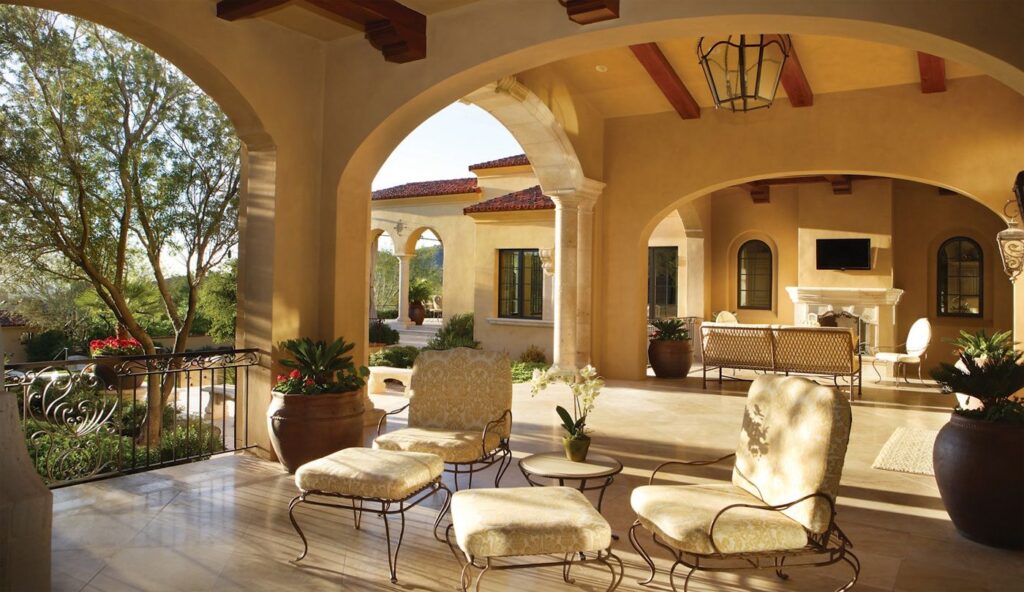
Interior decorating is not a simple task. From the paint color to the furniture and accent pieces, all the elements of a room (or a home) should blend and enhance the design seamlessly. Many people fight and struggle to make their ideas come to life, and end up frustrated and defeated simply because they lack the knowledge and experience interior design requires to be successful. If you’re sick of pulling your hair out — or are just out of ideas — please take a look at our list of popular summer 2019 interior design trends. Recycled Kitchen: More and more people are paying attention to the impact their behavior has on the environment. Many stores have begun offering green options to keep up with this trend; by purchasing appliances and cabinetry that are made from recycled materials, you can reduce your carbon footprint and still enjoy the beauty of a new kitchen. Natural Textures: Natural textures are inherently cozy. The tactile experience is based around a slow living aesthetic; by emphasizing natural materials through textured throws and cushions, your home will adopt a truly comfortable and elegant feel. Mix and Match: If you’re not a fan of minimalism, focus on patterns. Don’t just pick one; by blending different designs in the same color palette, you can keep everything balanced visually without it being too plain or boring. Make It Cool: Utilizing warm colors will provide a look of elegance and warmth. Simple pops of color used throughout the design will bring life and a feel of relaxation and comfort to your decor. From your furniture to your carpets, using warm colors always adds a feel of sophistication. Mid-Century Modern: The key ingredients to mid-century design is simplicity. Incorporate sleek lines (such as tapered table legs) and other minimalist options to keep your home cool and collected. The interior design industry generates around $10 billion every year. With so many choices and decisions to make, it’s often easier to rely on the expertise of a professional. Janet Brooks Design team, your interior designers in Phoenix are uniquely equipped to help you bring your summer decor concepts into reality; rather than waste time, effort, and money through trial and error, contact one of our dream team members today.
Unsure Which Paint Color Is Best For That Room? These 3 Tips Will Help You Figure It Out
Interior decorating is not an easy job — there’s a reason we often turn to residential home designers to take the reigns and make the big decisions. If you’re currently in the midst of decorating your home, you may be facing one of the most important choices in the design process: paint color. In order to help you make sense of the task before you, we’ve put together a few tips that should ease the process. Think About Your Mood The color of a room’s walls will dictate a lot about the mood that room inspires; as a result, it’s crucial that you consider mood before anything else. Soft, cool colors and neutrals often create a quieter color, while strong, bold colors are used for drama. Since brighter colors are stimulating, you’ll want to avoid them in the bedroom; sometimes, they can even lead to unrest and irritability! Dip your toe into color psychology and go from there. Pay Attention to Lighting Paint stores have light boxes for you to test paint chips in. Natural daylight shows the truest color; incandescent lighting brings out warmer tones and yellows; fluorescent light casts a sharper, blue tone. In short, a strong color on the walls of a room with a large window may appear too bright and overpowering but may be the best choice for an accent wall that only receives indirect light. Play around with your options and — most importantly — don’t rush. Test It Out The very worst thing you can do is hastily paint your entire room and then realize belatedly that the color just isn’t right. If you take your time, you can actually bolster your confidence in your final choice; test colors on poster board or even areas of the actual wall. Worst case scenario, you find out that it doesn’t look how you imagined and you only have one small spot to cover up. Whether you’re remodeling a single room or the entire house (35% of remodeling jobs involve the whole home), the color of your walls is extremely important. If you still can’t make heads or tails of the experience, seek out a professional; residential home designers possess the knowledge and skill to give you exactly what you’re picturing — even if you can’t see it yet.
Throwing a Curve (Modern Luxury Magazine)
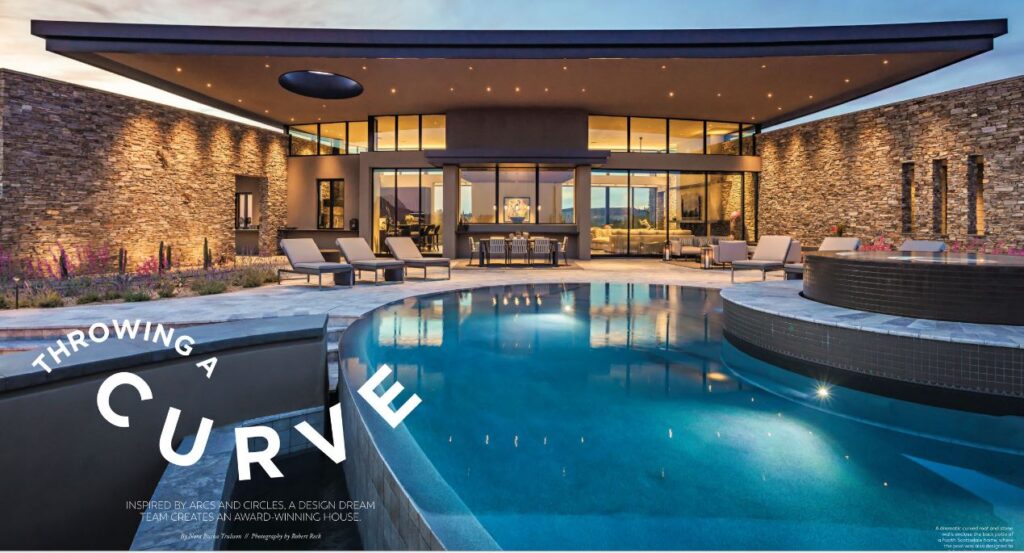
Inspired by Arcs and Circles, a Design Dream Team Creates an Award-Winning House The 7,500 square foot house sits on a knoll in North Scottsdale, its elevation marked by two arcing stone-clad walls that seem to reach out to the desert. The home’s sculptural form is capped by a curving roof that floats on glass walls, creating the effect of a welcoming pavilion. The residence, which crowns 5 acres, has won two major design awards, one from the Arizona Masonry Guild and a first place for its interior from the ASID Arizona North Chapter. It took astute owners a dedicated team of design professionals and many months of detailed planning to create this Zen-like winter getaway. The homeowners, a Seattle couple, wanted a house with a desert view that could accommodate the art and artifacts they collect during their frequent international travels, as well as lengthy visits form family and friends from around the globe. The couple put together a team that included architect Erik Peterson, builder Anthony Salicio, interior designer Janet Brooks and landscape designer Jeff Berghoff. View Entire Article