

What You Need to Know Before Hiring an Interior Decorator
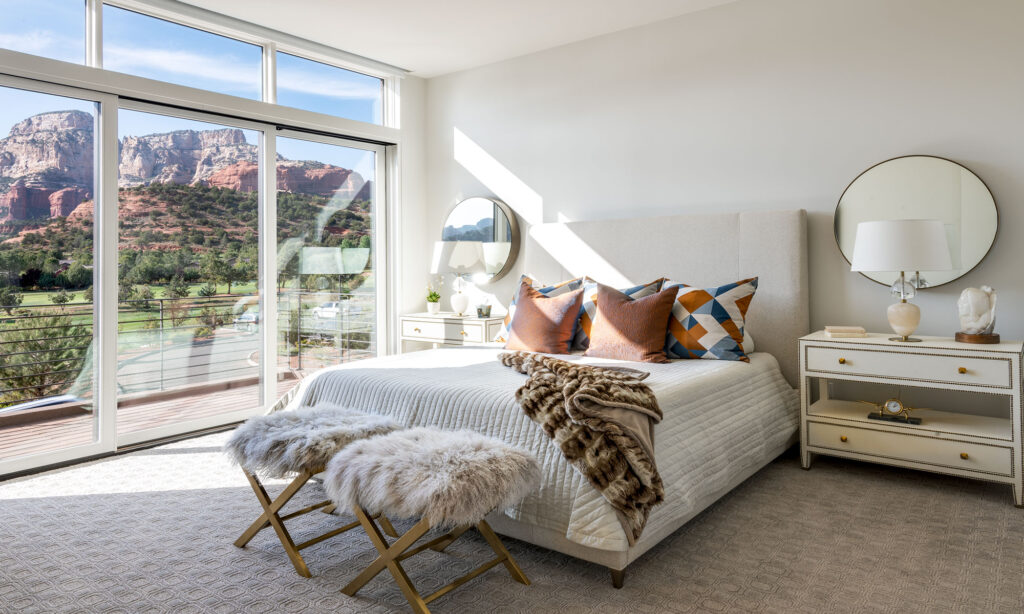
Hiring an interior decorator can transform your home into a stylish and functional space. However, taking on the task of redecorating an entire home by yourself can be overwhelming. Here are essential tips to consider before hiring a professional interior decorator. Evaluate Your Budget Before embarking on any design project, it’s crucial to understand your financial limits. Setting a realistic budget and goals will help you bring your vision to life without unexpected expenses. Start by getting a professional estimate of the total cost. If your budget is tight, consider working with a decorator in stages rather than compromising on quality. Investing in quality furniture should be a priority, as it’s one of the most significant expenses in home decor, second only to buying a house or a car. By establishing a solid budget, you ensure that you can afford durable and stylish pieces that will last. Determine the Scope of the Project Clarifying the scope of your project is essential. Are you decorating a single room, refreshing an existing space, or redesigning your entire home from scratch? The complexity of your project will influence its duration and cost. Defining your goals will provide your decorating team with a clear understanding of the project timeline. Be prepared for potential delays, such as shipping issues. Careful planning will help you choose the right time to start your project and keep it on track. When to Hire an Interior Designer Interior design projects require time and careful planning. It’s advisable to hire an interior designer several months before your desired completion date. Early engagement allows the designer to fully understand your vision and make thoughtful suggestions. A professional designer can help you maintain your schedule and budget. Design projects often involve multiple rounds of discussions and revisions, so having a designer on board from the start can streamline the process and ensure better results. Plan for Success Proper planning is crucial for the success of your interior decorating project. This includes setting clear goals, understanding your budget, and communicating effectively with your designer. Early planning helps prevent mishaps and keeps the project moving smoothly from start to finish. If you have a design project in mind, don’t hesitate to contact our team at Janet Brooks Design. We’re here to help you create the home of your dreams! By following these tips, you can ensure a smooth and successful collaboration with your interior decorator, resulting in a beautifully designed home that reflects your style and meets your needs.
Home Design Trends You Don’t Want to Miss Out On
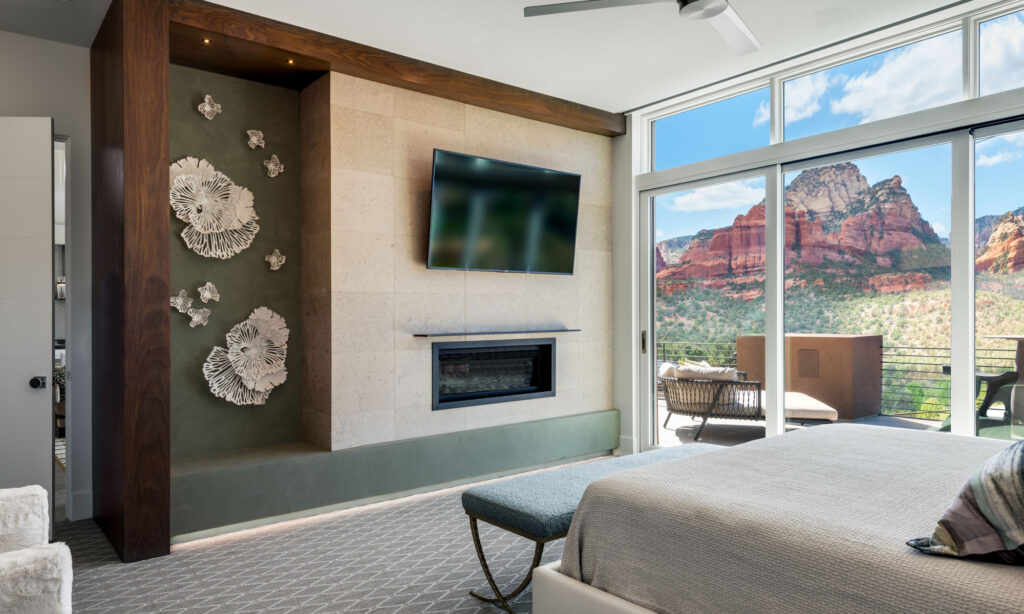
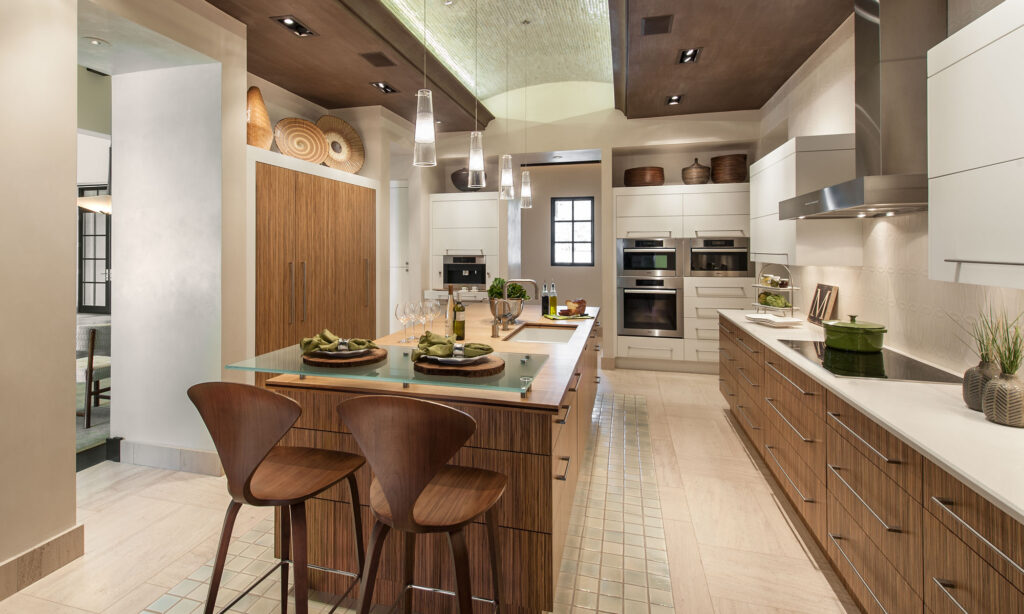
Transform your living space with the latest home design trends. According to the National Association of Home Builders, 50% of homes in the United States were built before 1980, meaning many are due for an update. Here are some of the hottest design trends to modernize your home and elevate its aesthetic. Bold Wallpaper Gone are the days when wallpaper was considered a relic of the 70s. Bold, colorful wallpaper has made a stylish comeback, adding excitement and personality to any room. Consider using wallpaper in dining rooms, living areas, and powder rooms. For smaller spaces, applying wallpaper to just one wall can create a stunning focal point without overwhelming the room. Natural Kitchen Materials Updating your kitchen not only enhances your living experience but also boosts your property value. One of the most popular trends is incorporating natural materials. Unstained wood cabinets, butcher block countertops, and island surfaces bring warmth and authenticity to the kitchen. Stone, tile, granite, and quartzite are also trendy options, offering both beauty and durability. Your designer can guide you in selecting the perfect materials to achieve a timeless, natural look. Rounded Edges and Curves Curves are making a significant impact in interior design, offering a softer and more inviting feel. From curved furniture to rounded accent pieces and cove-lit ceilings, these elements add a contemporary yet cozy touch to any space. Curves help prevent minimalist and modern homes from feeling too sterile, creating a welcoming atmosphere without clutter. Introducing rounded edges breaks up straight lines, adding visual interest and a sense of harmony to your home. Ready to integrate these trends into your home? Janet Brooks Design is here to help you update your space with the latest design innovations. Contact us today to schedule a consultation and begin transforming your home with these exciting trends. We look forward to working with you!
How to Choose the Best Interior Designer
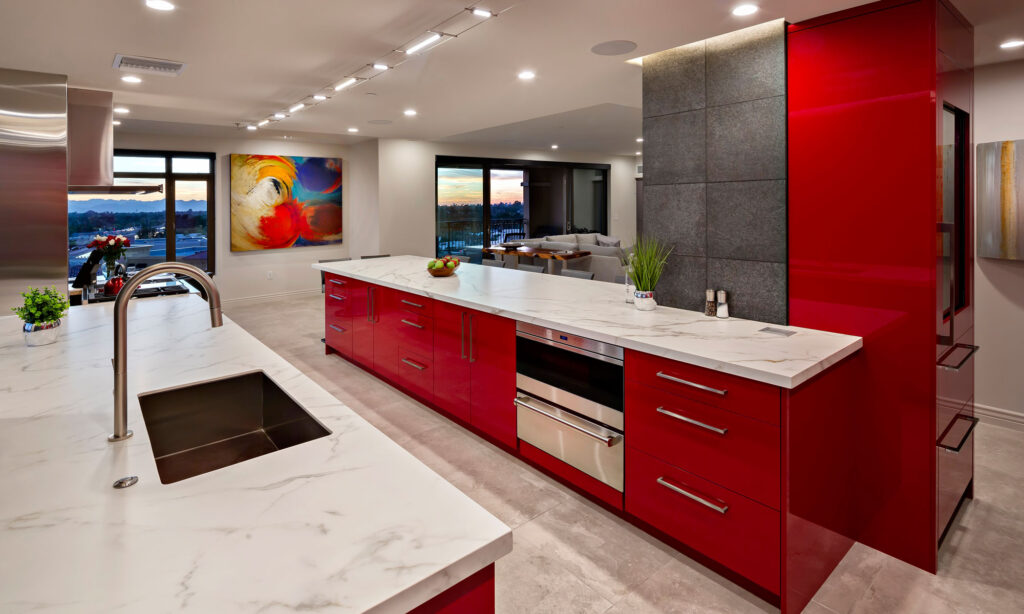
Choose the Best Interior Designer Great interior designers save you time, effort, and a lot of stress. There are several qualities interior designers should possess to ensure they can deliver what you want. According to Remodel, about 22% of homeowners spend between $5,000-$15,000 on home remodel projects. Good interior designers can increase the value of any home remodel. Look for these qualities to choose the best interior designer for your project. No matter how developed a designer’s eye and style are, if they don’t have industry knowledge about materials and what is and isn’t possible, they cannot achieve their goals. A well-heeled industry professional will not only have a fantastic sense of style, but they will also have in-depth technical knowledge about materials. The best interior designers have a combination of formal education and hands-on experience. They work well with contractors and have at least a basic knowledge of the working parts, from electrical to interior design. An interior designer should come with a network of resources for everything from lighting to flooring and art. They are well-connected to various suppliers in the industry. A network is an important quality because it is how the designer finds unique pieces for your home at a great price point. This quality is typically developed through experience. A strong network of suppliers also points to a good reputation in the industry. You must choose an interior designer that works toward your vision. The right interior designer is a good listener who asks plenty of questions to get to know you better. A designer that puts their client’s vision above their own taste is a must. They should ask questions about your lifestyle and vision for the space. They should check in with you frequently to ensure they gather all the information they can. Interior designers bring a lot to the table. Choosing the right designer is essential to the results of your project. Take the time to research and look for the qualities mentioned here to find a designer you can partner with to elevate your home’s style. To get connected with one of our interior designers, contact Janet Brooks Design today.
Do’s and Don’ts for a Home Renovation
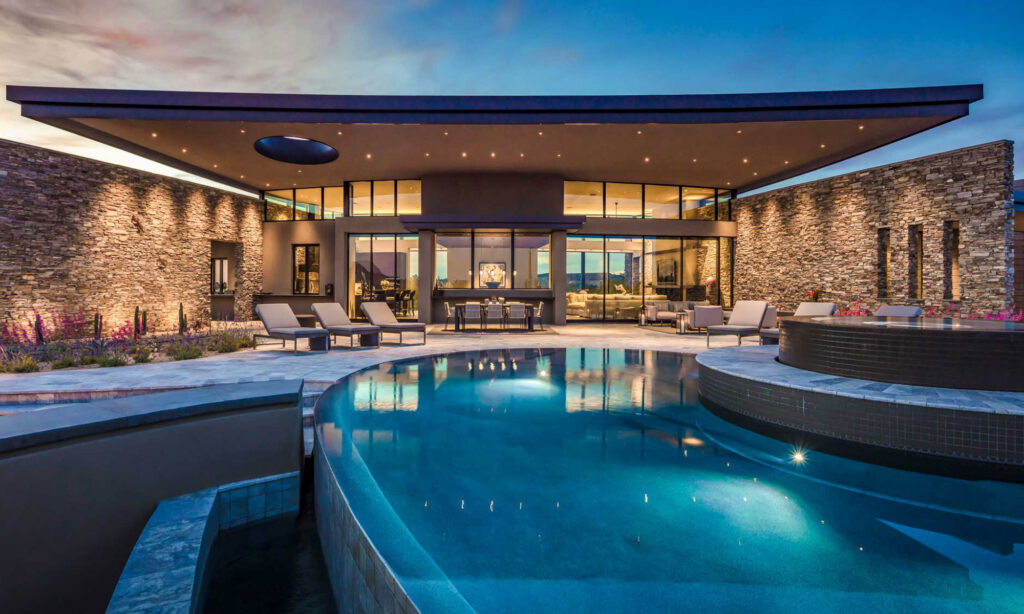
As an experienced interior designer, I understand that any home renovation can be a significant undertaking. There’s a multitude of factors to consider, from budget and timeline to design and execution. Once you begin, it can be easy to find yourself needing to change course. That’s why it’s crucial to do your research and plan meticulously before starting any home renovations. Let me share some essential do’s and don’ts to help you avoid common pitfalls and ensure your home improvement project is a success. Whether you’re planning a small kitchen update or a complete home makeover, read on for some expert advice. Do’s First, do carry out your own research. This is perhaps the most important step in planning any home renovation. Spend time browsing through home design magazines and websites, and visit local model homes or open houses. This will help you get a clear idea of what you like and dislike, enabling you to narrow down your options effectively. Next, do set a budget. Once you have a good idea of what you want to achieve, it’s essential to think about the financial aspect. Establish a realistic budget for your project, and be sure to include a cushion for unexpected costs. This preparation will help you stay on track and avoid any unpleasant surprises. Do hire a professional. Unless you’re an experienced home design contractor, it’s always best to enlist the help of a professional for major renovations. A skilled contractor can help you stay on budget and on schedule, and they’ll have the expertise to manage any unforeseen challenges that arise. Don’ts On the flip side, don’t bite off more than you can chew. It’s easy to get carried away with grand plans, but before you start tearing down walls or gutting your kitchen, realistically assess what you can handle. If you’re unsure, it’s always best to start small and gradually take on bigger projects. Don’t overlook the details. As the saying goes, the devil is in the details. When planning any home renovation, be sure to consider all the little things that will make a big difference in the end. Elements such as paint colors, hardware, and lighting can all have a major impact on the final result. Finally, don’t forget to factor in your comfort level. If you’re uncomfortable with making big changes, start small and work your way up. If you’re really unsure where to start, consider hiring a professional designer to help you get the ball rolling. Did you know that 35% of remodeling jobs involve whole home renovations? That’s a significant number of homeowners making substantial changes to their homes. However, as we’ve seen, not all home renovations are created equal. By following the do’s and don’ts I’ve outlined, you can avoid common pitfalls and make the most of your home improvement project. If you’re ready to embark on your next renovation, call the team at Janet Brooks Design today. We’d be happy to help you plan and execute your dream home renovation.
5 Reasons You Should Choose Engineered Hardwood for Your Home
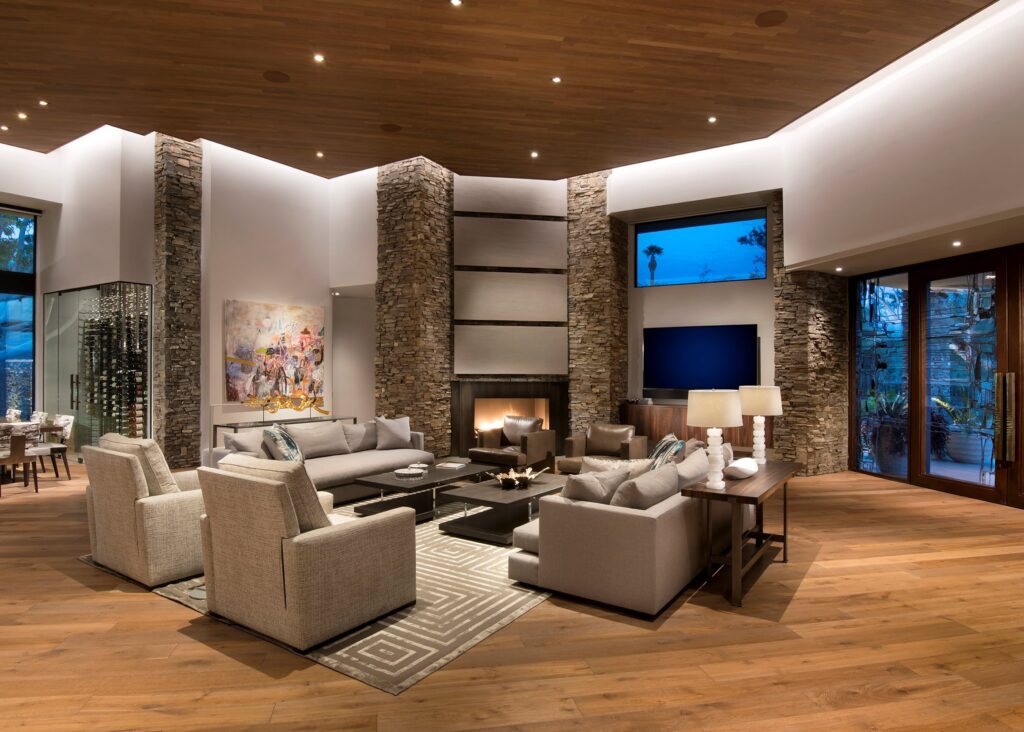
You’ve seen them in magazines, on TV, and in the homes you visit. Beautiful engineered hardwood floors that are so stunning they take your breath away. They have a natural beauty to them that no other flooring can match. And when cared for properly, they last for generations without getting damaged or worn down at all. So why is it so difficult to find good-quality wood floors? Engineered hardwood has been the choice of professionals for years because it offers all the benefits of traditional hardwoods with an added bonus – performance! Engineered wood floors are lighter than solid wood, making installation easier and faster while also less expensive overall. Engineered wood is also more stable and far less prone to expansion and contraction, which means fewer problems with squeaks and noise. Keep reading for five reasons you should choose engineered hardwood for your home. 1. They Can Stand Up to Heavy Traffic Engineered flooring can handle just about anything you throw at it while still looking beautiful and stylish. Just imagine all the activity your floors can handle with this durable, high-performance flooring option. 2. They Look Great While Lasting Longer If your home is filled to the brim with kids and pets who love to roughhouse on the floors, then engineered hardwood might be just what you need. These floors are much less likely to get scratched, dented, or worn down than traditional hardwood. That means you can look forward to your new floors lasting for many long years without looking dull and dead. 3. They Are Less Expensive Than Traditional Hardwoods One of the most significant reasons more homeowners are choosing engineered wood flooring is because it’s cost-effective. Not only is it more durable, but engineered flooring is significantly lighter than traditional hardwood, which means it can be installed faster and for less money. 4. Engineered Hardwood Floors Are Environmentally Friendly Using less wood and by-products from trees during the manufacturing process means more of the forests we all love so much will be saved for future generations to enjoy instead of disappearing. 5. Engineered Hardwood Floors are Easy To Clean and Maintain A bonus to engineered wood floors is that they are easy to clean and maintain. You can sweep, vacuum, or lightly dust mop your new flooring with regular household cleaners. If something gets spilled on them, you don’t have to panic because spills won’t damage the floor unless it is left to sit for long. According to the decorating website, Houzz, you should leave 12-18″ of floor space on all four sides of the rug. This allows your new flooring to breathe and stay clean. Contact the design professionals at Janet Brooks Design for more information on engineered hardwood floors for your home.
How to Incorporate Indoor-Outdoor Living in Your Home Design
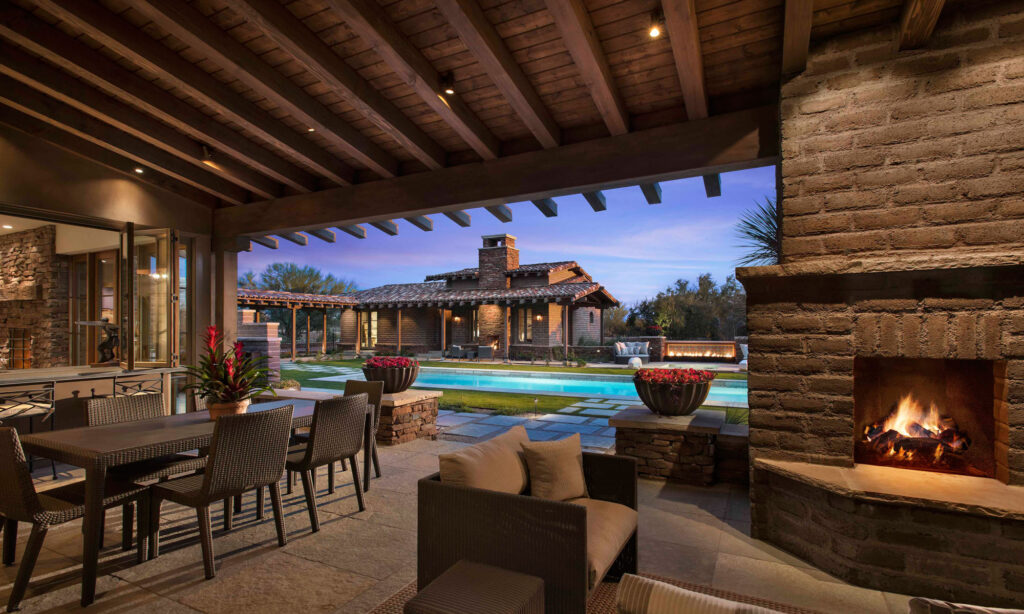
Indoor-outdoor home design is gaining popularity quickly and it is something that many homeowners are considering when remodeling their homes. If you are interested in incorporating indoor-outdoor living into your home design, here are some tips to keep in mind. 1. Utilize the Same Flooring Nearly 35% of all remodeling jobs involve the whole home, and this extends to indoor-outdoor designs. To make the design cohesive, you will need to focus on bringing together both the indoor and outdoor spaces. Using the same flooring inside and out is one way to do this, and it can create a layout that draws the eye outdoors due to the seamless stretch of flooring. Having a flush threshold between the indoors and outdoors is also key for this, as you want the transition to be as smooth as possible. 2. Add an Outdoor Canopy A roof that extends over your patio can help allow you to keep your indoor and outdoor living spaces connected, even during periods of inclement weather. This can be especially important if you live in a very rainy area, and it can help protect your outdoor furniture from rain and sun damage. If a permanent canopy isn’t for you, retractable options can be something to consider. Some even come with weather sensors that will automatically retract them if the winds are too high, which could damage them if left open. 3. Remove Barriers Another key facet of indoor-outdoor home design is openness, and this can be difficult to convey with walls. Large sliding doors are much more conducive, and they can keep you connected with your outdoor space even when closed. Additionally, bi-fold doors have been gaining popularity, and they are both functional and highly stylish when it comes to an indoor-outdoor design. 4. Design the Space as a Whole For an indoor-outdoor home design to work, you’ll want to consider the entire space as a single area. This means you don’t want to remodel your interior and then consider how to fit in your outdoor space. They should both be designed together so that the materials and finishes are as cohesive and seamless as possible. Indoor-outdoor home design is gaining in popularity and it’s easy to see why. If you are interested in incorporating this into your home, keep these four tips in mind when planning out your perfect living space and call teh interior design experts at https://janetbrooksdesign.com/
How to Renovate Your House Into a Home
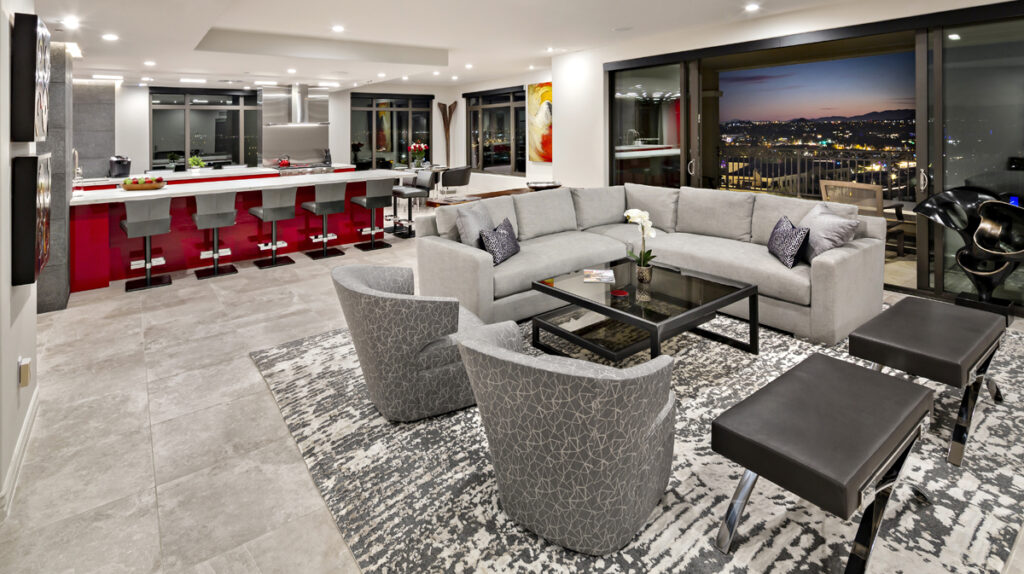
There’s an art to renovating your house, so it transforms into a home. Some grandmothers were good at this – the homes they built were always inviting, the hearth always warm, and the delicious smell of freshly-cooked bread was ever-present. But, you’ll be surprised at how the current generation consists of natural-born interior designers too. According to a 2014 report, millennial homeowners were just as invested in renovating their houses as other age groups because they wanted to cement their stamp of ownership. Whatever age group you belong to, here are some renovation tips that will turn your house into a cozy home. Choose a Style Whether you’re going with a traditional or modern look, it’s important to figure out which style best describes the look you’re going for. There are so many to choose from and have fun with, including minimalist, industrial, french country, shabby chic, and rustic. Do your research to find out which interior design elements can help you best define this style, and go with that. Choose a Color Palette It’s much easier if you pick a color palette for each room, then have an overall color theme that encompasses the entire home. These days it’s no longer necessary to ensure that all the colors in your home match. You can still create a cohesive style as long as the colors vibe well together. Layer Different Textures Layering various textures throughout your home helps to give your home a cozy charm. You can still do this without branching too far from your choices of material and furniture. For instance, a great way to layer textures in interior design is by using contrasting fabrics, whether it’s fabric from your curtains, sofa, or lampshades. Opting for an accent wall can also add the same feel as a different texture, even if you just paint it a different color than the other three walls. Use Rugs and Furniture to Define Spaces You can place rugs at strategic points to ensure all spaces are clearly defined. That means having a living room rug, an entryway rug, and so on. You can also create this effect by using different furniture pieces throughout the home. This keeps the interior design flowing. Use Interior Design Elements You Truly Love At the end of the day, it’s important to only use interior design elements that you adore. Your home should reflect your personality and preferred style. Don’t add items you don’t like just because they look nice. For instance, when choosing a color palette, make sure you have your favorite color in the house. Are you ready to turn your house into a home? With the tips above, you’re off to a great start. Call our design professionals to help you tie in your thoughts with a look you will love.
How Decorating Can Affect Your Mood
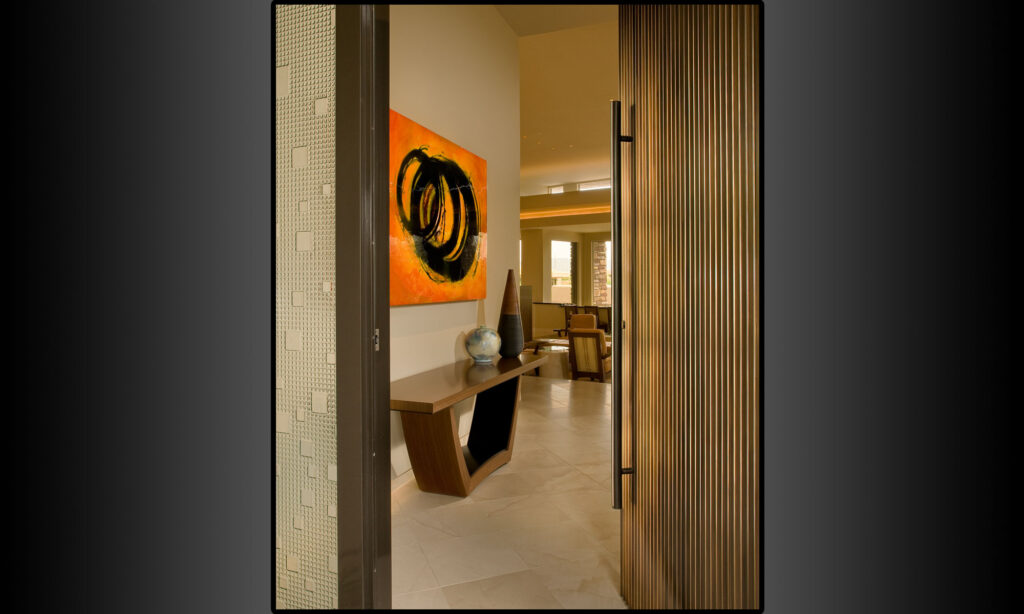
There’s no doubt you chose your home’s interior designer for a specific reason. Perhaps you wanted to achieve a specific look, style, or wanted to boost the aesthetic appeal of your environment. But, did you know that decorating not only affects the way your home looks but also affects how you feel? If you want to ensure your home’s interior design is also great for your mood, here’s what you need to know about choosing the right decorative elements. Start By Choosing The Right Colors You’ll be surprised how the colors you choose for your environment can affect your mood. However, certain colors have long been associated with specific emotions. Take, for instance, the color red. Red has strong vibes that symbolize power and passion. It can add the feeling of urgency and may warm up the environment. Though some shades of red can be overwhelming, the following colors also symbolize different energy or emotions: Yellow – This is the color of sunshine, and it typically represents happiness and creativity. Green – Commonly associated with nature and can be soothing and calming. Purple – A rich color that symbolizes luxury, opulence, and sophistication. Blue – A favorite for many people. Blue calms and refreshes. Brown – This is the color of the earth, and it has a relaxing effect. Black – This color is quick to catch the eye, and it represents power. White – White is the color of cleanliness and purity. Grey – Grey imparts serenity and helps you relax. Orange – Orange is a vibrant color that imparts energy and innovation. Like red, it can also be overwhelming if concentrated. As you can see, there is so much you can do with color when coming up with your home’s interior designer design. For instance, you can use red and orange as accents to create more energy in your home. You can also use purple in your master bedroom to make it seem elegant and sophisticated. Or, you can add a mix of other colors to a white-themed design to avoid it seeming too sterile. Be Conscious of The Design Accessories You Choose Accessorizing your home can also affect your mood. For instance, something as simple as the furnishings, lighting, and other decorative elements can influence your moods. Behind every design element you choose should be something that makes you feel welcome and happy. Studies show that most people define a happy home as a place that offers security (69%), relaxation (64%), and the freedom to be yourself (57%). Now that you know all this, remember to take it into account when conceptualizing your home’s interior designer design and call the experts at Janet Brooks Design today.
5 Questions to Ask When Hiring an Interior Designer
Watch what will happen in interior design in 2021!
Why Statement Light Fixtures are a Trend That’s Here To Stay
Watch what will happen in interior design in 2021!